This post may contain affiliate links. I only recommend products I use and love. Read the full disclosure here
Updated on: June 15, 2026
Originally published on: December 29, 2025
Remote teams are not just people on laptops in spare bedrooms. Many industries still rely on crews who live and work in isolated places, with long shifts and limited local services. Remote workforce catering becomes essential in these environments, where reliable meals support daily operations, recovery between shifts, and the basic human needs that keep remote sites running smoothly.

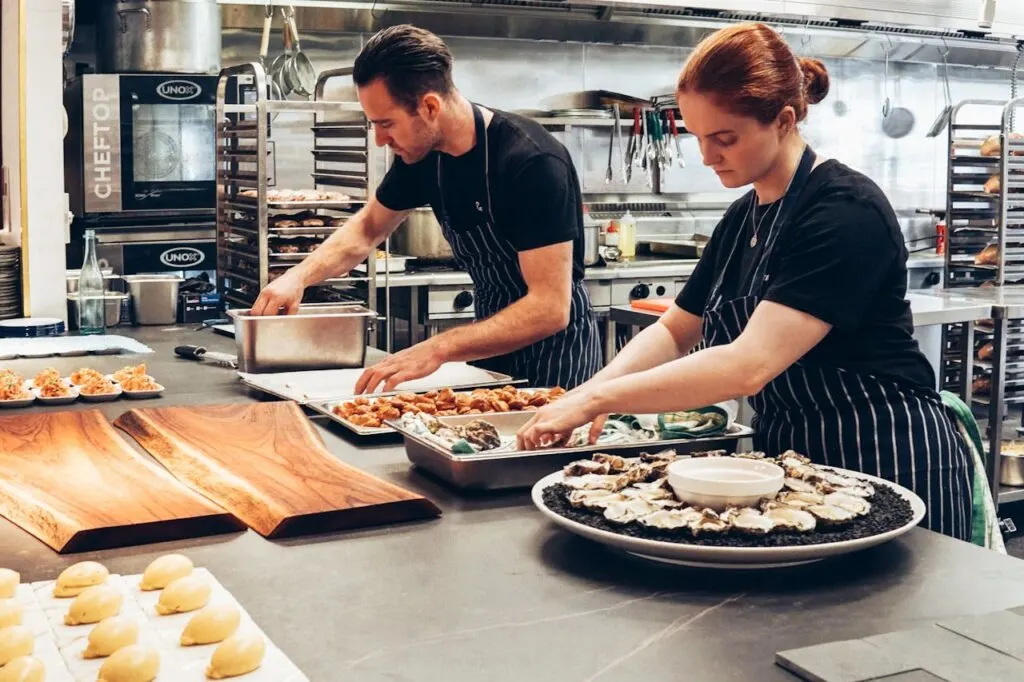
On-site catering for remote workforces is about reliability more than variety. It is the daily rhythm that helps people recover between shifts, stay focused, and feel like the site is built for humans.
Start With The Real Definition Of “Remote”
Remote can mean a worker who never visits headquarters, but it also means a worker who is far from any town, clinic, or grocery store. In those environments, meals are not an easy add-on because there is nowhere to “grab something” if the plan breaks.
That is why catering decisions have to be tied to how the site actually functions. Shift start times, travel windows, weather delays, and crew changeovers all affect when people can eat and how long they have.
When you define remote this way, you stop asking “What menu do we want?” and start asking “What food system can survive a bad day?” That question leads to different staffing, storage, and contingency choices.
Build A Food Program That Matches The Shift Pattern
A remote site can run 1 shift, 2 shifts, or rotating schedules that blur day and night. If food is only optimized for the 7 a.m. crowd, the 7 p.m. crowd gets the leftovers, and morale drops fast.
Meal timing is a safety issue. People who miss meals will improvise with snacks, energy drinks, or nothing at all, and that can show up in attention, patience, and incident rates.
Plan around how the day actually moves. That includes early breakfasts, packable options, and late-night service that does not feel like an afterthought.
Staff For Consistency, Not Heroics
Remote sites run on routines, and catering has to match them. Map meal windows to shift changeovers, transport times, and weather delays. When timing fits the site, crews eat well, reset, and stay ready.
Planning improves when operations and food teams share one playbook from day 1. As we can see when we click here, aligning staffing, equipment, and service flow cuts surprises during changeovers. It clarifies what stays on-site versus what comes in from suppliers.
Add contingencies so one late truck does not derail the week. Keep backup menus, minimum stock levels, and escalation steps for issues. Consistency beats novelty when people rely on every meal, every shift.
Treat Logistics Like A Core Ingredient
In remote environments, logistics is not “behind the scenes.” It is part of the meal. If a delivery is late or a storage unit fails, the menu does not matter.
Think through the full chain: supplier handoffs, transport, cold storage, dry storage, and backup power. Then, assume one link will be stressed at the worst time.
A practical way to keep it honest is to list your non-negotiables, like minimum stock levels, alternate suppliers, and emergency menus that still meet nutrition needs.
Design Menus For Energy, Recovery, And Variety
Remote work often includes physical labor, long hours, and limited downtime. People need meals that help them recover, not meals that spike and crash.
Menu planning should balance comfort food with options that support steady energy. It has to respect dietary needs without turning accommodations into a daily negotiation.
This becomes even more important on larger sites, where housing, recreation, and providers like MVO Catering Services all play a role in supporting workforce wellbeing and overall satisfaction.
Useful menu principles include:
- Protein-forward main options at each meal.
- Consistent availability of vegetables and fruit.
- Hydration support beyond coffee and soda.
- A rotation that avoids “menu fatigue” by week 2.
Make Food Safety And Site Hygiene Non-Negotiable
Remote sites have unique risks: tight quarters, shared facilities, and less access to immediate medical care. That makes prevention more important than it would be in a city office.
A recent industry toolkit on remote workforce lodgings emphasized the need for clear foundational policies and protocols that support physically, emotionally, and culturally safe environments.
For catering, that translates into strict temperature control, clean traffic flow in kitchens and dining areas, and routines people can follow even when the site is busy. It means training that is repeated, not assumed.
Plan The Dining Space Like A Productivity Tool
Where people eat shapes how they feel about the site. A noisy, cramped room pushes people to rush, skip, or isolate. A functional dining space helps crews reset between shifts.
Small details matter: lighting, seating density, queue flow, and how far it is from living quarters. Even signage and layout can reduce friction, like separating drink stations from the main line.
If you are mapping service for a larger operation, you often need a central plan plus satellite options for crews that cannot leave the work area. That is where on-site coordination becomes as important as cooking.

Measure What Matters And Adjust Fast
Remote sites give you fast feedback, even if people do not say much. You will see it in plate waste, line length, late arrivals, and whether people return for certain meals.
Set up simple metrics that kitchen staff can track without extra admin burden. Then make changes quickly, because a bad pattern will harden into “how it is here” within weeks.
Practical signals to track include:
- Meal participation by shift.
- Top 5 wasted items each week.
- Stockout frequency for staples.
- Time from the line start to seated eating.
Support Mental, Emotional, And Cultural Safety
Remote camps are communities, and food sets the tone. Consistent meal routines can reduce stress and help people feel grounded. Small touches, like familiar staples, can make long rotations easier.
A remote workforce lodgings toolkit notes that foundational policies and programs should support environments that are physically, emotionally, and culturally safe. Build menus that respect cultural preferences and avoid making accommodations feel like exceptions. Train staff to handle requests with discretion and consistency.
Create spaces where everyone feels welcome at the table. Use clear labels, allergy controls, and predictable options across shifts. When people trust the dining experience, they recover better, and friction drops.
When you support remote workforces with on-site catering, you are building stability into an unstable setting. It is less about flashy food and more about a system that keeps working on day 30, not just day 1.
The strongest programs respect the reality of remote life: tight schedules, limited options, and the need for routines that feel fair to everyone on site. When the food program is built with that mindset, it becomes a quiet source of resilience that people notice most when it is missing.