
This post may contain affiliate links. I only recommend products I use and love. Read the full disclosure here
Updated on: April 23, 2026
Originally published on: April 23, 2026
Supporting aging parents at home can feel like one of those things you know you need to think about… but aren’t quite sure where to start. Most days, everything seems fine at a glance, until you begin noticing the little things that feel just slightly off.
There is a particular kind of Sunday afternoon that many adult children know well. You stop by to visit, and everything looks fine, but then you notice small changes in their behavior. The keys are on the wrong hook, and the daily pill organizer sits completely untouched. There is even half a cup of tea left cold on the counter from earlier this morning.
These moments are usually nothing alarming, but they create that quiet nudge that it might be time to pay a little closer attention. Studies that reveal that millions of older persons live alone make these small shifts feel even more important to notice early.
The good news is, supporting aging parents does not have to mean stepping in or taking over. A few small, thoughtful adjustments can go a long way in helping your loved one feel safer, more confident, and still fully in control of their daily life.
These caregiving tips for families are simple, realistic, and surprisingly effective. Here are four unusually easy ways to start, making gentle support systems highly valuable.

The keys are on the wrong hook, and the daily pill organizer sits completely untouched. There is even half a cup of tea left cold on the counter from earlier this morning.
These moments are usually nothing alarming, but they create a quiet feeling that it might be time to pay closer attention.
If that scenario sounds familiar, noticing the shift is already an important first step. Supporting aging parents does not have to mean swooping in or having those difficult, delayed conversations.
With just a few thoughtful adjustments, you can easily help your loved one feel safer and more confident.
These caregiving tips for families are not dramatic or complicated to implement. They are small, human, and surprisingly effective for everyone involved. Here are four unusually easy approaches to try.
1. Build Simple, Comforting Daily Routines
One of the most powerful things you can do for an aging parent is help them establish a predictable daily rhythm.
For seniors experiencing early memory changes, consistency is genuinely calming and builds confidence.
When the day follows a familiar shape, there is far less cognitive effort spent trying to remember what comes next. That daily ease accumulates over time into a much stronger sense of independence.
Think about the basics like consistent mealtimes or a morning ritual that always starts the same way.
These habits do not need to be elaborate to be incredibly effective. A cup of tea at eight in the morning, a short walk after lunch, or a favorite program in the evening all help structure the day.
These small anchors make the passing hours feel manageable and deeply familiar.
Visual reminders and simple tools can drastically improve this daily experience. A whiteboard by the kitchen door with the day’s simple plan easily reduces confusion.
A dedicated spot for keys and glasses ensures essentials are always accessible when needed. When families introduce a reliable GPS tracker for elderly relatives from Tranquil alongside smart-home voice assistants, these practical systems reduce daily friction.
Consider a family that started leaving a small whiteboard with gentle prompts for breakfast, medication, and the day’s weather.
Within a few weeks, the parent was filling it in independently and crossing things off with quiet pride.
Helping seniors stay independent often begins with a structure that belongs entirely to them. Routines always work best when the parent feels empowered to actively shape them.
Key Insight: Consistent daily rhythms reduce cognitive fatigue for seniors. By establishing familiar anchors, you help your loved ones maintain their confidence and spend less energy navigating the basic tasks of the day.
2. Strengthen Communication Across the Family
Supporting an aging parent is rarely a one-person task, even when it feels that way. Siblings are scattered across the country, and partners usually have their own demanding obligations.
In the absolute absence of open communication, small caregiving concerns can quietly grow or be missed entirely. Establishing a clear channel for updates ensures that no one is accidentally left in the dark.
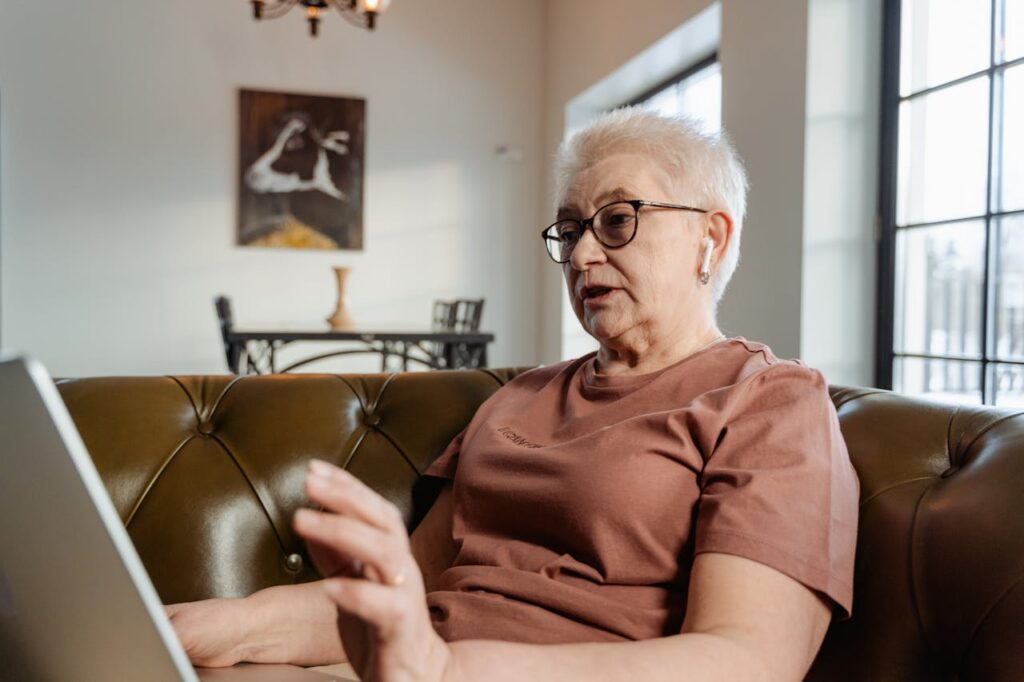
A regular, low-key family check-in makes an enormous difference in coordinating support. It does not need to be a formal meeting or a highly stressful, difficult conversation.
A monthly video call focused on sharing observations rather than solving crises keeps everyone wonderfully connected.
These brief chats help identify who noticed recent fatigue or who is handling the next specialist appointment.
Dividing responsibilities based on proximity and availability makes the heavy load feel much lighter.
The sibling who lives closest might handle in-person visits, while the one further away can coordinate online grocery orders.
Shared notes or simple organizational apps help keep everyone perfectly aligned. This structured approach prevents the family group chat from becoming an ongoing source of anxiety.
More importantly, these ongoing conversations should always keep the parent exactly at the center.
What are their distinct preferences, and what does true independence mean to them right now? These caregiving tips for families are most effective when they flow in two supportive directions.
Shared caregiving ultimately reduces isolation and communicates that the senior is surrounded by people who care.
Pro Tip: Use shared digital calendars or simple group apps to track appointments and grocery runs. This prevents miscommunication and ensures that one family member doesn’t shoulder the entire caregiving burden alone.
3. Make the Home Easier and Safer To Navigate
A home that works exceptionally well for someone at forty may quietly become more challenging at seventy-five. The necessary changes do not have to be significant or remarkably sudden to make a huge difference.
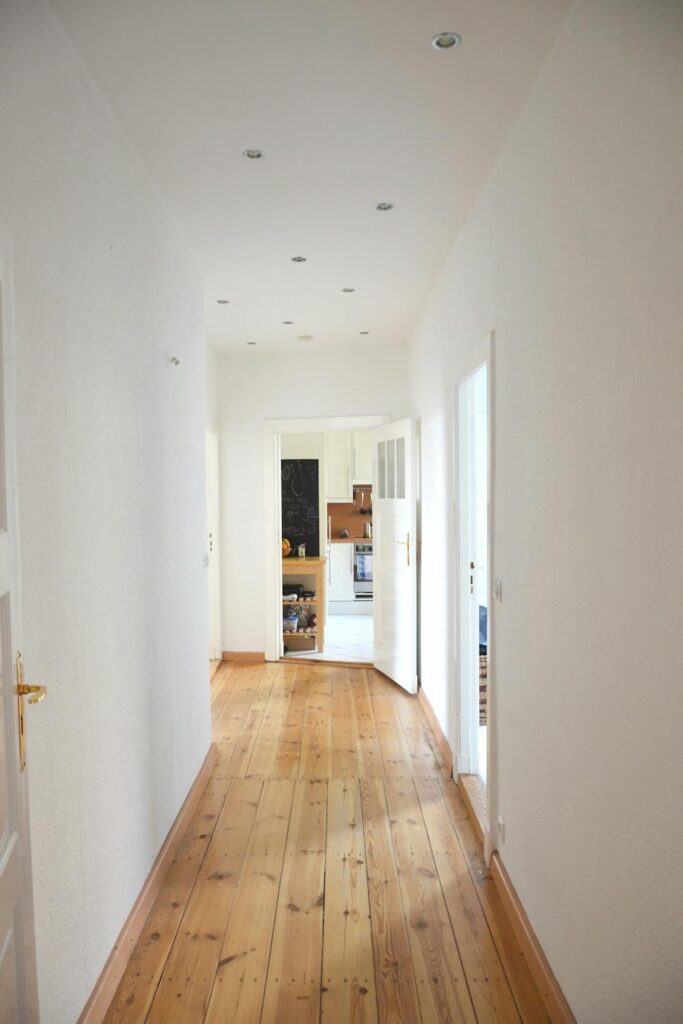
A rug that shifts underfoot or a hallway that feels overly dark at night can create hidden dangers. Over time, these small environmental friction points quickly add up and threaten a senior’s independence.
Improving senior safety at home definitely does not require an expensive or extensive renovation. Thoughtful, practical adjustments can dramatically reduce risk while preserving your loved one’s ability to move freely.
For example, knowing that older adults will fall quite frequently highlights the importance of proactive preventive measures. Addressing these specific hazards early allows seniors to navigate their own space with total ease and confidence.
Start by significantly upgrading the lighting throughout the primary living spaces. Nightlights placed along hallways and inside bathrooms make nighttime movement incredibly safer.
Brighter bulbs in the kitchen and cozy reading areas easily reduce daily eye strain for older eyes. Motion-activated lights are a quiet, elegant modern upgrade that benefits everyone moving through the entire home.
Next, look carefully at the floor surfaces and remove any loose, trailing rugs immediately. Securing visible cords, widening pathways between rooms, and removing unnecessary furniture make a highly meaningful difference.
In the bathroom, installing grab bars and adding non-slip mats round out a genuinely safer environment. Framing these wonderful additions as modern home upgrades rather than medical equipment helps preserve personal dignity.

4. Explore Discreet Safety Tools for Extra Peace of Mind
For many families, the question eventually shifts to what happens if a loved one leaves the house and becomes disoriented. It is a quietly stressful concern for anyone caring for someone with memory-related challenges.
Medical experts note that a high percentage of people with dementia will experience wandering at least once. Fortunately, addressing this common issue does not require dramatic measures or a painful loss of personal freedom.
This specific need is where modern wearable safety technology has genuinely changed what is medically possible. Today’s best device options are incredibly discreet, highly stylish, and designed to look just like regular watches.
They are absolutely not clunky devices that immediately signal vulnerability to strangers in public spaces. Instead, they serve as smart tools that blend quietly into everyday life while offering robust, reliable support.
Families managing these complex wandering concerns usually prioritize a few critical, real-time safety features. Fast location awareness accessible via smartphone and gentle safe-zone alerts provide immediate, invaluable reassurance.
Two-way communication capabilities also allow family members to comfortably reach each other during a sudden moment of confusion. Furthermore, maintaining a long battery life is crucial so that daily charging does not become another exhausting caregiving chore.
The core language surrounding these modern tools focuses heavily on connection rather than constant surveillance. Wearable technology seamlessly expands a senior’s freedom instead of unfairly limiting their daily movements.
Knowing that a gentle, reliable safety net is securely in place allows everyone to finally relax. This beautifully balanced approach helps older adults live happily and safely at home for much longer.
Quote: Wearable safety technology is not about surveillance; it is about connection. Modern devices provide a gentle safety net that expands a senior’s freedom while giving their family members much-needed peace of mind.

The Path Forward
Think back to that quiet Sunday afternoon with the keys on the wrong hook and the untouched pill organizer. You noticed those subtle changes, and that careful observation matters far more than you might realize.
Supporting aging parents is absolutely not about stepping in and aggressively taking over their entire lives. It is simply about walking alongside them and making things a little smoother to confidently navigate.
Your loving support might look like a simple whiteboard that becomes a wonderfully quiet morning ritual. It could be a brief family video call that warmly reminds everyone they are not doing this completely alone.
Small adjustments, like a well-lit hallway at night, provide immediate comfort and long-lasting safety. Even adopting discreet safety accessories ensures a loved one can move through their day with true freedom.
Small, thoughtful changes naturally have a profound way of adding up to something incredibly significant. This approach never forces a tragic reduction in independence, but rather creates a quiet widening of personal dignity.
Start with one incredibly small, manageable step today to instantly improve their living environment. Ultimately, your loved one’s total peace of mind is always worth the dedicated effort.