
This post may contain affiliate links. I only recommend products I use and love. Read the full disclosure here
Updated on: December 2, 2025
Originally published on: December 1, 2025
Recovering from an injury can be frustrating when pain, stiffness, or limited mobility interfere with everyday routines. Learning how to heal an injury faster means supporting the body in a way that encourages safe progress rather than forcing movement or relying on shortcuts.

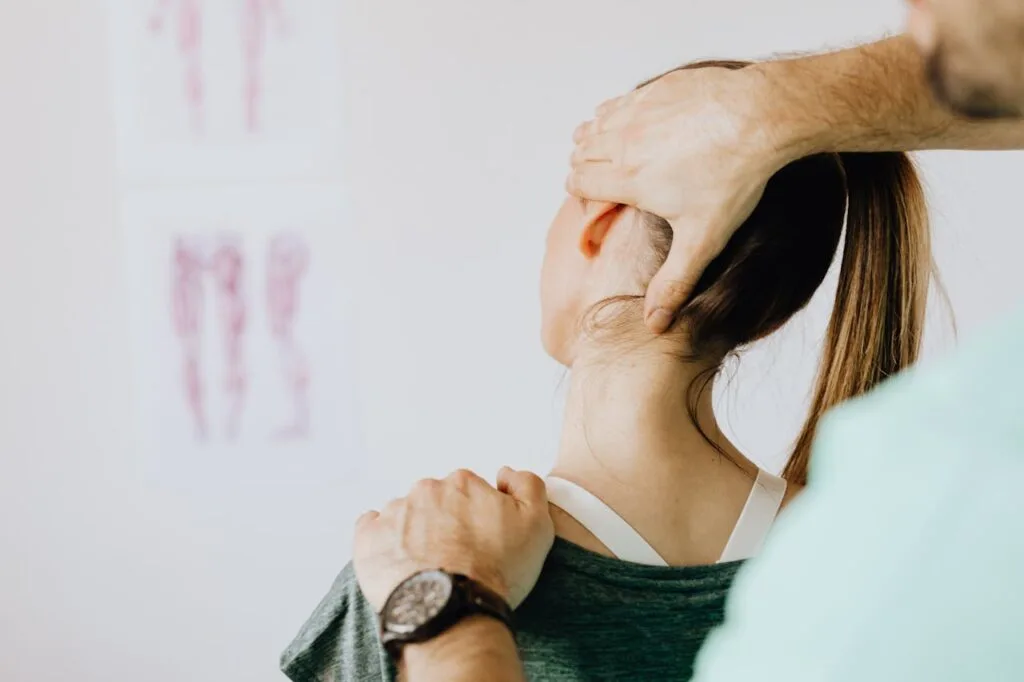
The body already has a remarkable ability to repair itself, and the strategies you choose can either speed up that repair or unintentionally slow it down. The goal is always to encourage progress without triggering setbacks, and that requires understanding the difference between techniques that help and actions that put stress on healing tissues.
When you rely on proven, safe methods, you can reduce discomfort, improve mobility, and regain strength at a steady, sustainable pace.
Follow a Treatment Plan That Supports Gradual Progress
Not every injury heals the same way, which makes customized treatment critical.
Structured recovery helps your body move from inflammation to repair and then rebuilding. Doctors from www.kevinkrusemd.com say that early guidance helps prevent excessive movement, poor form, or overexertion that could slow healing. Even when pain begins to fade, tissues are still vulnerable, so following a proper plan guarantees improvement happens layer by layer.
A gradual approach reduces stress on surrounding muscles and joints. You avoid unnecessary strain and still build the mobility and circulation needed to support recovery.
Checking in on your progress helps determine whether you should increase activity, maintain your current pace, or temporarily scale back. When each phase is respected, the body strengthens naturally without being pushed beyond what it’s ready for, which is key for people looking for how to heal an injury faster without risking setbacks.
Use Movement Strategically Instead of Staying Fully Immobilized
Rest is important in the early stages of healing, but complete inactivity can create stiffness and slow progress. Gentle, controlled movements help encourage circulation, which carries oxygen and nutrients to injured tissues.
This speeds up recovery and prevents joints from becoming overly tight. It’s important to move gradually, avoiding sharp motions or anything that worsens symptoms.
Slow stretches, light mobility work, or short periods of low-impact activity can help maintain your baseline flexibility. These small steps support mental well-being, making you feel more in control of your healing process.
The key is staying within a comfortable range and stopping immediately if swelling or pain increases. As long as movements feel smooth and stable, they reinforce the body’s natural repair process.
Incorporating gentle range-of-motion exercises several times a day can help maintain joint health and prevent stiffness from setting in. Pairing movement with deep, controlled breathing can reduce tension and improve circulation.
Using supportive tools like resistance bands or small weights can gradually strengthen muscles without overloading injured areas. Listening to your body and pacing yourself guarantees you don’t push beyond safe limits, which could set recovery back.
Support Recovery With Simple Everyday Adjustments
Many healing techniques come from small changes you make throughout the day. These adjustments reduce strain, improve posture, and help you move more comfortably.
They minimize repeated stress that could aggravate the injury again. When these habits become routine, the body faces fewer obstacles as it heals and builds strength.
- Simple Adjustments That Help Your Body Heal More Efficiently
- Use supportive footwear and avoid sudden high-impact movements.
- Maintain good posture when sitting or standing during long tasks.
- Apply heat or cold at appropriate times to manage inflammation or stiffness.
- Keep your hydration and nutrition consistent to fuel the healing process.
- Adjust your sleep environment to reduce pressure on injured areas.
Even minor shifts in how you walk, sit, or lift objects can significantly reduce irritation. These changes relieve stress on vulnerable tissues and create better conditions for recovery.


Strengthen Supporting Muscles to Prevent Further Injury
Once initial inflammation decreases, strengthening becomes a critical part of safe healing. Muscles surrounding the injured area often weaken due to reduced use, and rebuilding them helps improve stability.
Stronger muscles absorb more impact, allowing you to move without overloading sensitive areas. This protects against reinjury as you return to normal routines.
Strengthening should always begin slowly with controlled motions. Low-resistance exercises allow you to build endurance without risking a setback.
As stability improves, you can safely add resistance or increase repetitions. Maintaining balanced strength on both sides of the body reduces uneven strain and helps guarantee all muscles support your movements correctly.
Maintain Good Circulation to Encourage Faster Tissue Repair
Healthy blood flow plays a role in how quickly injuries heal, and it’s one of the most effective answers to how to heal an injury faster because oxygen and nutrients directly support damaged tissues.
Gentle exercise, light stretching, and avoiding long periods of sitting help keep circulation strong. You can use warm compresses or alternating warm and cool applications to stimulate blood flow.
Even small habits, like adjusting your posture or taking short movement breaks, contribute to better circulation.
When the body receives proper oxygenation, swelling decreases more quickly, and tissues regenerate more efficiently. Supporting circulation reduces stiffness, making everyday movements less uncomfortable.
Support Healing Through Balanced Rest and Consistent Sleep
Healing requires energy, and the body does much of its tissue repair during rest. Poor sleep or irregular rest patterns slow recovery by increasing inflammation and hormonal imbalance.
A consistent sleep schedule encourages deeper rest, allowing the body to restore itself at night. This consistency improves immune function and reduces muscle tension.
Quality rest prevents fatigue, which can lead to poor movement habits or overcompensation. When you feel tired, your body naturally favors certain muscles, placing more strain on the injured area.
Maintaining proper rest reduces this risk and gives your body the time it needs to repair damaged structures. Good sleep hygiene, limiting screen time before bed, keeping the room cool, and following a routine make recovery smoother and less stressful.
Ease Back Into Regular Activity With Controlled Movements
Returning too quickly to your old routine is one of the most common causes of reinjury. Even when discomfort seems manageable, the internal healing process may still be underway. Controlled reintroduction to activity guarantees you regain strength safely. Begin by performing familiar movements at lower intensity and gradually increasing difficulty as your body adapts.
This measured approach prevents overstretching, sudden impact, or unexpected stress that could slow your progress. Many people searching for guidance on how to heal an injury faster assume it means pushing harder, but in reality, it means pacing recovery so tissues aren’t overloaded before they’re ready.
Monitor how your body responds after each activity during the first 24 hours. If stiffness or swelling increases, it’s a sign to reduce intensity temporarily. Listening to your body and making measured adjustments helps maintain steady improvement without unnecessary risk.