
This post may contain affiliate links. I only recommend products I use and love. Read the full disclosure here
Updated on: November 28, 2025
Originally published on: November 28, 2025
Rebuilding after a natural disaster brings a wave of decisions that can feel heavy from the moment cleanup begins. The process often arrives with unexpected complications, yet many homeowners discover a renewed sense of direction once they understand how to approach the stages of repair.
A steady plan offers structure during a time that may feel unsettled, and each phase of the project benefits from clear goals, realistic expectations, and thoughtful timing.
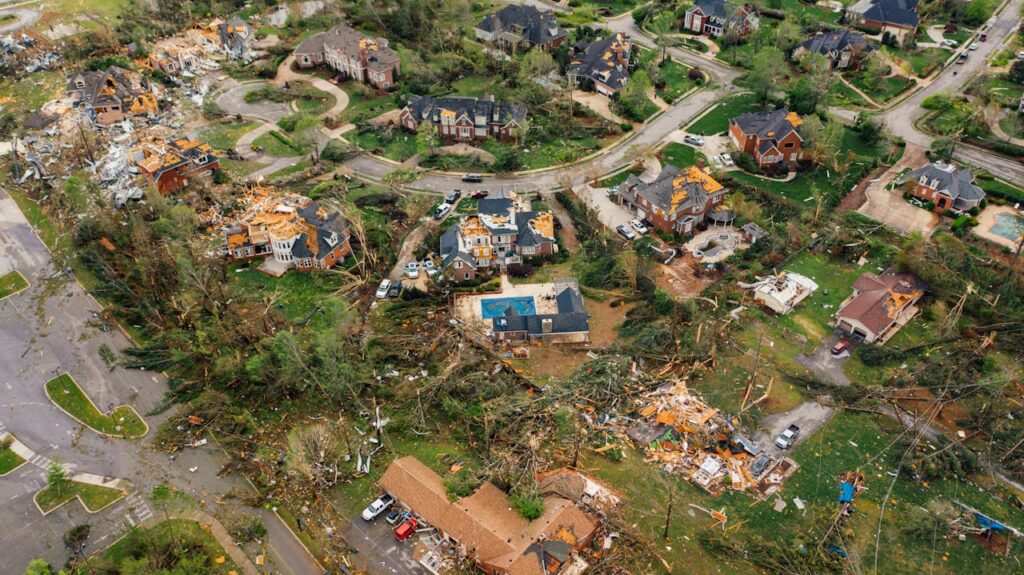
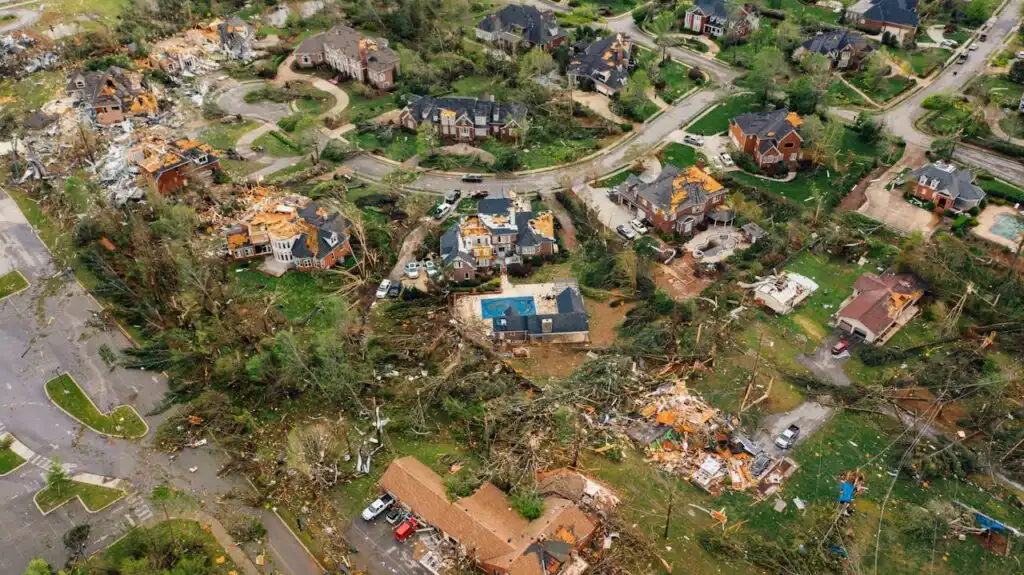
This guide explores several areas that influence successful rebuilding, from restoring the roof to connecting with the right professionals, protecting future safety, and maintaining momentum when progress appears slow. With patience and practical steps, homeowners can rebuild with confidence and regain stability after challenging events.
Restoring the Roof and Starting Strong
Roof restoration plays a crucial role during the early phase of recovery, since damage at the top of the structure often leads to larger problems if left unattended. Many homeowners start by identifying areas where shingles, tiles, or metal panels have loosened, lifted, or pulled away from the base structure. A detailed inspection reveals leaks, soft spots, or missing fasteners that may compromise the home’s strength. Some homeowners contact professionals offering roof help after storms, giving them guidance on repair strategies that fit the severity of the damage. This point in the project carries a sense of urgency, not because of panic but because open sections at the top welcome water and debris that may increase repair costs. Roof restoration usually begins with debris removal, followed by sealing exposed areas, repairing flashing, and replacing broken materials so the home regains a protective barrier. Attention to these steps restores confidence and sets a strong tone for the rest of the rebuilding process.
Assessing Structural Integrity Through Practical Steps
Once the top of the home regains stability, attention often shifts to the framework that supports the remaining structure. Homeowners benefit from a clear plan when examining interior and exterior walls, support beams, flooring, and foundation elements. Cracks, sagging sections, and loose joints point toward deeper issues that demand careful evaluation. A steady and methodical review highlights areas needing reinforcement. Connecting with licensed contractors helps generate accurate assessments and realistic timelines for repair work.
The following checklist offers a structured approach that many homeowners find helpful:
- Review exterior walls for separation, bowing, or water stains
- Examine flooring for soft areas or unusual dips
- Test interior walls for movement or cracking that suggests shifting
- Inspect the attic for gaps, compromised trusses, or damp areasExamine the foundation for uneven settling, openings, or gaps
These points create a starting map for understanding what sections of the home require prompt action. Each part works together to keep the home stable, so identifying weaknesses early supports smoother progress during later repairs.
Navigating Insurance and Documentation With Clarity
Insurance plays a central part in rebuilding, yet many homeowners feel overwhelmed when trying to interpret policies or submit accurate claims. Clear documentation eases tension during this stage. Photos, repair estimates, contractor notes, and personal logs of damage offer support for the claim. The more detailed the record, the smoother the discussions with the insurance provider often become.
Homeowners often begin with a full photo record taken from multiple angles. Close-up images show the extent of damage, while broader shots provide context. Organizing these photos by location simplifies future reference. Written timelines and descriptions offer clarification if questions arise regarding the sequence of events. Once documentation is complete, homeowners typically review their policies, sometimes with assistance from professionals who can interpret coverage limits, exclusions, required steps, and recommended repair paths.
Choosing Contractors and Building Trust During Repairs
Selecting the right contractors influences the quality of the rebuild, the speed of progress, and the homeowner’s comfort with the project. Reputable professionals bring experience, craft, and reliability to the table. Homeowners often start by gathering referrals from neighbors, local groups, or community recovery organizations. Online reviews offer insight into communication habits, punctuality, and final results delivered by each contractor.
Clear expectations during the early conversations help shape a positive working relationship. Homeowners benefit from asking contractors for licenses, proof of insurance, written estimates, and detailed descriptions of the planned repair process. Transparent pricing and realistic timelines help prevent unexpected surprises during construction.
Creating a Safe and Healthy Living Environment During the Rebuild
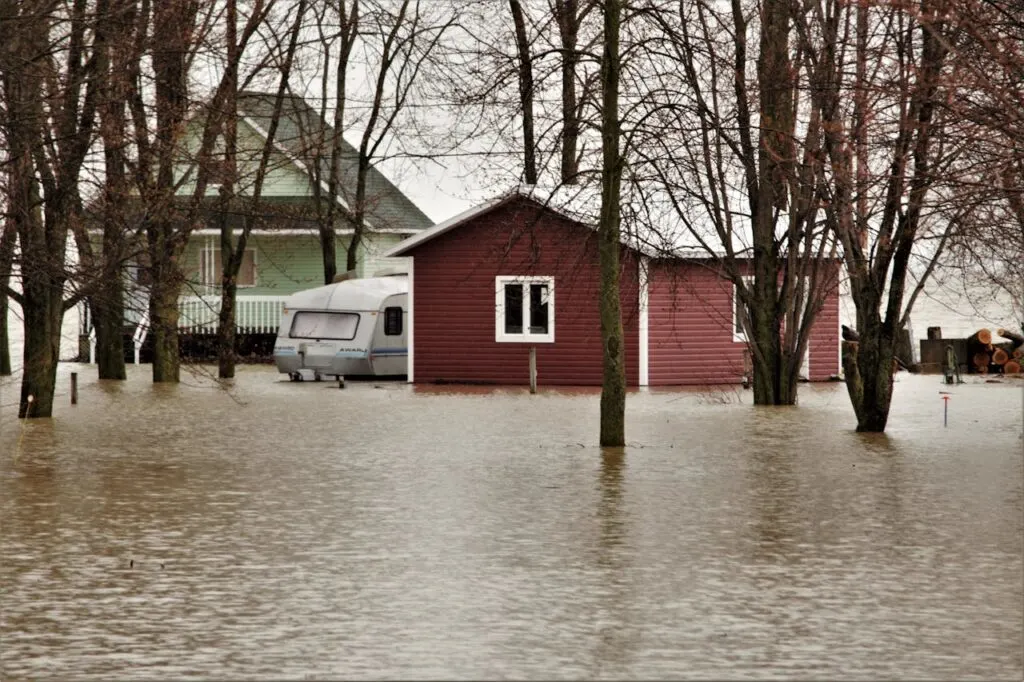
Safety becomes a central focus during the rebuilding process. Homes damaged by storms, floods, high winds, or earthquakes often contain hidden hazards that require attention before repairs continue. Mold, weakened structures, lingering debris, and contaminated water sources pose risks if ignored. Taking time to create a safe foundation for the rebuild protects the homeowner, contractors, and future occupants.
Ventilation encourages cleaner air during restoration activities, especially when dust, insulation particles, or old materials become exposed. Many homeowners open windows, use air movers, or rely on temporary filtration devices to support better airflow. Proper disposal of damaged materials limits unwanted odors and prevents health hazards from lingering in the space.
Electrical systems deserve careful attention. Exposed wires or water intrusion can compromise safety. Licensed electricians inspect panels, outlets, and wiring before power is restored to the property. Gas lines require similar caution. Professional testing confirms that the system remains sealed and safe for renewed use.

Moving Forward With a Realistic Timeline and Budget
Rebuilding after a natural disaster rarely follows a perfect schedule. Delays appear through backordered materials, contractor availability, weather interruptions, or new findings discovered during construction. Setting a flexible mindset allows homeowners to adapt to changing conditions.
Budgeting often becomes a delicate balance. Homeowners typically begin with a realistic spending plan that includes estimates for labor, materials, inspections, temporary housing, and unexpected costs. Although every project differs, many homeowners set aside a cushion for repairs that were not initially visible.
Tracking expenses through spreadsheets or dedicated apps helps homeowners understand how close they remain to projected totals. Receipts, invoices, and written agreements bring structure to the financial side of the rebuild. When costs shift, these records help homeowners revise their plans, communicate with insurance providers, or adjust the pace of construction.
Rebuilding after a natural disaster brings emotional, financial, and physical strain, yet the process also introduces an opportunity to restore comfort and stability. Homeowners who stay organized and confident in their decisions often complete the journey with a restored sense of control and the reassurance that their home can once again provide a secure and welcoming place to live.