
This post may contain affiliate links. I only recommend products I use and love. Read the full disclosure here
Updated on: September 1, 2025
Originally published on: September 1, 2025
Injury risks that can disrupt long-term health goals often get overlooked, but building lasting wellness requires consistency, discipline, and steady progress. Whether those goals involve staying active into older age, training for athletic performance, or simply maintaining daily mobility, one major obstacle can disrupt the process: injury.

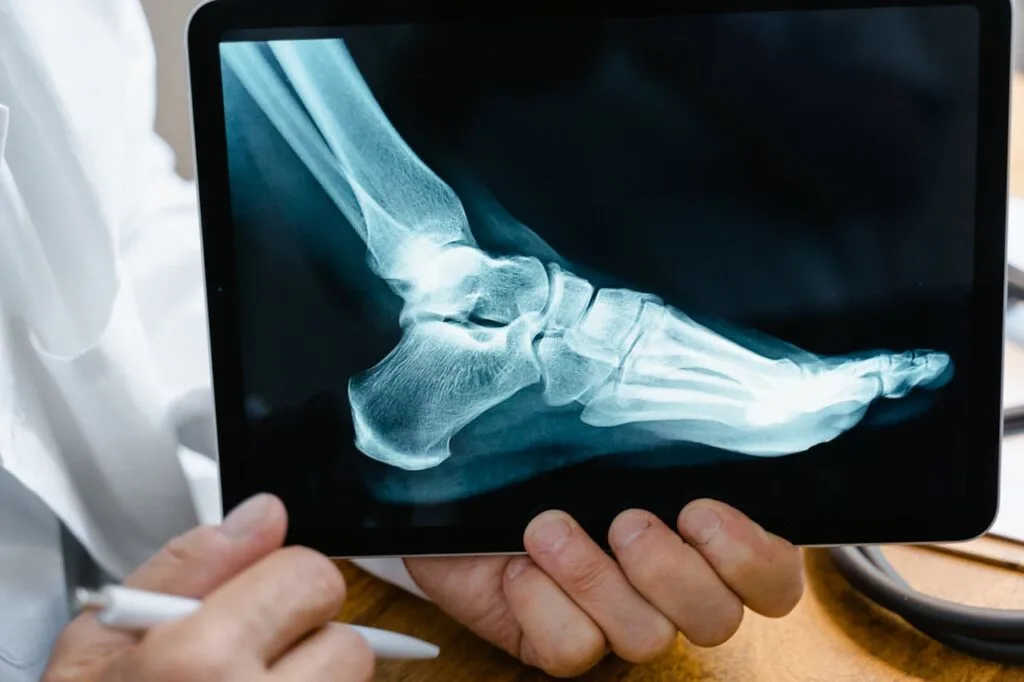
While some injuries are minor and heal quickly, others can derail health plans for months, years, or even permanently. Understanding the types of injuries that most commonly interfere with long-term health and learning strategies to minimize risk helps individuals protect both their wellness and their lifestyle.
Workplace and Everyday Accidents
Many people focus on sports or exercise when thinking about injury, but workplace and everyday accidents account for a significant percentage of disruptions to long-term health. Slips, falls, and repetitive strain injuries can happen in offices, warehouses, or even at home. These injuries may lead to chronic pain, reduced mobility, or long-term complications if not treated properly.
When an accident occurs due to unsafe conditions or negligence, it may involve legal considerations. Legal professionals such as https://www.malloy-law.com/ can help injured individuals navigate claims, ensuring they receive compensation for medical expenses, rehabilitation, or lost wages. Addressing the legal side of workplace or everyday injuries allows patients to focus on recovery without the added burden of financial stress.
Proactively, employers and individuals can reduce risks by following safety protocols, keeping spaces clutter-free, and taking breaks to avoid repetitive strain. Prevention is the best strategy, but knowing how to act after an accident is equally critical to preserving health goals.
Sports and Recreational Injuries
Sports and recreational activities are excellent for maintaining health, but they carry inherent risks. Sprains, torn ligaments, and fractures are common among both professional athletes and weekend hobbyists. Left untreated, these injuries can compromise performance, limit physical activity, and trigger long-term conditions like arthritis.
Even less severe injuries, like persistent strains or tendonitis, can disrupt consistency in exercise routines, slowing progress toward health goals. Preventive strategies include proper warm-ups, correct technique, and using protective gear when appropriate. For those recovering, structured physical therapy ensures safe rehabilitation without creating lasting setbacks.
Balancing ambition with caution allows individuals to enjoy sports while minimizing injury risks that could have lifelong consequences.
Traffic and Vehicle-Related Incidents
Automobile accidents remain one of the most significant causes of long-term health complications. Even seemingly minor collisions can result in whiplash, back injuries, or concussions that linger for years. More serious accidents may lead to traumatic brain injuries or spinal cord damage, permanently altering physical abilities and health.
The challenge with traffic-related injuries is that they often occur suddenly, leaving little chance for prevention beyond general safety practices like seatbelt use, defensive driving, and avoiding distractions. Once an injury occurs, immediate medical evaluation is important, even if symptoms seem mild. Early detection of hidden injuries can prevent them from developing into chronic conditions later.
For those managing long-term effects, rehabilitation programs, adaptive equipment, and consistent follow-up care are crucial for regaining as much independence and mobility as possible.
Overuse and Repetitive Strain Conditions
Not all injuries are sudden or dramatic; many develop gradually through overuse. Carpal tunnel syndrome, chronic back pain, and stress fractures often come from repetitive motions or poor ergonomics. These conditions are particularly challenging because they interfere with both professional life and personal health goals, creating daily discomfort that reduces activity levels.
Preventing overuse injuries involves being mindful of posture, incorporating rest days into exercise schedules, and practicing good ergonomics at workstations. For athletes, cross-training is an effective way to balance strain across different muscle groups, reducing the risk of chronic injury.
Treatment usually requires a combination of rest, physical therapy, and lifestyle adjustments. Left unchecked, these conditions can worsen, permanently disrupting physical capabilities.
Injuries Linked to Aging and Bone Health
As people age, bones naturally lose density, and muscles lose some strength and flexibility. This increases the risk of injuries such as fractures from falls or joint injuries from reduced stability. For individuals pursuing long-term health goals, age-related injuries can be particularly discouraging because they highlight the importance of adapting routines.
Strength training, balance exercises, and adequate calcium and vitamin D intake can significantly reduce the risk of fractures and osteoporosis. Regular health screenings help detect early warning signs of bone and joint issues before they become debilitating.
Addressing these risks proactively allows individuals to maintain independence and mobility well into later life, ensuring health goals remain achievable despite the natural changes that come with aging.
The Psychological Impact of Injury
Injury affects physical health, and it can create serious psychological challenges. Being sidelined by injury brings feelings of frustration, anxiety, or even depression if health goals were tied to identity or lifestyle. Losing the ability to participate in beloved activities can feel like a loss of independence and control.
Mental health support plays a critical role in injury recovery. Counseling, mindfulness practices, or support groups can help individuals cope with the emotional side of injury and maintain motivation throughout rehabilitation. Recognizing that mental health is part of the healing process ensures a more complete and sustainable recovery.
Building Resilience Through Prevention and Recovery
While not all injuries can be avoided, resilience comes from preparation and recovery. Preventive measures, such as safe exercise practices, ergonomic workspaces, and regular health checkups, reduce the likelihood of injury. When injuries do occur, early treatment, structured rehabilitation, and a positive mindset ensure the best possible outcomes.
Long-term health goals should always include flexibility to adapt when setbacks happen. Injury may temporarily slow progress, but with the right strategies, individuals can recover, rebuild, and return to pursuing their objectives. By focusing on prevention, resilience, and support systems, it’s possible to navigate injuries without losing sight of long-term wellness.

Injury risks are an unavoidable reality for anyone pursuing long-term health, but they don’t have to derail progress permanently. While the possibility of setbacks is always present, whether from workplace accidents, sports-related strains, vehicle collisions, or age-related conditions, these challenges are not insurmountable. Each type of injury carries its own difficulties, yet with early intervention, thoughtful management, and consistent rehabilitation, the long-term impact can be minimized.
Proactive strategies play a central role in protecting health goals. Regular checkups, proper training techniques, ergonomic adjustments, and preventive measures reduce the likelihood of injuries in the first place. When injuries do occur, resilience becomes the key to recovery. Setting realistic expectations, adhering to treatment plans, and seeking support, both medical and emotional, ensures that setbacks are temporary rather than permanent barriers.