
This post may contain affiliate links. I only recommend products I use and love. Read the full disclosure here
Updated on: April 28, 2026
Originally published on: April 28, 2026
Storms are just part of life for many families, and once they pass, most of us head outside to clean up and make sure everything looks okay. We check the yard, the fence, and the windows, but it’s easy to miss the signs of storm damage on your roof since it’s not something you see up close every day.
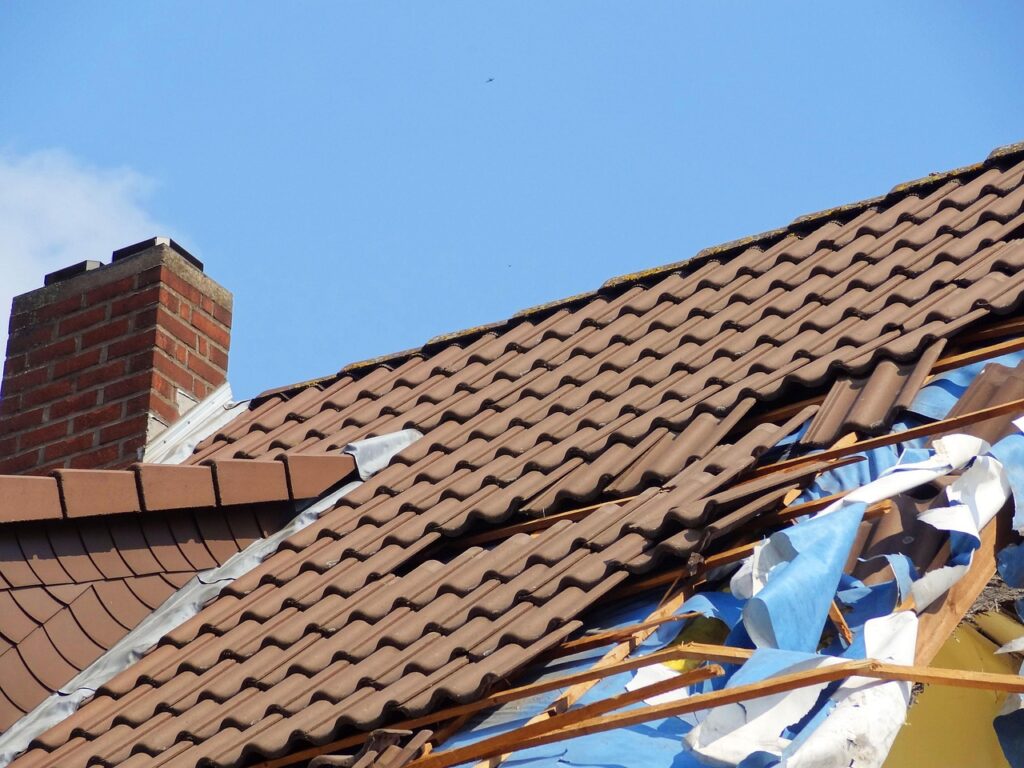
Because your roof is out of sight, small problems can go unnoticed for weeks or even months. What looks fine from the ground can still have hidden damage that slowly turns into bigger, more expensive issues. Keeping your roof in good shape isn’t just routine maintenance; it’s one of the simplest ways to protect your home, your family, and your budget from unexpected repairs.
The roof is often the last thing on our minds since it is high up and hard to see. Small issues with your shingles can turn into big headaches for your home. Keeping a roof in good shape is a key part of protecting your family and your budget.
Hidden Damage Takes Time to Show
A big storm often leaves behind issues that you cannot see from the driveway. You might think everything is fine since there are no missing shingles. High winds and hail can create tiny problems that do not leak right away.
A recent post explained that damage to the outer layers or the decking can take weeks or months to cause a visible drip inside your home. This delay can make it harder to connect the leak to the original storm.
Checking the roof early helps you find these tiny weak spots before they grow. You can reach out to these experts to schedule a consultation if you suspect a storm caused issues. They know exactly where to look for small cracks or loose parts.
It is much better to find a small bruise now than a massive stain on your living room ceiling later. Water can travel a long way from the point of entry. It might drip down a beam and end up far from the actual hole.
Checking the Gutters for Clues
Home maintenance often stays at the bottom of a busy parent’s list. Looking inside your gutters is another smart move for any homeowner. If you see piles of sand or small rocks, your shingles are losing their protection. This grit helps shield your home from the sun and rain.
Gutters that are full of debris cannot move water away from your foundation. This can lead to basement leaks or mold growth. Keeping these paths clear is a simple way to protect your property after a windy day.
The Shingle Bruises You Might Miss
Hail creates impact marks that look like small bruises on a piece of fruit. These marks are hard to spot without standing right on the roof. One industry expert mentioned that losing this protective grit leaves your shingles open to the elements.
This leads to the material breaking down much faster than it should. The sun can bake the exposed areas and cause them to crack. These cracks allow water to seep under the shingles and rot the wood underneath.
Another blog post noted that a damaged roof might fail to keep heat inside during the winter. It might let too much heat in during the summer months. This can make your energy bills rise quite a bit. Your HVAC system has to work harder to keep your family comfortable.
Look Up for Interior Clues
You do not always need to go outside to find signs of trouble. Sometimes the first warning appears on your walls or ceilings. A roofing news update stated that a sagging or bubbling ceiling is a major sign of water buildup.
This often means water is stuck behind the drywall and needs attention right away. You should look in your attic for any damp wood or dark spots. These signs often point to a leak that started during the last big wind event.
Mold can grow in these dark spaces if the moisture stays for too long. Keeping your family safe means catching these leaks before they cause air quality issues. Check your insulation to see if it feels heavy or wet.
The Role of Shingle Age
Every roof has a limited lifespan that you need to track. Most asphalt shingles are designed to last about 2 decades under normal conditions. A real estate guide mentioned that roofs over 15 or 20 years old with multiple signs of damage likely need a full replacement.
If your home is older, a storm might be the final blow to the material. Newer roofs can often handle high winds much better. Older materials become brittle and break when the wind pulls on them.
- Check the age of your shingles.
- Look for curled edges.
- Inspect the flashing around chimneys.
- Watch for missing tabs after high winds.
- Check the seals around plumbing vents.
- Look for rust on any metal parts.
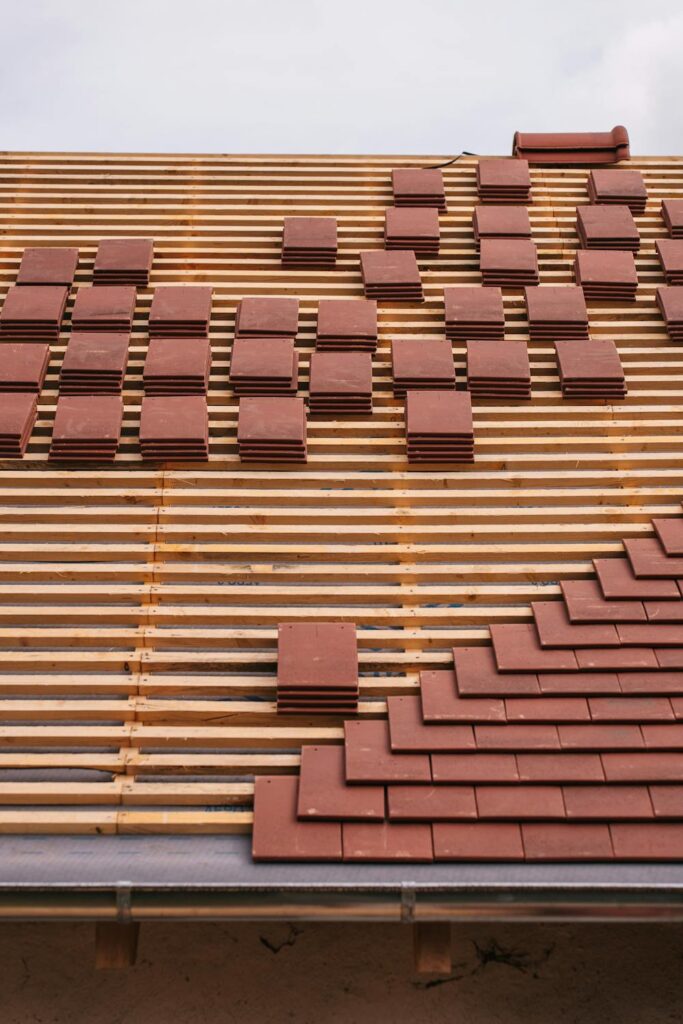
Replacing an old roof before it fails can save you a lot of money. You avoid the cost of fixing damaged drywall and ruined carpet. It makes your home more attractive if you decide to sell it later.
Navigating Insurance and Costs
Fixing a roof is a big financial decision for any household. One industry report noted that the average roof replacement in 2025 ranges from $21,050 to $30,680. These prices reflect the rising cost of materials and labor.
Insurance companies pay out billions of dollars every year for storm damage claims. A news bulletin shared that severe storms cost insurers $46 billion in just the first 9 months of 2025. This shows how common these weather events have become.
- Document the date of the storm.
- Take photos from the ground.
- Keep receipts for any temporary repairs.
- Review your policy details.
- Ask for a copy of the inspection report.
- Keep a log of all phone calls.
A claim guide suggested calling your insurance company within 24 to 48 hours to report the damage. Waiting too long can make the claim process much harder to finish. A quick call can start the process and get your home back to normal.
Your home is the place where your family should feel the most secure. Protecting that space starts with a strong roof that keeps out the wind and rain. Taking a few minutes to look for these signs can save you thousands of dollars in the long run.
It provides peace of mind when the next dark clouds roll in. A little bit of care today keeps your home ready for many years of family memories. You deserve a house that is as strong as the people living inside it. Stay safe and keep looking up to protect your home.