
This post may contain affiliate links. I only recommend products I use and love. Read the full disclosure here
Updated on: November 21, 2025
Originally published on: November 21, 2025
Working with children presents unique challenges and incredible rewards. Whether in a daycare, school, or community setting, connecting with young people is essential for supporting their growth and development. To truly thrive in these environments, caregivers benefit from building the skills needed to work with children, especially those that help kids feel understood, safe, and supported.
By strengthening communication, patience, creativity, and awareness, professionals create spaces where children can learn and flourish. Below, we explore the essential skills that can enhance the experience of both caregivers and children, leading to a more effective and fulfilling work environment.

Effective Communication
Successful communication is crucial when working with kids. This involves not just verbal interactions, but also non-verbal cues, such as gestures, facial expressions, and body language. Children may not articulate their feelings and needs clearly, making it essential for adults to interpret these cues accurately.
Listening is equally important; understanding what children express allows caregivers to address their concerns promptly. Children are also more likely to respond positively when they feel heard and valued. Adjusting language to suit a child’s age and comprehension level makes communication more effective.
Engaging in playful dialogue enhances connection and trust, creating a safer environment for them to express their emotions and concerns. Demonstrating empathy through communication can help children feel supported and understood, fostering their emotional attachment to caregivers.
Patience and Flexibility
Working with kids requires an abundance of patience and flexibility. Children naturally have different paces of learning and responding to instructions. Caregivers need to remain calm and composed, especially during challenging situations.
Rigid approaches can disadvantage both caregivers and children, inhibiting growth and engagement. Flexibility allows caregivers to adapt activities according to the children’s moods or their needs on that day. Maintaining an open-minded approach also nurtures creativity, enabling children to explore various ideas and solutions.
An environment where children feel secure to make mistakes greatly enhances their learning experience. Caregivers who model patience and adaptability foster resilience in children, teaching them how to cope with frustration. Balancing structure with spontaneity often leads to the best outcomes, especially in educational or childcare settings.
Understanding Child Development
An understanding of child development theories and milestones is vital for effectively working with kids. Each age group presents unique learning styles, social behaviors, and emotional responses. Familiarity with developmental stages, such as cognitive, emotional, and social, helps caregivers to set suitable expectations.
This knowledge allows caregivers to create age-appropriate activities that engage children at their level of understanding. Equally, being aware of red flags indicating developmental delays can prompt timely interventions, ensuring that children receive the support they require. Balancing academic learning with playful activities aligns with developmentally appropriate practices, enriching the experiences children have while learning.
Recognizing that every child is unique also promotes personalized learning experiences that respect each child’s individuality. Engaging tailoring approaches can be particularly beneficial for those considering opening a Daycare Franchise aimed at addressing diverse needs and preferences. By consistently applying these principles, franchise owners can cultivate environments that truly nurture growth and development across all age groups.
Creativity and Playfulness
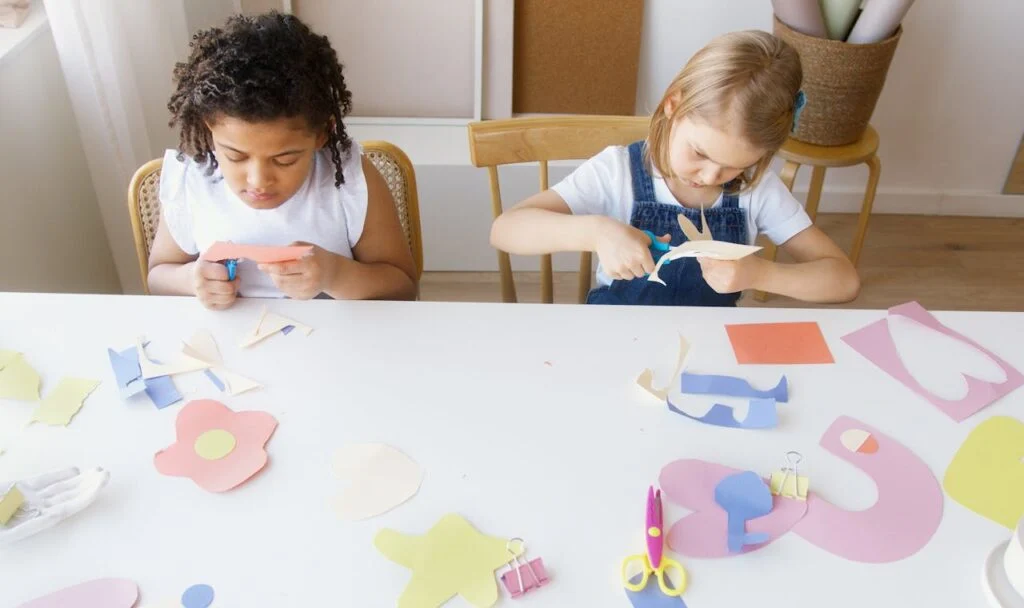
Creativity plays a pivotal role when working with kids. Utilizing imaginative play is a powerful tool for teaching, facilitating children’s understanding and engagement in new concepts. Creative activities, such as arts and crafts, storytelling, or role-play, can spark children’s imagination and enhance their emotional expression.
These activities serve as safe spaces for children to explore their identities and experiences. Playfulness not only keeps the environment light-hearted but also breaks down barriers between the caregiver and the child. Encouraging a culture of fun promotes collaboration and team-building among children, which helps them develop social skills.
Integrating creativity into daily routines leads to richer, more meaningful interactions, thereby reinforcing learning and engagement, fostering a holistic, nurturing environment that emphasizes fun and creativity.
Conflict Resolution Skills
Conflict is a natural part of any child’s development, especially in group settings. Teaching children how to resolve disputes constructively is an important skill for both them and their caregivers. Proactively addressing conflicts using mediation strategies can transform potentially negative situations into valuable learning opportunities.
Encouraging open communication helps children express their feelings while promoting empathy towards others. Caregivers can model appropriate behaviors to facilitate resolutions, demonstrating how to compromise and collaborate effectively.
The capacity to navigate disagreements positively contributes to a harmonious group dynamic, enabling children to cultivate emotional intelligence. Empowering children with conflict resolution skills equips them to deal with challenges independently, sowing the seeds for lifelong resilience.
Observation and Assessment Skills
Observation is a fundamental skill that aids in understanding children’s needs and progress. Caregivers should consistently assess children’s developmental progress and emotional well-being through attentive observations. This informal assessment can inform future planning of activities tailored to address gaps in skills or knowledge.
Noting patterns in behavior and learning can highlight areas of strength and areas requiring support. Fostering a culture of reflection encourages caregivers to adapt their interaction styles accordingly and enhances overall effectiveness.
Documenting observations helps in tracking growth over time, enabling caregivers to celebrate achievements, no matter how small. Involving children in self-assessment promotes accountability and encourages them to take an active role in their own learning journey.


Passion for Teaching and Caring
Above all, a genuine passion for working with children is essential. A caregiver’s enthusiasm can significantly influence a child’s motivation and willingness to engage in activities. Building positive relationships with kids fosters trust and a sense of safety, encouraging them to thrive in their environment.
Passionate caregivers are often more invested in their roles, driving them to seek continual improvement through professional development. Creativity often springs from that passion, leading to the design of engaging learning experiences. The emotional energy invested in interactions can create lasting memories and impacts on children’s lives.
Cultivating warmth and affirmation helps empower children, offering them the reassurance they need to feel secure and confident. With passion as a driving force, caregivers can inspire a love for learning that lasts a lifetime.
Embracing these essential skills can pave the way for success when working with kids. Mastery of effective communication, patience, a solid understanding of child development, creativity, conflict resolution, keen observation, and an authentic passion for nurturing can transform the landscape of child care. Harnessing these abilities ensures that caregivers effectively contribute to children’s growth while fostering a fulfilling career, especially for those contemplating avenues that align with their vision of quality childcare.