
This post may contain affiliate links. I only recommend products I use and love. Read the full disclosure here
Updated on: August 12, 2025
Originally published on: August 8, 2025
Olive oil has long held a cherished spot in kitchens around the world. But the benefits of olive oil beyond cooking are just as impressive. From Mediterranean staples to modern wellness routines, this golden elixir goes far beyond dressing leafy greens. Its versatility and health benefits make it an important ingredient for those who care about flavor and well-being.

Why Quality Matters
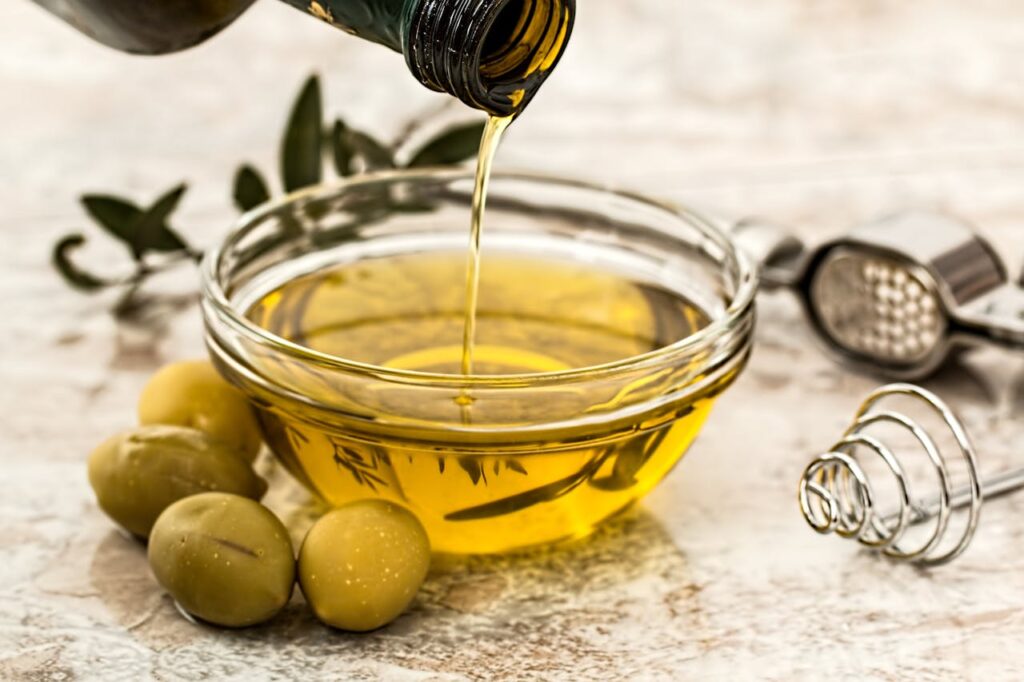
Not all olive oils are created equal. Beyond the label, origin, and packaging, what really matters is the presence of bioactive compounds. These natural antioxidants are responsible for many of the oil’s anti-inflammatory and heart-protective properties.
Polyphenol content is one of the main indicators of quality and health benefits. For a deeper understanding of how these compounds affect the body, check out polyphenol rich olive oil explained by researchers and wellness experts. Polyphenols are linked to reduced oxidative stress, improved vascular function, and slower aging at the cellular level. Oils with high polyphenol content often have a peppery finish, a sign of their potent antioxidant power.
When shopping for olive oil, look for extra virgin varieties that indicate harvest date, country of origin, and certification. These clues help ensure you’re getting a product rich in nutrients and free of chemical refining.
A Heart-Healthy Fat Backed by Science
One of the most compelling reasons to use olive oil is its positive impact on cardiovascular health. Rich in monounsaturated fats, like oleic acid, olive oil helps lower LDL (bad) cholesterol while preserving HDL (good) cholesterol. The American Heart Association acknowledges that replacing saturated fats with olive oil may help reduce the risk of heart disease.
Studies suggest that diets high in extra virgin olive oil are associated with lower blood pressure, better blood sugar control, and decreased risk of stroke. The famed Mediterranean diet, which heavily features olive oil, is often credited for promoting longevity and reducing chronic disease rates in regions where it’s traditionally consumed.
Cooking With Olive Oil
One common myth is that olive oil shouldn’t be used for cooking due to its low smoke point. While refined oils may have higher smoke points, high-quality extra virgin olive oil is perfectly safe for most types of cooking, including roasting, sautéing, and even baking.
Its stable fat profile and antioxidant content allow it to remain relatively stable under heat. Research has shown that extra virgin olive oil retains more nutrients than many refined seed oils when used for frying or simmering.
For high-heat applications like deep-frying, it’s best to use a more neutral olive oil or a blend. But for everyday cooking, don’t hesitate to reach for the bottle.
Beauty and Skin Benefits Beyond the Kitchen
Olive oil isn’t just a pantry staple it’s a centuries-old skincare remedy. Thanks to its emollient nature and vitamin E content, olive oil can hydrate dry skin, soothe irritation, and even support wound healing.
When used as a natural moisturizer, it helps seal in hydration and offers antioxidant protection. Some people apply it directly to the skin, while others mix it into body scrubs or masks. It’s gentle enough for sensitive skin and versatile enough to be used on everything from cuticles to cracked heels.
Olive oil can be used to remove makeup, condition hair, and improve the appearance of stretch marks. While it shouldn’t replace medical-grade treatments for serious skin issues, it can be a nourishing addition to any self-care routine.
Weight Management and Satiety Support
Contrary to outdated beliefs about dietary fat, olive oil can actually support healthy weight management. Monounsaturated fats help increase satiety, meaning you may feel fuller for longer after meals that contain olive oil. This can reduce the urge to snack between meals and help regulate calorie intake.
Its flavor encourages mindful eating. The richness of olive oil can elevate simple ingredients, making meals more satisfying without the need for heavy sauces or processed additives.
Immune Function and Inflammation Control
Olive oil’s anti-inflammatory benefits extend to the immune system as well. The polyphenols in high-quality olive oil have been shown to modulate immune responses and reduce markers of chronic inflammation. This makes it a valuable ally in preventing diseases linked to systemic inflammation, such as arthritis, diabetes, and autoimmune disorders.
Its antioxidants support the body’s natural defenses by neutralizing free radicals and reducing oxidative damage at the cellular level. In times of stress or during cold and flu season, adding olive oil to your diet may offer an extra layer of protection.

Supporting Brain and Cognitive Health
The brain thrives on healthy fats, and olive oil fits the bill perfectly. Omega-9 fatty acids found in olive oil support the structural integrity of brain cells, while its polyphenols help guard against cognitive decline.
Multiple studies have linked olive oil intake with improved memory, attention, and mood in both young adults and aging populations. In fact, research from the Journal of Alzheimer’s Disease suggests that extra virgin olive oil may protect against age-related cognitive decline and even help remove plaques associated with Alzheimer’s.
Incorporating olive oil into daily meals, when combined with leafy greens and fish, forms a brain-friendly dietary foundation.
Versatile Uses in Homemade Remedies and Household Needs
Beyond cooking and skincare, olive oil can play a role in eco-friendly household care. It can be used to polish wood furniture, lubricate squeaky hinges, or remove sticky residue. Some even use it as a base for homemade candles, soaps, or pet grooming products.
Its antibacterial and antifungal properties make it a natural alternative to synthetic chemicals in certain home applications. While it won’t replace commercial-grade cleaners, it can be a gentle option for tasks like conditioning leather or refreshing cutting boards.
Olive oil’s benefits are as wide-ranging as its uses. From its potent antioxidants and heart-protective fats to its ability to nourish skin and enhance culinary experiences, this ancient ingredient deserves more credit than it often gets.
Choosing high-quality, polyphenol-rich olive oil ensures that you reap its full spectrum of advantages. So whether you’re drizzling it over a salad, massaging it into dry skin, or using it in a restorative evening meal, remember: olive oil isn’t just for salads, it’s one of the most powerful tools for modern wellness hiding in plain sight.