
This post may contain affiliate links. I only recommend products I use and love. Read the full disclosure here
Updated on: August 12, 2025
Originally published on: August 11, 2025
Hair thinning can begin so subtly that many people overlook the early signs. Early treatment for thinning hair gives you the best chance of slowing or reversing the process before it becomes more noticeable. A little extra shedding in the shower or a widening hair part might seem harmless, yet these indicators often point to an underlying issue that could worsen without intervention.
Whether the cause is genetics, lifestyle, medical conditions, or environmental factors, the sooner you act, the more options you’ll have for preserving density and maintaining healthy hair growth.


The earlier you take action, the more options you have for preserving density and maintaining healthy hair growth. Early treatment for thinning hair works best while follicles are still active, which is why ignoring symptoms can limit your results. Understanding the causes, spotting symptoms early, and choosing the right treatment plan can make a dramatic difference in your long-term outcomes.
Recognizing the First Signs of Hair Thinning
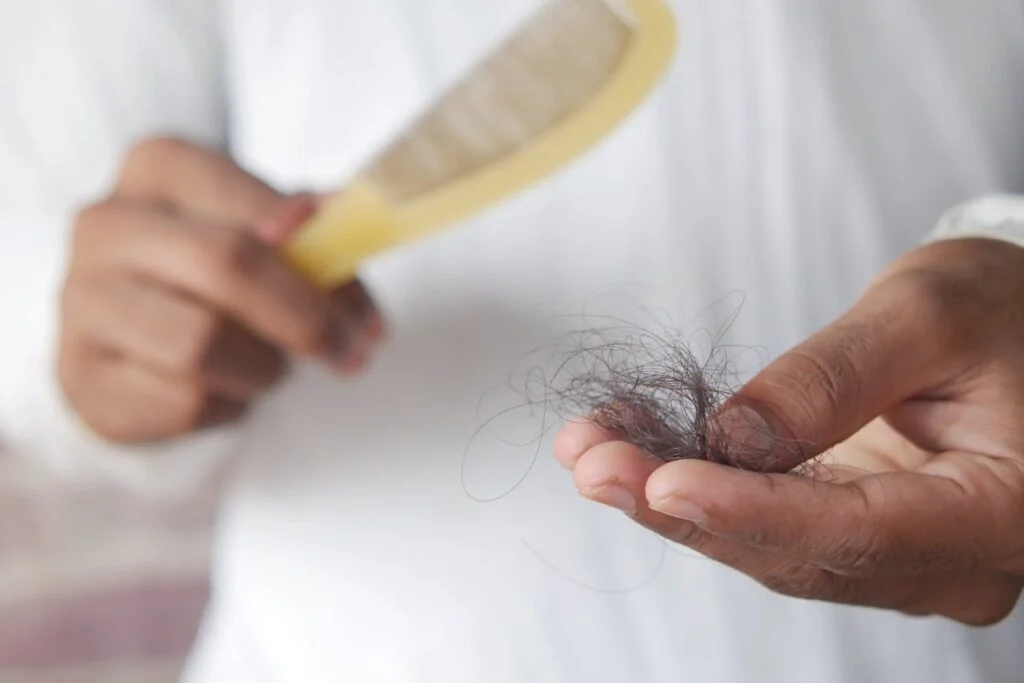
Many people fail to notice thinning hair until it becomes visibly obvious. The first signs often appear as a subtle reduction in hair volume or a change in texture. You might notice more hair on your pillow in the morning or strands clogging your shower drain. For some, the hairline begins to recede, while others see a widening of the part.
Early recognition allows for a proactive approach. By monitoring your scalp regularly and paying attention to changes, you can seek professional advice before the follicles become inactive. A dermatologist or trichologist can assess your hair’s condition, identify possible triggers, and recommend an appropriate plan based on the specific cause.
Why Timing Matters for Treatment Success
Hair growth follows a cycle with three phases: anagen (growth), catagen (transition), and telogen (resting). When follicles remain in the growth phase, they are more responsive to treatments like topical solutions, oral medications, or advanced therapies. As thinning progresses, more follicles enter the resting phase and become dormant. Once a follicle is inactive for too long, it may not respond to stimulation.
Early treatment for thinning hair helps preserve the health of active follicles and increases the chances of regrowth. Even if full restoration isn’t possible, starting early can slow shedding significantly and improve hair density. Waiting until hair loss is advanced often requires more aggressive, costly treatments, such as hair transplants, with no guarantee of full coverage.
Identifying the Root Cause
Addressing hair thinning begins with understanding its cause. Factors can range from hormonal changes and nutrient deficiencies to autoimmune conditions and stress. Genetic predisposition, particularly androgenetic alopecia, is a common reason for gradual thinning, but lifestyle habits such as poor diet, harsh hair treatments, and chronic stress can worsen the problem.
A thorough medical evaluation, including blood tests and scalp analysis, can pinpoint specific triggers. This allows for targeted treatment rather than relying on trial and error. Knowing whether the cause is temporary, such as postpartum hair shedding, or progressive, such as hereditary loss, is crucial for setting realistic expectations.
Lifestyle and Nutritional Adjustments
Healthy hair starts with a healthy body. Nutrient deficiencies, especially in iron, vitamin D, and protein, can contribute to thinning. Incorporating a balanced diet rich in leafy greens, lean proteins, and healthy fats supports follicle health. Staying hydrated and avoiding crash diets helps maintain a steady supply of nutrients to the scalp.
Stress management also plays an important role. High stress levels can push follicles into the resting phase, causing excessive shedding. Practices such as meditation, regular exercise, and adequate sleep support both overall well-being and hair health.
Treatment Options for Early Thinning
Once you’ve identified the cause, you can choose from a variety of treatments. Minoxidil, an over-the-counter topical solution, can help stimulate growth in both men and women when used consistently.
Prescription medications, low-level laser therapy, platelet-rich plasma (PRP) treatments, and microneedling are other options that may be recommended depending on the severity and cause. And if you’re wondering how do you stop hair from thinning, the answer lies in a combination of early action, professional guidance, and consistent care.
Seeking help as soon as changes are noticed can mean the difference between stabilizing hair loss and facing more advanced, harder-to-treat thinning. This proactive approach builds a foundation for healthier, stronger hair over the long term.
It’s equally important to avoid products that make unproven claims or contain harsh chemicals. A professional can help you navigate the overwhelming market of shampoos, serums, and supplements to choose the ones that are safe and effective for your situation.

Avoiding Common Mistakes
One of the biggest mistakes people make is assuming hair thinning will resolve on its own. Another is relying solely on cosmetic fixes, like volumizing shampoos or styling tricks, while ignoring the underlying cause. These temporary measures may mask the issue, but won’t stop progression.
Delaying professional evaluation allows more follicles to become dormant, reducing your chances of regrowth. Similarly, stopping treatments too soon can undo progress. Hair growth takes time, and consistent application of prescribed therapies is key to success.
Emotional Impact and Support
Hair thinning can take a toll on self-esteem and confidence, especially when it starts at a young age. Many people feel anxious about their appearance and avoid social situations because of it. Addressing the emotional side of hair loss is as important as treating the physical symptoms.
Joining support groups, speaking to a counselor, or connecting with others going through the same experience can provide comfort. Confidence can also be boosted by exploring styling options, such as haircuts or accessories, that work with your current hair density.
Maintaining Progress and Preventing Future Loss
Once you’ve achieved improvement, ongoing maintenance is necessary. This may include continuing topical or oral treatments, sticking to a nutrient-rich diet, and avoiding habits that put stress on the hair. Regular check-ins with your dermatologist or trichologist can help track progress and make adjustments to your regimen as needed.
Hair loss is a long-term condition for many, but with consistent effort, its effects can be minimized. Prevention and maintenance are often easier and more cost-effective than trying to reverse advanced thinning.
Early attention to thinning hair is one of the most effective ways to protect your hair’s density and health. By recognizing the signs promptly, identifying the root cause, and committing to a treatment plan, you greatly increase your chances of slowing or even reversing hair loss.
The key is to act while the follicles are still active and responsive, rather than waiting until the condition becomes more difficult to treat. With the right approach and consistent care, you can preserve the strength and appearance of your hair for years to come.