
This post may contain affiliate links. I only recommend products I use and love. Read the full disclosure here
Updated on: November 28, 2025
Originally published on: November 28, 2025
Home repairs often create tension when time is short or the task looks unfamiliar. Many people feel pressure when facing loose fixtures, surface damage, or small leaks, but most fixes become far more manageable with a calm and well-planned approach. Using a few simple home repair tips helps prevent rushed decisions, brings clarity to each project, and makes every step feel easier and more predictable. A steady approach keeps stress low and gives you confidence as you work.
The goal is not perfection but progress. With patience, simple habits, and a bit of preparation, even challenging projects feel lighter.
Below is some practical guidance that keeps repair work from spiraling into confusion. Each idea aims to reduce stress by giving structure, clarity, and a smoother path from start to finish. With the right mindset, ordinary fixes feel far less overwhelming.

Clear Assessment Before Any Work
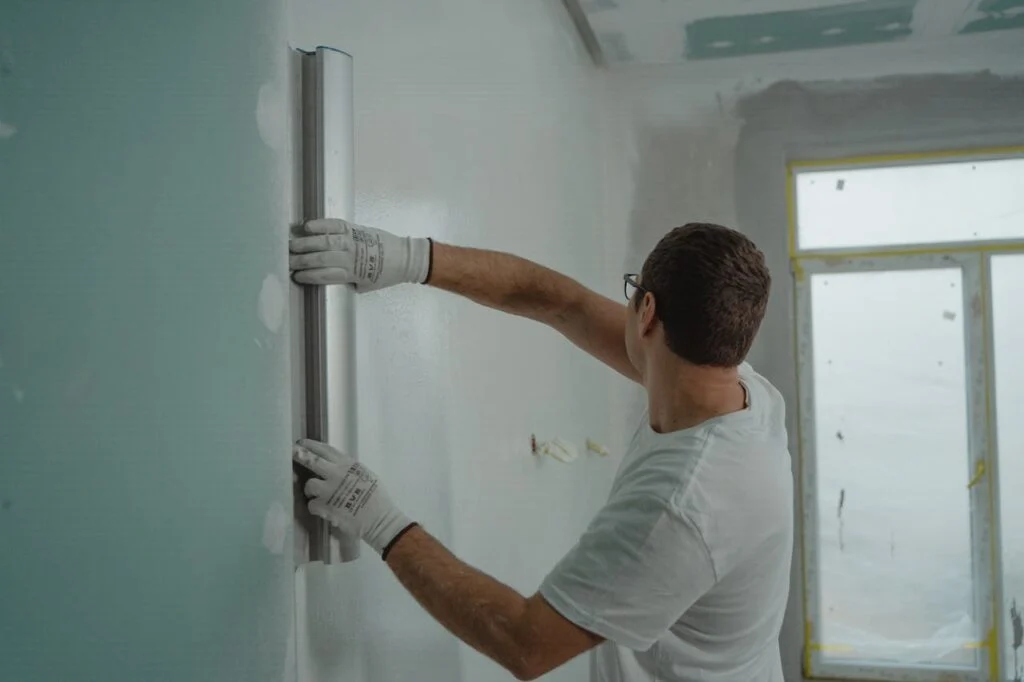
A successful repair starts with a moment of careful inspection. Minor roof issues, like loose shingles or small leaks, may require attention from roofing professionals, while other household repairs might be handled independently, professionals from Great State Roofing explain. A calm review helps you understand the scale of the task before picking up tools.
This early clarity prevents unnecessary mistakes that can be created by rushing into action. A quick photo or short note on your phone can help you remember details during planning.
When you know what you are dealing with, the entire process becomes more grounded. This sense of control reduces pressure and gives you a clear direction.
Organizing Tools for Faster Progress
A scattered toolbox can increase frustration before the repair even begins. Setting up a simple system for storage, such as grouping items by purpose, keeps everything easy to find. Labeling bins for hardware, fasteners, and small accessories helps reduce wasted time.
A consistent layout creates a predictable workflow that removes unnecessary pauses. A compact organizer near your workspace keeps frequently used tools within reach, preventing repeated trips across the house.
A tidy arrangement supports safety, lowering the chance of stepping on sharp objects or misplacing parts. A well-organized tool area gives you confidence at the start of each project and keeps your focus on the task rather than searching for missing items.
Breaking Repairs Into Smaller Segments
A repair often feels intimidating when viewed as one giant task. Dividing the work into simple segments, such as preparation, cleaning, fixing, and finishing, creates a steady rhythm. Each phase feels achievable because your attention stays on one small action at a time.
This structure encourages progress without overwhelming your mind with the entire project. A short checklist can guide you through the sequence with ease.
Completing each step provides momentum and reduces stress. A segmented plan helps you return to the project on a later day without confusion about where you left off.
Using Simple Maintenance as Prevention
Minor upkeep can greatly reduce future repair demands. Small moments of attention, like tightening loose handles, cleaning drain covers, or checking areas that attract moisture, stop early issues from spreading. Quick touch-ups keep surfaces in better shape and reduce the likelihood of facing long, complicated repairs later.
Light tasks fit naturally into weekly routines and require very little time. Regular care helps you recognize changes in materials or fixtures before they become bigger problems.
This proactive habit keeps your home in a healthier condition and protects your schedule from unexpected challenges. A few minutes of easy maintenance can save hours of work and keep your repair list shorter and more manageable.
Relying on Guides and Demonstrations
Clear instructions remove uncertainty from many tasks. Written step-by-step guides or visual demonstrations show the correct order of actions, giving you a clear picture of what needs to be done. This support helps you avoid unnecessary trial and error.
Reliable sources explain small details that make repairs smoother, such as correct tool handling or surface preparation. With a guide available, you can move at your own pace and repeat steps until you feel comfortable.
This structure lowers stress and increases the chance of a clean, successful result. Guidance turns confusing repairs into straightforward activities and reduces the frustration that often comes from guessing your way through a job.
Keeping Materials Simple
Many repair projects feel stressful because the materials chosen are too advanced for the task. Simple kits, basic patching compounds, straightforward plumbing parts, and standard fixture components often work perfectly and require minimal learning. These options usually come with clear labels and instructions that support beginners.
A simpler material choice limits the chance of mismatched pieces or complicated installation steps. This approach keeps the project within your comfort zone and avoids technical confusion.
With uncomplicated supplies, you spend more time working and less time deciphering product details. The experience becomes smoother, and confidence grows with each successful fix. Simplicity often leads to cleaner results and easier decision-making.
Practicing With Low-Risk Tasks
Confidence grows faster when you begin with small, forgiving projects. Tasks like tightening cabinet hardware, refreshing caulk lines, hanging lightweight shelves, or fixing minor scratches give you practice without heavy pressure. These low-risk jobs help you learn tool handling, alignment, and pacing.
Each finished task teaches new skills that carry over to more complex repairs. As your comfort level increases, you can work your way toward slightly larger challenges.
This gradual approach prevents discouragement and builds a steady foundation. Regular practice helps you understand your strengths and areas where you may need extra support.
Creating a Calm Workspace
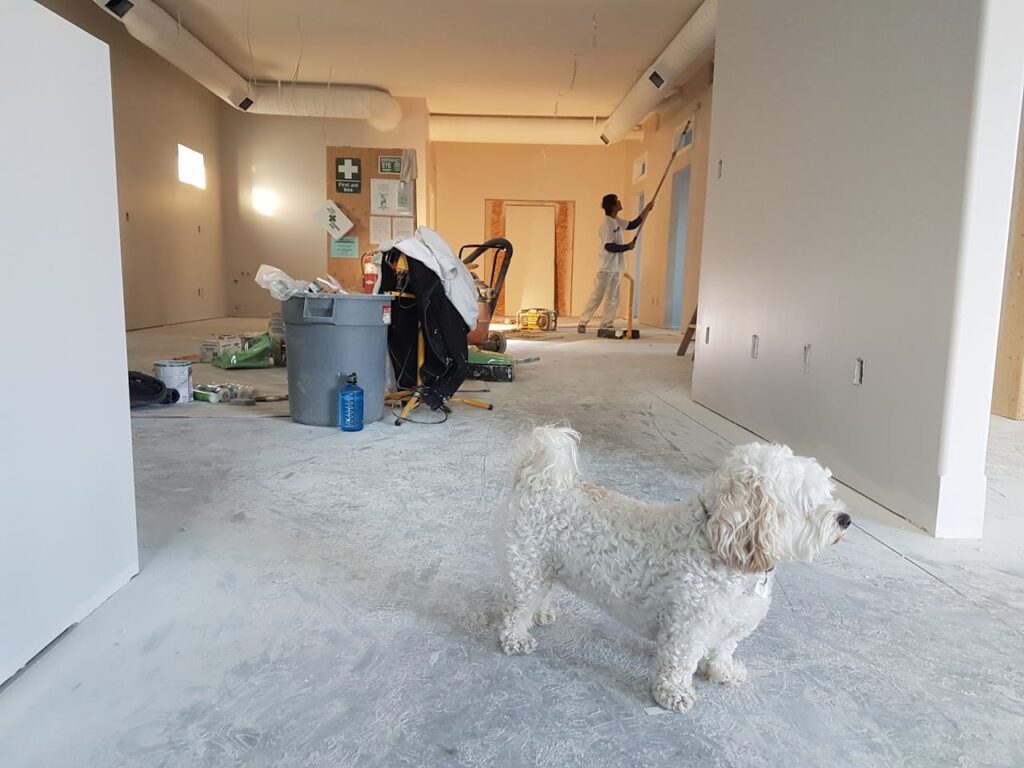
A peaceful environment makes repair tasks far easier. Clearing extra objects from the area gives you space to move with ease. Good lighting helps you see important details, reducing strain and improving accuracy.
A clean surface prevents tools from rolling away and keeps parts organized. A quiet setting allows you to focus without interruptions.
Simple adjustments, like placing a small mat for comfort or using a portable light, can make hours of work feel lighter. A neat space supports a steady rhythm and minimizes distractions that lead to mistakes.
Home repairs become far less overwhelming when broken into manageable steps supported by calm habits. Clear inspection, simple materials, organized tools, regular maintenance, and guided learning create a grounded, steady approach.
Each technique helps reduce stress and builds confidence. With patience and structure, even challenging tasks feel more approachable. A thoughtful mindset transforms repairs from chaotic chores into achievable victories that strengthen your connection to your home.