
This post may contain affiliate links. I only recommend products I use and love. Read the full disclosure here
Updated on: March 12, 2026
Originally published on: March 12, 2026
Travel has a way of sharpening the senses. New streets, unfamiliar rhythms, the quiet thrill of figuring things out as you go. It’s part of the appeal. Learning a few travel safety tips before you leave can help you feel more confident and prepared when exploring unfamiliar places. Confidence on the road usually comes from a few steady habits you can lean on when you’re far from home.

Safety doesn’t have to feel heavy or limiting. Most of it shows up in simple choices: how you prepare, how you read a situation, and how willing you are to trust your instincts. Done well, it fades into the background, and you get to focus on the good stuff.
Research Your Destination Beyond the Highlights
Guidebooks and social feeds are great at selling the dream. They’re less helpful with the small realities that shape your day once you arrive.
Before you go, look into local customs, especially around dress and social behavior. In some places, what feels casual at home can draw the wrong kind of attention or come across as rude. A little context helps you settle in faster.
Then get specific. Which neighborhoods are totally fine in the afternoon but feel different once it’s dark? What scams are travelers actually running into right now? Fresh, firsthand accounts are usually your best source here because they share the little warnings and workarounds the official sites leave out.
Practical Safety Habits Every Traveler Should Build
On the road, safety is rarely about one big decision. It’s the small habits you repeat without thinking.
Start with awareness. You don’t need to be tense or suspicious, just present. Keep your phone use in check in crowded areas, pause before you step into a new space, and pay attention to the vibe. If something feels off, listen to that.
Your belongings matter, too. Spread out valuables, use bags that close securely, and keep expensive items low-key when you can. The goal isn’t to hide, it’s to avoid looking distracted.
Transportation is another easy place to stay smart. Check reviews for ride services, confirm the route before you get in, and trust your gut if a driver or situation feels wrong. With accommodation, keep it simple: lock up, know where exits are, and be careful about who you let into your room.
Preparing Before You Go: Documents, Contacts, and Backup Plans
A little prep can save you a lot of stress later. It’s the kind of work you hope you’ll never need, but it’s reassuring to have it done.
Start with documents. Keep secure digital copies of your passport, visas, insurance details, and key bookings, with offline access if possible. It also helps to share a basic itinerary with someone you trust, especially on longer trips.
Next, refresh your emergency contacts. Know how to reach local emergency services, your embassy or consulate, and your accommodation. Write them down somewhere you can find quickly.
Insurance is another box people tick without reading. Beyond medical coverage, it’s worth understanding what support options exist if something serious happens. Being informed about resources and legal options available to survivors can be part of that preparation, even if you never expect to use them.
Trusting Your Instincts and Knowing When to Seek Help
Instinct is a travel skill, and it’s usually quiet. It’s the unease you can’t explain, the feeling that a situation is drifting, the sense that you should leave now rather than later.
Travel encourages openness, but discomfort is information. If a conversation turns intrusive, a setting feels wrong, or plans start moving in a direction you didn’t agree to, step back. You don’t owe anyone your time or a detailed explanation.
It also helps to know where you can ask for support. Sometimes it’s informal: the front desk, a busy café, a shop owner, a friend back home. In urgent situations, local authorities or emergency services may be the right call. Reaching out early keeps your options open.
What to Do If Something Goes Wrong While Traveling
Even with good preparation, things can go sideways. When that happens, your first priority is your immediate safety and well-being.
Get yourself somewhere secure. That might mean returning to your accommodation, stepping into a busy public place, or staying close to people you trust. From there, take practical steps. Seek medical care if it’s needed. Write down what happened while details are fresh, and keep anything that could matter later: messages, receipts, booking confirmations, photos.
Using Support Resources to Regain Confidence on the Road
After a difficult experience, confidence can take time to come back. That’s normal. It often returns through small choices and the support you let yourself accept.
Support looks different for everyone. For some people, it’s talking with someone they trust. For others, it’s professional help, medical, emotional, or practical. There’s no single correct response.
It can also help to adjust how you travel for a while. Slow the pace. Choose accommodation with good staff presence. Plan days that feel predictable. Those choices can help you feel steady again.
Learning From Experience and Traveling Forward With Confidence
Every trip teaches you something, including the messy ones. Over time, those lessons show up in practical tweaks. You might choose better-lit routes at night, keep plans simpler when you’re tired, or build in more downtime.
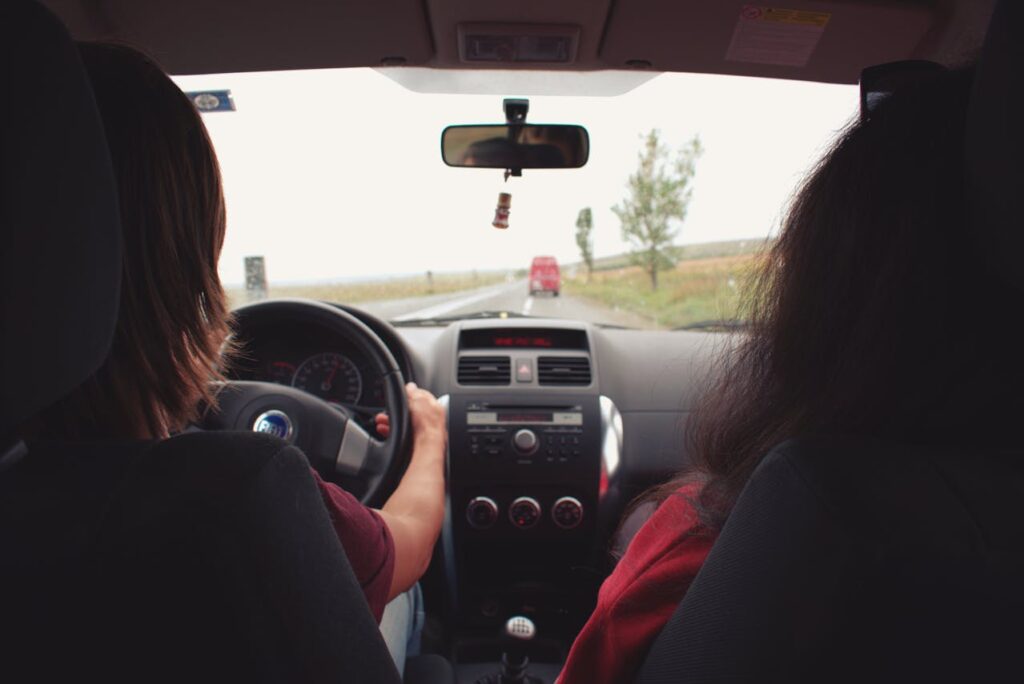
On longer drives, a little planning goes a long way. Keeping road trip essentials, including a car emergency kit, in the car can cut down on stressful detours and last-minute scrambling.
Travel doesn’t ask for perfection. It asks for presence, flexibility, and a willingness to learn as you go. Those skills sharpen with every trip, and confidence follows, one solid decision at a time.