
This post may contain affiliate links. I only recommend products I use and love. Read the full disclosure here
Updated on: March 16, 2026
Originally published on: March 16, 2026
A custom suit is more than formal clothing. It is an investment in personal style, comfort, and professional appearance. If you’re wondering what to look for when buying a custom suit, understanding the details that separate high-quality tailoring from standard retail garments can make a major difference.
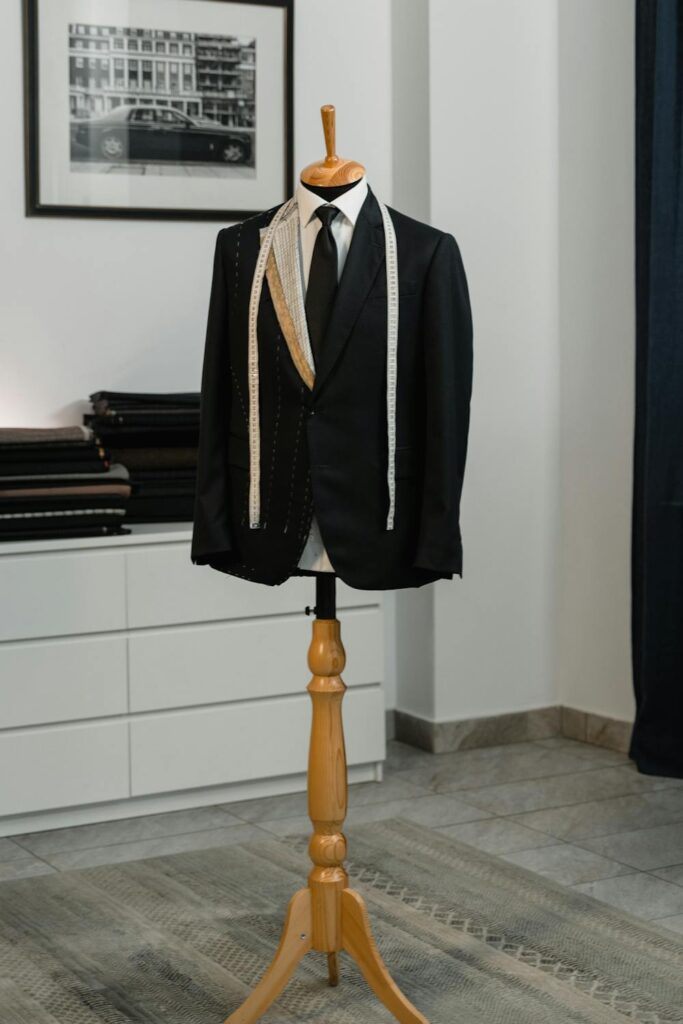
Unlike mass-produced suits, a well-made suit is designed specifically for the wearer’s body and preferences. The best tailors focus on a combination of accurate measurements, premium fabrics, skilled craftsmanship, personal consultation, and timeless design.
1. Precise Measurements and Tailored Fit
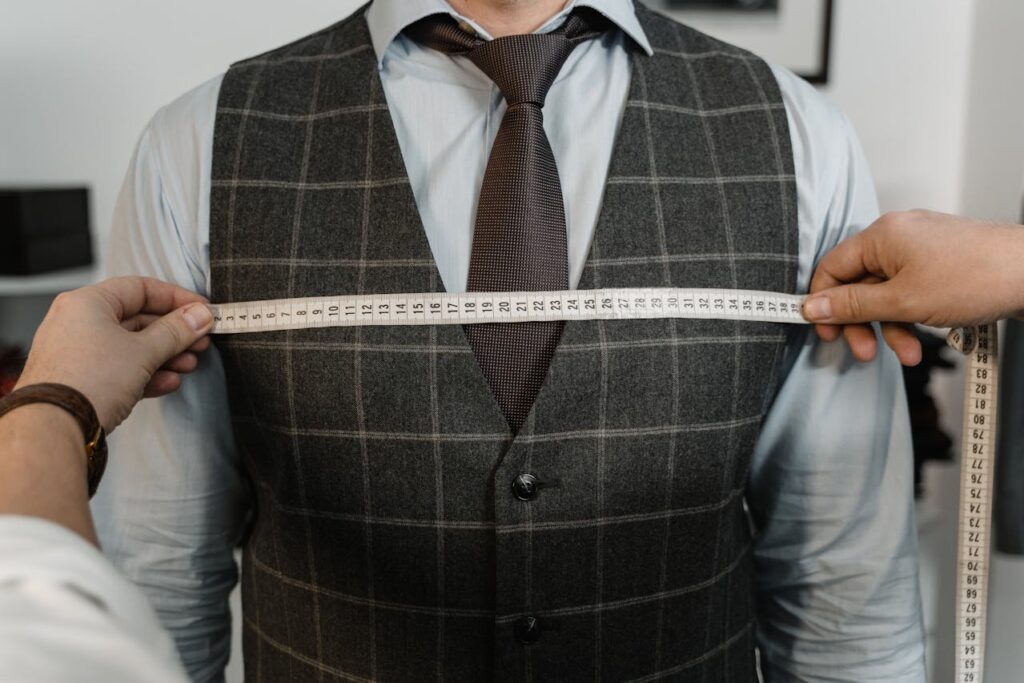
The foundation of any great custom suit is accurate measurement. Experienced tailors take detailed measurements from multiple points on the body to create a garment that fits naturally and comfortably. Tailors such as Alan David Custom and other respected tailoring houses rely on this detailed process to ensure that each suit matches the client’s proportions.
This approach goes far beyond the standard sizes used in department stores. Tailors measure shoulder width, chest circumference, arm length, waist, and posture to build a suit pattern that fits the individual.
As a result, the suit drapes smoothly across the body without the common issues of tight shoulders, excess fabric, or poorly aligned sleeves. Small adjustments based on how a person stands or moves, make the final garment both comfortable and polished.
2. High-Quality Natural Fabrics
Fabric selection is another key factor when choosing a bespoke suit. Premium suits are typically made from natural materials such as wool, cotton, silk, and linen. These fabrics provide better breathability and comfort compared to synthetic alternatives.
Natural fibers also help regulate body temperature and allow air to circulate, which makes them suitable for long hours of wear in different climates. High-quality wool, for example, maintains its structure and shape over time, while cotton resists wrinkling and retains its clean appearance.
Reputable tailors source their textiles from established mills known for consistent quality. These mills combine traditional craftsmanship with modern technology to produce fabrics that are durable, elegant, and long-lasting. Because natural materials absorb dyes more effectively, they also display deeper and more consistent colors.
3. Handcrafted Details and Finishing
Another sign of a well-made suit is the presence of handcrafted elements. Skilled tailors often rely on hand sewing for specific details that machines cannot replicate with the same precision. Hand-stitched buttonholes, for instance, provide stronger construction and a more refined look.
The shaping of lapels and collars also requires careful attention. Through pressing and hand stitching, tailors create the proper structure so the jacket sits correctly on the shoulders and chest. These techniques contribute to the elegant roll of the lapel and the overall balance of the garment.
Even the lining is typically attached using specialized methods that allow the fabric to move naturally with the body. Final pressing is done with professional equipment to shape seams and edges, giving the suit its crisp and polished appearance.
4. Personalized Consultation and Service
A strong consultation process is an important part of buying a custom suit. Tailors take time to understand the client’s lifestyle, style preferences, and the occasions where the suit will be worn. During this stage, they guide customers through options such as fabric types, lapel styles, button configurations, and overall cut.
The consultation also includes detailed measurements and discussions about fit preferences. Some clients prefer a slimmer silhouette, while others prioritize comfort and ease of movement. By understanding these preferences, the tailor can create a suit that reflects the wearer’s personality and needs.
This level of personal attention is what distinguishes custom tailoring from standard retail experiences. Clients receive expert advice and individualized service, resulting in a garment that truly fits both their body and style.
5. Timeless and Versatile Design
A quality suit should remain stylish for many years. Instead of focusing on short-term trends, skilled tailors emphasize classic proportions and balanced designs that stay relevant across different occasions.
Neutral colors such as navy, charcoal, and medium gray are commonly recommended because they work well in professional and formal settings. These shades pair easily with different shirts, ties, and accessories, making the suit more versatile.
Proper lapel width, jacket length, and trouser cut also contribute to longevity. When these proportions are balanced, the suit maintains a modern yet timeless look. With simple changes in accessories, the same suit can transition from a business meeting to an evening event or formal celebration.
Conclusion
In the end, buying a custom suit is about choosing quality, comfort, and durability. By paying attention to precise measurements, fabric quality, craftsmanship, consultation, and classic design, buyers can ensure they receive a garment that reflects their style and serves them well for many years.