
This post may contain affiliate links. I only recommend products I use and love. Read the full disclosure here
Updated on: September 29, 2025
Originally published on: September 29, 2025
Homeownership comes with numerous responsibilities, and maintaining the roof over your head is one of the most crucial. A well-maintained roof protects your home from the elements and enhances its value. Being aware of roof safety tips and safety practices associated with roof maintenance can prevent accidents and ensure proper upkeep.
From simple inspections to understanding when to call a professional, homeowners need to be informed about roof safety. Below are comprehensive tips that every homeowner should consider when tackling roof-related tasks.
Conduct Regular Inspections
Conducting regular inspections is fundamental to maintaining roof safety and integrity. It is advisable to perform inspections at least twice a year, preferably in early spring and fall, to check for any signs of damage or wear. Look for cracked shingles, rust spots, or any areas where debris may be collecting. Checking for moss or algae growth is crucial, as this can lead to moisture retention and eventual damage.
It is important to assess the flashing around chimneys and vents, as deteriorating flashing can compromise the roof’s waterproofing abilities. Homeowners should inspect the gutters to ensure they are free of any debris that could prevent proper water drainage from the roof. While many homeowners can perform these checks personally, consulting a professional can provide deeper insights into hidden issues.
Use Proper Safety Gear
Using proper safety gear is important when performing any work on your roof. Homeowners should never underestimate the dangers associated with roof maintenance and repairs. If climbing onto the roof, wearing non-slip shoes is crucial to prevent falls. A safety harness can offer additional protection, especially for those new to roof work. Tools like ladders should be securely placed and inspected before use. A sturdy ladder can prevent accidents when getting onto the roof.
For tasks beyond simple inspections, consider employing a professional contractor who is familiar with safe practices. Familiarity with safety procedures ensures that tasks are performed without jeopardizing personal safety or causing property damage. Calling a roofing professional is especially advisable for those who feel uncertain about their skills or safety while working at heights.
Be Aware of Weather Conditions
Weather conditions play a critical role in roof maintenance and repair safety. Wet, windy, or icy conditions can create hazardous environments for anyone working on a roof. It’s important to assess the weather forecast before attempting any roof work and to avoid engaging in maintenance tasks during inclement weather.
Wet roofs can be slippery and increase the likelihood of accidents. High winds may affect balance and stability while performing repairs or installations. In snowy conditions, the weight of snow on the roof can pose risks in terms of structural integrity and personal safety.
Homeowners should know that waiting for optimal weather conditions to perform any work is not only wise but can be beneficial for the roof itself. Should severe storms or bad weather be predicted, it is prudent to schedule comprehensive inspections and necessary repairs in advance to avert future complications. Ensuring a proper understanding of weather patterns can enhance safety and ensure the roof remains in good condition.
Seek Professional Help
There comes a time when homeowners should seek professional help for roof maintenance or repair, particularly for extensive damage or complicated jobs. Understanding one’s limitations is key. If a task seems too daunting or requires specialized skills, it’s always better to call an expert.
Professional roof contractors have the expertise, tools, and safety training necessary for conducting repairs effectively and securely. Homeowners can avoid the risk of accidents that may arise from improper DIY repairs by opting for trained professionals.
Keeping on top of regular maintenance can extend the lifespan of the roof and save homeowners money in the long run. Roofing professionals carry liability insurance, which protects homeowners in case of unforeseen incidents while work is in progress. Those interested in professional roofing guidance can discover more information here or on similar platforms, on best practices. Homeowners can find reliable services by researching local contractors or checking reviews.
Maintain Trees and Vegetation
Overhanging branches and nearby trees can pose significant risks to a roof. High winds and storms can cause branches to break, resulting in damage to the roof’s structure. Homeowners should regularly trim any branches that hang close to or over the roof to minimize the risk of damage. Fallen leaves and debris can accumulate in gutters and valleys, leading to moisture build-up and potential leaks.
A proactive approach in maintaining surrounding vegetation can prevent unnecessary wear and tear on your roofing materials. It is advisable to keep a perimeter around the house clear of any tall plants that could eventually reach the roofline.
If significant tree trimming or removal is necessary, hiring a professional arborist can ensure that it is done safely and effectively. Regular upkeep promotes roof safety and enhances the property’s aesthetic appeal as well as prevents potential hazards that could lead to costly repairs.
Install Proper Ventilation
Effective roof ventilation is often overlooked, yet remains important for maintaining a healthy roof. Proper ventilation helps to regulate temperature and moisture levels in the attic space, preventing condensation that can lead to mold growth and deteriorating materials over time.
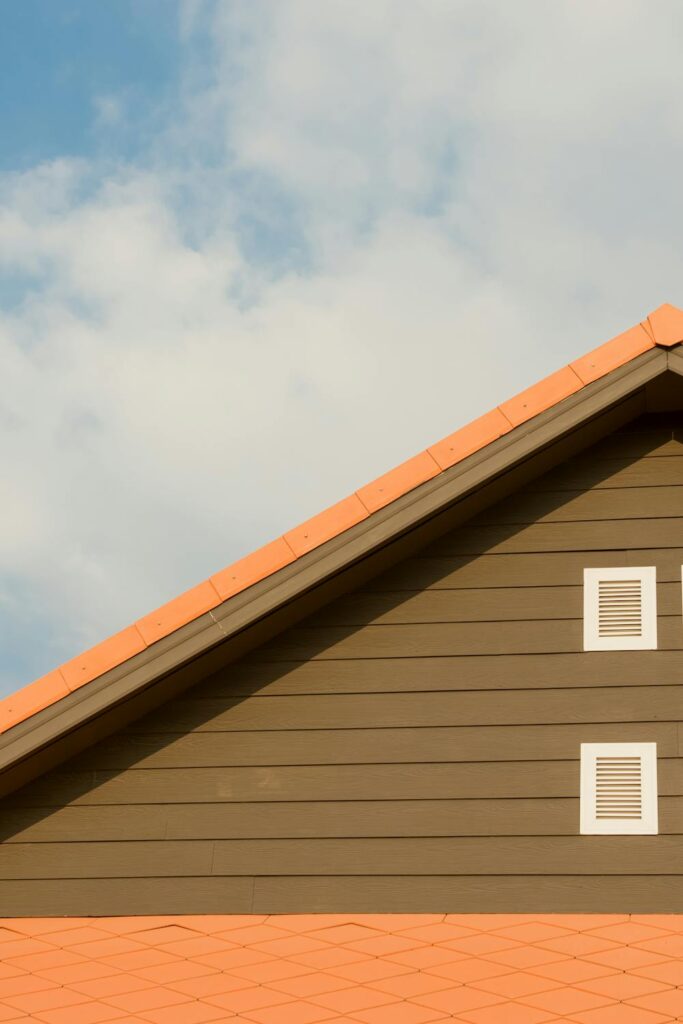
Homeowners should ensure that their roofs have adequate ventilation systems, including ridge vents, soffit vents, and gable vents, to facilitate airflow. A well-ventilated roof helps to protect shingles from heat damage, which can shorten their lifespan significantly.
During roofing upgrades, considering a ventilation system could save on future replacement costs. Homeowners can consult roofing professionals for advice on the optimal setup for their specific needs. Ensuring that intake and exhaust vents are not obstructed will ensure proper airflow and encourage a longer lifespan for the entire roof system.
Understanding Roof Lifecycle
Every roofing system comes with a defined lifecycle, and understanding this can help homeowners anticipate needs and costs associated with roof maintenance. Typically, asphalt shingles last around 20 years, while metal roofs can last up to 50 years. Understanding these lifecycles allows homeowners to prepare financially for repairs and replacements. It is important to regularly assess the condition based on the roof’s age, weather exposure, and maintenance history.
Keeping track of repairs, inspections, and seasons of heavy storms can help inform decisions on whether to repair or replace. Knowing how different climates affect roofing materials can guide homeowners in selecting the ideal products for replacements when the time comes. Recognizing when to address necessary repairs can aid in maximizing your investment and ensuring the longevity of your roof.
Understanding important safety practices and the importance of proactive maintenance can keep homeowners secure while extending their roof’s lifespan. Regular inspections, proper gear, and professional assistance are just a few key strategies to ensure safety and effectiveness. Being informed empowers homeowners to protect their investments and enhance their living spaces.