
This post may contain affiliate links. I only recommend products I use and love. Read the full disclosure here
Updated on: September 28, 2025
Originally published on: September 28, 2025
Signs it’s time to repair your roof should never be ignored. Your roof does more than cap off your home; it provides protection, insulation, and structural stability. Despite this critical role, many homeowners overlook the early warning signs of roof deterioration until it’s too late. Small problems can escalate quickly, leading to costly repairs or even full replacement.
Learning to recognize when your roof needs attention is key to preventing long-term damage, preserving your property’s value, and ensuring the safety of your household.
Visible Shingle and Flashing Damage
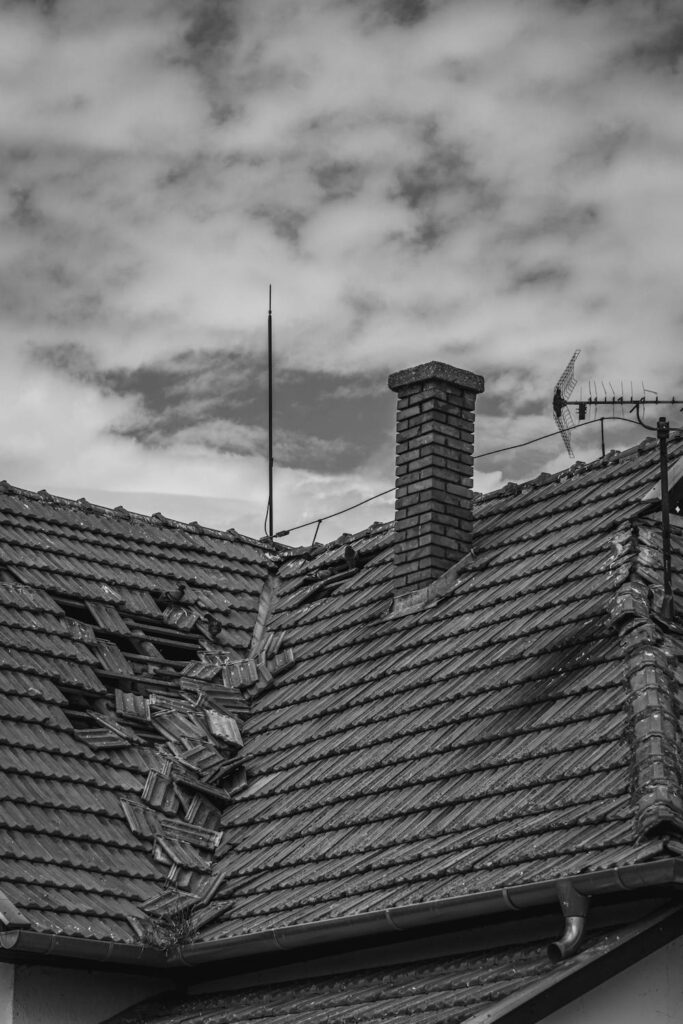
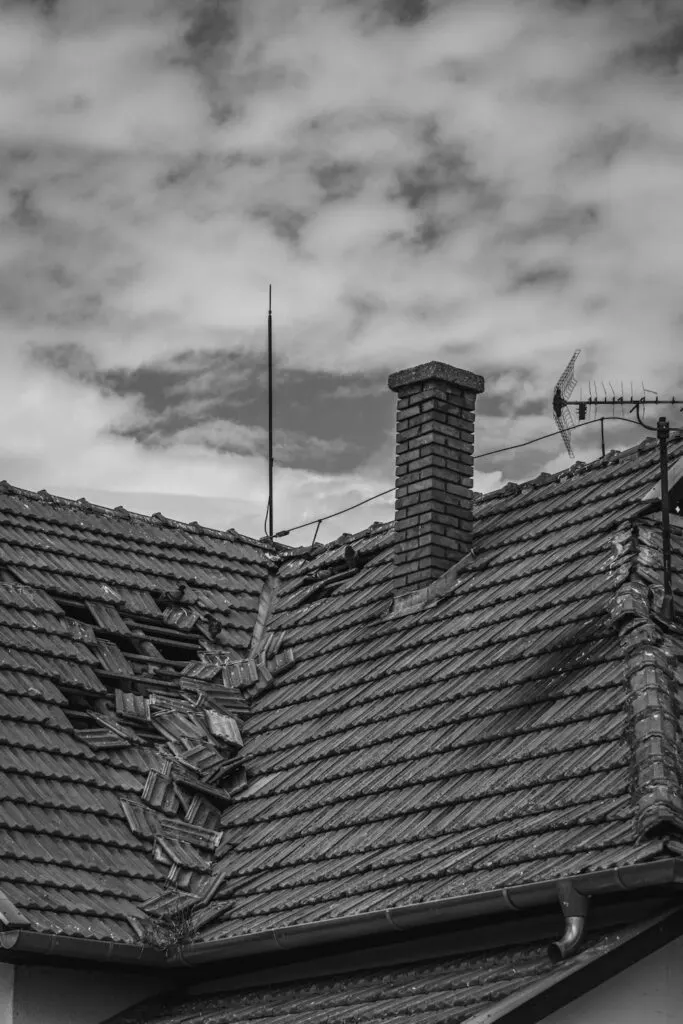
Shingles act as the first defense against the weather, while flashing seals vulnerable areas around chimneys, skylights, and vents. When these materials fail, your roof’s ability to protect your home is compromised. Curling, cracked, or missing shingles let in water, leading to leaks and rot beneath the surface.
Likewise, rusted, bent, or loose flashing provides an entry point for moisture. Partnering with experienced roofing contractors helps homeowners identify these issues before they spread. A thorough inspection and targeted repair ensure that what might begin as a small surface flaw does not become a widespread structural concern.
Water Leaks and Interior Stains
One of the clearest signals that roof repairs are needed is water intrusion inside the home. Stains on ceilings, damp patches in attics, or bubbling paint can all trace back to a compromised roof. Even minor leaks should not be ignored; water can travel far from its entry point, making the source difficult to detect.
Left unresolved, leaks cause mold growth, weaken support beams, and damage insulation. Swift repairs eliminate the leak itself and protect the integrity of your home’s interior, and reduce the risk of respiratory health issues caused by mold and mildew.
Structural Weakness and Sagging Sections
A sagging roof is more than a cosmetic issue; it’s a potential safety hazard. Sagging often occurs when water has weakened the decking or when the underlying supports can no longer bear the load. In snowy climates, the extra weight of ice and snow can make the problem worse.
Once sagging begins, the structure may deteriorate quickly, sometimes leading to partial collapse. Homeowners should keep an eye on rooflines from the ground; any uneven dips or waves in the structure indicate a need for professional inspection and likely repair.
Granule Loss and Aging Roof Materials
Asphalt shingles gradually lose their protective granules, which shield them from sun damage and harsh weather. If you notice an unusual accumulation of granules in gutters or around downspouts, it’s a sign your roof may be nearing the end of its lifespan.
Without this protective coating, shingles become brittle, crack easily, and fail to repel water. While granule loss is common as roofs age, excessive shedding can result from storm damage. Evaluating the extent of the loss helps determine whether localized repair or full replacement is necessary.
Rising Energy Bills and Indoor Comfort Issues
A roof in poor condition doesn’t just invite water; it can drain energy efficiency as well. Gaps, leaks, or inadequate insulation in a compromised roof allow heat to escape during winter and cool air to leak out in summer.
This forces HVAC systems to work harder, leading to higher energy bills. If your utility costs have spiked without any major lifestyle changes, your roof could be part of the problem. Repairs that restore insulation and seal weak points reduce energy waste, lower costs, and create a more comfortable indoor environment year-round.
Moss, Algae, and Mold
Moss, algae, and mold on your roof may not seem urgent, but these growths trap moisture and accelerate shingle deterioration. Moss, in particular, holds water against the surface, leading to rot and structural weakening.
Mold signals prolonged dampness and can spread to interior spaces, posing health risks. Algae, while primarily aesthetic, shortens the life of shingles if left unchecked. Regular cleaning and timely repairs prevent these biological growths from taking hold, extending the life of your roof while maintaining curb appeal.
Age and Lifespan of Your Roof
Every roofing material has a projected lifespan, and once your roof approaches that limit, repairs become increasingly important. Asphalt shingles typically last 20 to 25 years, metal roofs 40 to 70 years, and tile or slate roofs even longer with proper care.
An older roof, even without obvious damage, is more susceptible to sudden failure during severe weather. Homeowners should track installation dates and schedule inspections as roofs near their expected lifespan. Proactive maintenance at this stage can prevent unexpected breakdowns and prepare you for eventual replacement on your own timeline, rather than in an emergency.
Gutter Issues and Roof Edge Damage
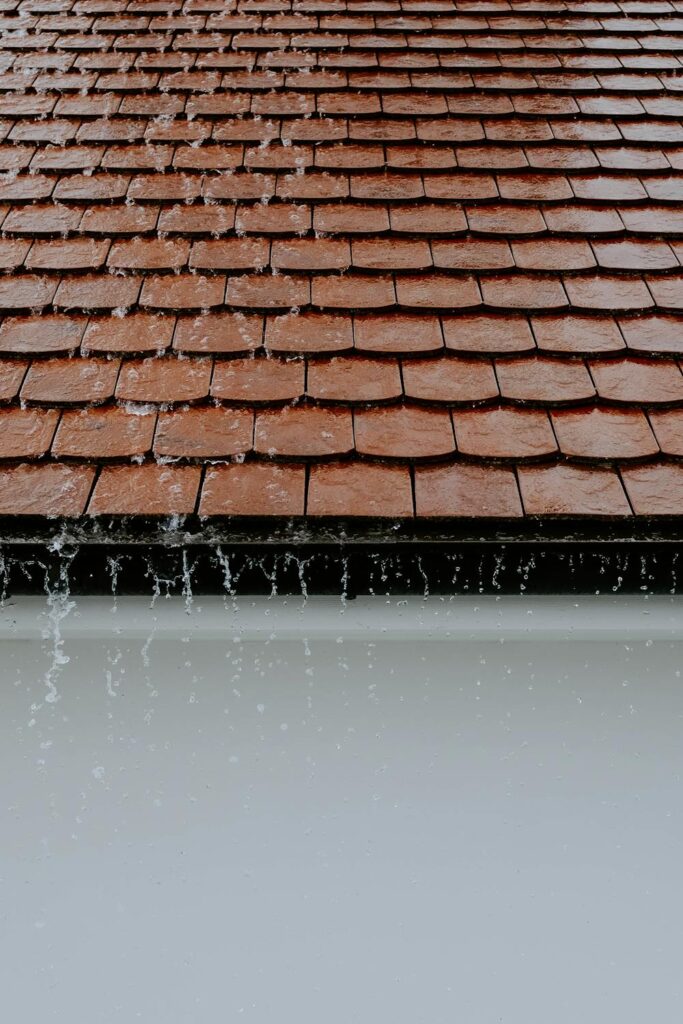
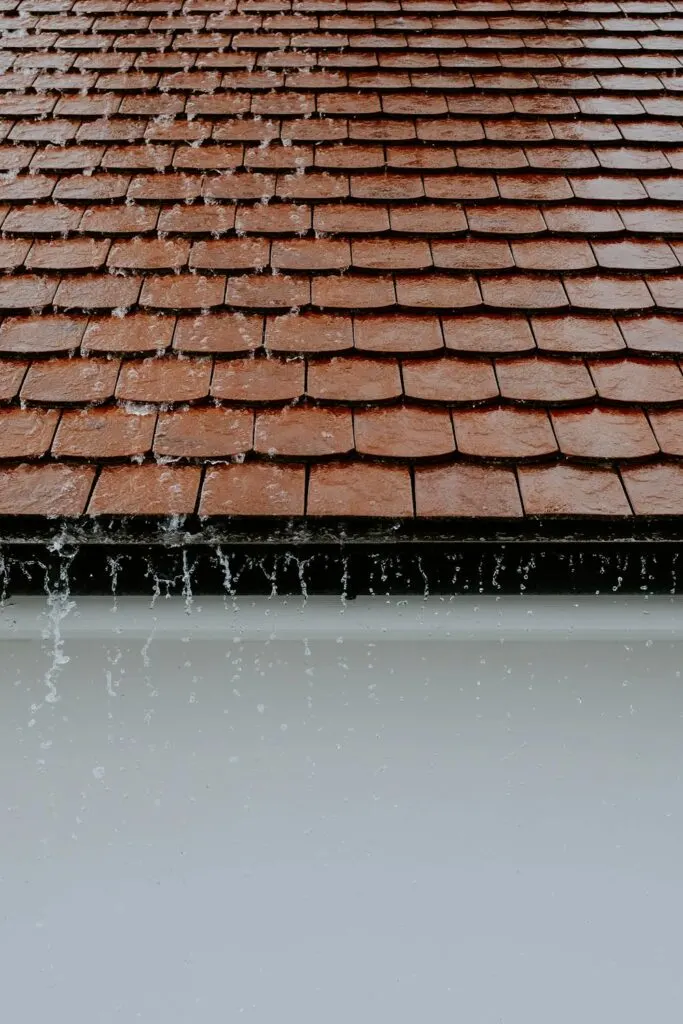
Gutters and roof edges are critical in channeling water away from your home. When gutters sag, clog, or pull away from the house, they can allow water to pool on the roof and seep beneath shingles.
Likewise, deteriorated or damaged edges make it easier for water to penetrate and cause rot. Routine maintenance, including cleaning gutters and checking roof perimeters, ensures that water is diverted safely. Prompt repairs keep your drainage system functioning and reduce the risk of roof or foundation damage caused by standing water.
Storm-Related Problems and Unusual Noises
Severe weather often leaves behind damage that may not be immediately visible. After heavy winds, hail, or storms, it’s wise to check for missing shingles, dents, or loosened components. In some cases, you may hear rattling or flapping noises during high winds, indicating that shingles or flashing are loose.
These problems weaken the roof’s defense and can escalate quickly if not addressed. Scheduling a post-storm inspection ensures that hidden issues are repaired before they lead to major leaks or failures.
Professional Inspections and Long-Term Protection
While homeowners can spot many of the signs listed above, some roof problems remain hidden until they cause serious damage. Regular professional inspections every one to two years, or after major weather events, help detect issues early.
Specialists have the tools and expertise to identify subtle weaknesses, provide maintenance recommendations, and determine whether repairs or replacement are needed. Investing in these inspections offers peace of mind and extends the life of your roof.
Your roof is a cornerstone of home protection, and neglecting it can lead to expensive and avoidable damage. From shingle loss and water leaks to sagging structures and rising energy bills, the warning signs of roof trouble should never be ignored. Moss, algae, and storm-related issues further compromise its strength, while aging roofs naturally require more frequent attention. Partnering with professional contractors ensures that these problems are addressed promptly and effectively. By paying attention to your roof’s condition and scheduling regular inspections, you safeguard your home, protect your investment, and maintain comfort for years to come.