
This post may contain affiliate links. I only recommend products I use and love. Read the full disclosure here
Updated on: January 12, 2026
Originally published on: January 12, 2026
A sudden emergency vet visit can turn an ordinary day upside down. Knowing what to expect ahead of time can save stress, time, and money when it matters most.

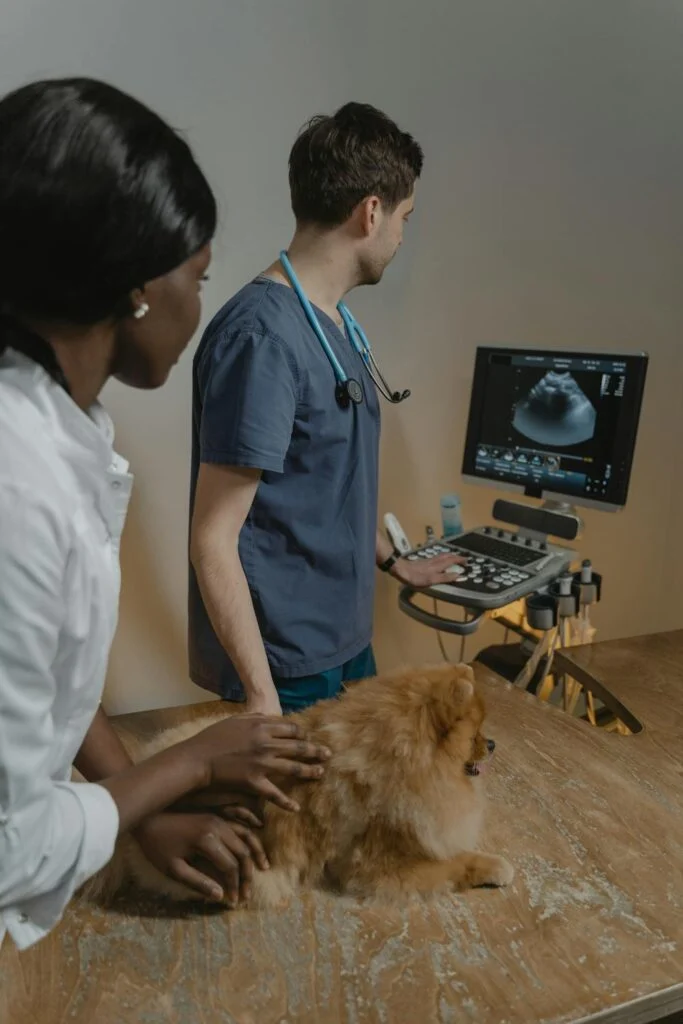
If your pet gets injured or falls ill without warning, everything shifts fast. You may go from a quiet evening on the couch to searching for the fastest path to an emergency vet visit, trying to make decisions while emotions run high. These moments are stressful for any family, and the worry over your pet’s health often comes alongside another shock that many owners are unprepared for: the cost of urgent veterinary care.
Emergency vet visits are far more common than most pet owners realize, and they can be expensive. The average visit can range from $500 to over $2,000, depending on what your pet needs, and procedures like surgery or hospitalization can push the total even higher. With prices continuing to climb nationwide, a late-night emergency can feel overwhelming in every way.
But a little preparation can make a big difference. Knowing what to expect before something happens helps you act quickly and confidently when your pet needs you most.
Why Emergency Vet Visits Are So Costly
Emergency clinics are equipped to handle critical situations at all hours, and that level of care comes with higher operating costs.
You’re paying for:
- 24/7 veterinary staff
- Access to diagnostics like X-rays and blood work
- Advanced tools for trauma or surgery
- Overnight monitoring or hospitalization
Because emergencies require immediate attention, clinics must be fully staffed and ready, even for rare or complex cases. That preparedness is part of the price.
Common Pet Emergencies (and What Causes Them)
Not every emergency can be avoided, but many begin with routine hazards at home or sudden changes in a pet’s condition. Veterinarians often treat pets who’ve taken in something toxic or impossible to digest, like a plant, a dropped treat, or a toy that becomes lodged in the gut.
Seasonal dangers also play a role. Heatstroke is a frequent summer emergency, particularly in breeds with heavy coats or short noses. Some conditions, like bloat or other gastrointestinal trouble, can show up with no warning at all and need fast treatment. Allergic reactions and sudden breathing problems can move just as quickly, often leaving pet owners scrambling to get help.
What to Do in the First Few Minutes of a Pet Emergency
Those first moments are when panic can set in, but having a plan helps you stay grounded.
- Stay calm and assess your pet’s breathing, bleeding, or ability to move.
- Call your vet or the nearest emergency clinic before leaving home. They can tell you what to bring and prepare the team for your arrival.
- Transport your pet safely, especially if they’re injured or in pain.
- Bring medical details such as medications, allergies, or recent test results.
Quick action not only helps your pet, but it may also reduce the complexity and cost of care.
How to Prepare Before an Emergency Ever Happens
You can’t predict when your pet will need urgent help, but you can set yourself up to respond quickly. A good first step is saving your veterinarian’s after-hours instructions in your phone so you’re not scrambling when the clinic is closed. It also helps to know which emergency hospital is closest to your home and how long the drive takes, especially during busy times of day.
Many pet owners put together a small first-aid kit with basics like bandages, gauze, and hydrogen peroxide, which should only be used under veterinary guidance in poisoning cases. Just as important is understanding your pet’s normal behavior, appetite, and energy level so you can spot changes early.
These simple preparations take only a few minutes but can save valuable time when every second counts.
Understanding Your Payment Options When the Unexpected Happens
One of the most significant stressors during emergencies is the financial side. Even pet owners with pet insurance may need to pay costs upfront and wait for reimbursement. And for many families, covering the entire bill on the spot isn’t always possible.
That’s why many clinics now offer flexible payment options. Some partner with third-party platforms, which allow pet owners to get their pets treated immediately and then pay the bill in smaller monthly installments. This option is beneficial when an emergency hits at the worst possible moment.
Not every clinic offers the same choices, so it’s smart to ask during your next routine visit. Knowing your options ahead of time gives you more control during a crisis.

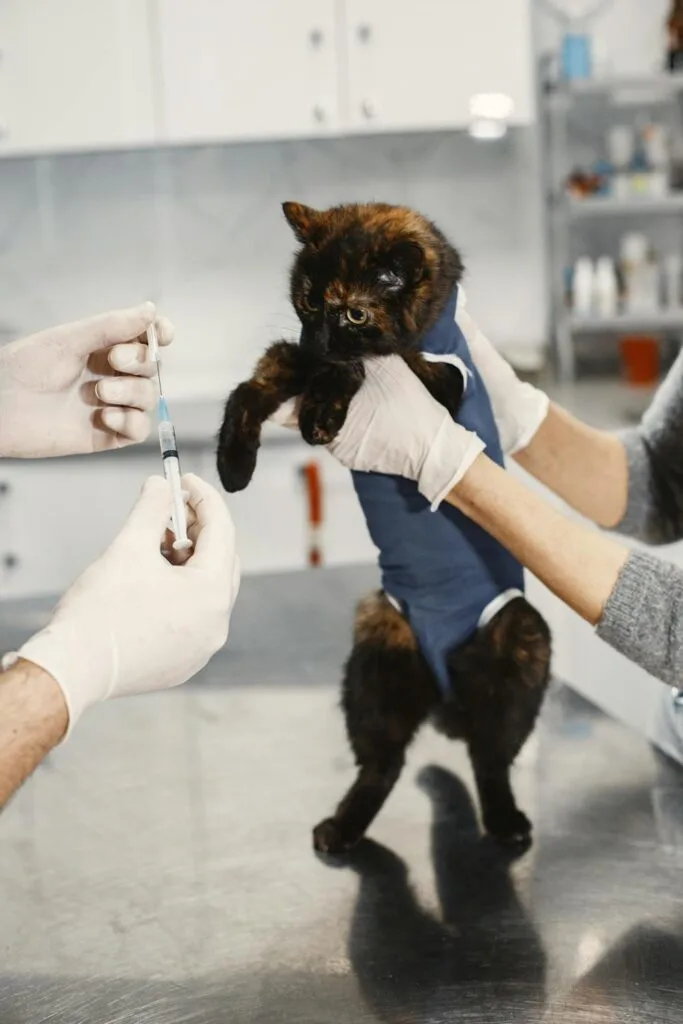
Questions to Ask Your Vet Today
These simple questions can save you from stress later:
- Do you offer payment plans for unexpected or emergency care?
- Which emergency hospital do you recommend after hours?
- What should I expect in terms of costs if my pet needs to be transferred?
- Do you work with any financing options for larger bills?
Many practices are more flexible than their websites suggest, and some clinics even add financing tools based on client requests.
Final Thoughts
No pet owner wants to imagine their furry family member in an emergency, but planning is one of the best ways to protect them. When you understand the costs, know where to go, and have a financial plan in place, you’re not reacting out of fear—you’re making confident decisions that help your pet get the care they need.
A little preparation today can make all the difference when every second and every choice matters.