
Updated on: November 5, 2026
Originally published on: November 5, 2026
Almost everyone has that one bathroom drawer. Half-used serums, a face scrub that turned out to be way too harsh, three different moisturizers that were definitely going to get finished. It’s easy to assume that more products mean better skin, but that’s one of the most common skincare mistakes.
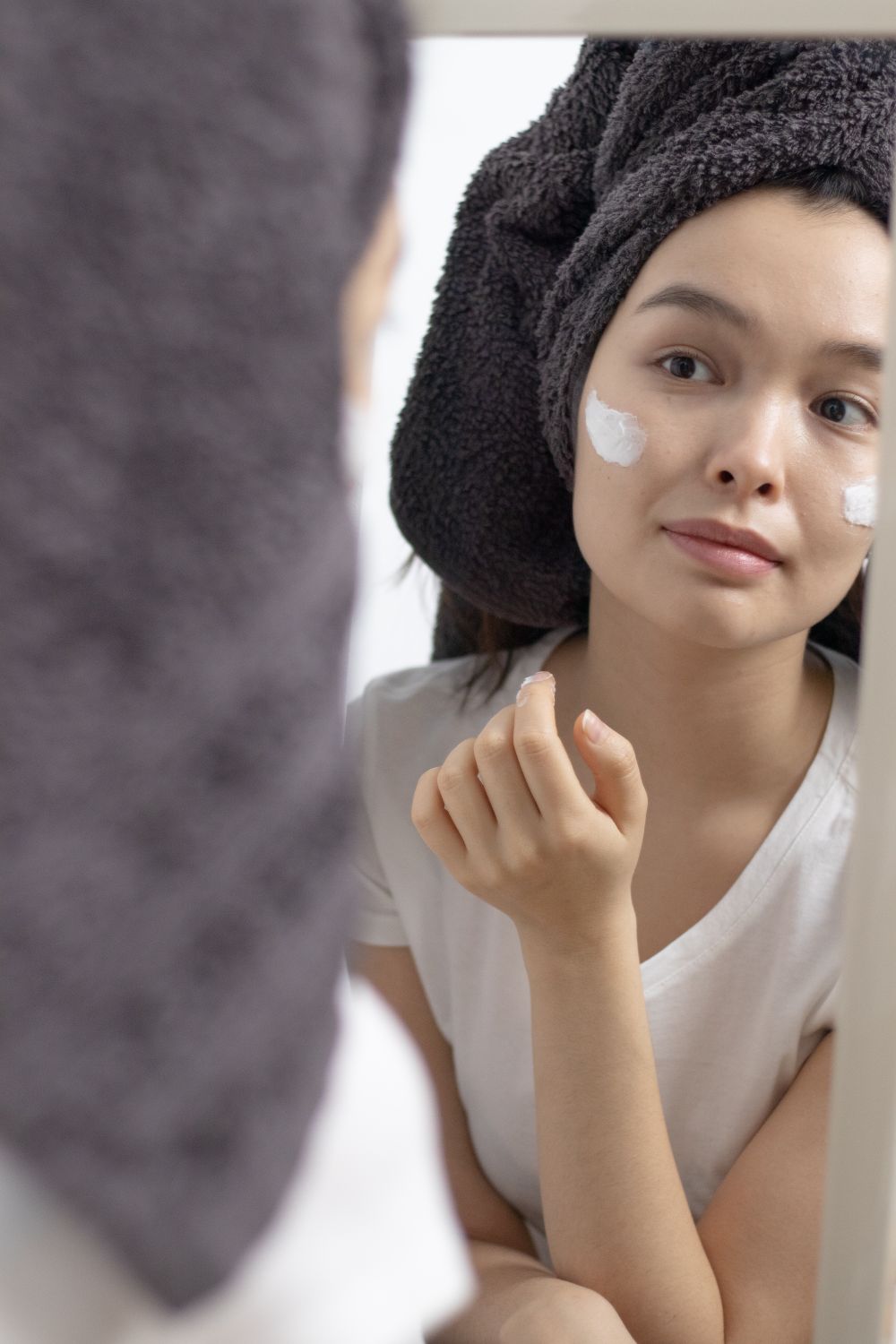
Most people make the same handful of mistakes at home, and the fixes are usually simple. Here are the ones that come up most often.
Scrubbing too hard
That squeaky, tight feeling after washing your face? It’s not clean; it’s irritated. Harsh scrubs and hot water strip away the oils your skin needs, and it often reacts by getting drier or oilier than before. Use lukewarm water, a gentle cleanser, and your fingertips. That’s plenty.
Skipping sunscreen
Yes, even on cloudy days. Yes, even in winter. Choose a broad-spectrum sunscreen with SPF 30 or higher that also offers water resistance. Sun damage builds up quietly over the years, and it’s behind most of the dark spots and early lines people try to fix later with expensive creams. A simple daily sunscreen on your face, neck, and the backs of your hands does more than almost anything else in your routine.
Trying too many new products at once
It’s a classic. Buy three new things, start them all on the same night, then wonder why your face is red. If something causes a reaction, there’s no way to tell which product is the culprit. Add one new thing at a time and give it a couple of weeks. Boring, but it works.
Treating every bump the same way
Not every spot on your skin is a pimple, and this is where home treatments often go wrong. Rough little growths on the hands, fingers, or feet are often warts, which come from a common virus (HPV) and can take a while to clear. Picking at them or scrubbing them away usually just irritates the skin and can help them spread.
Plenty of warts go away on their own, though it can take months. Some people start with salicylic acid from the pharmacy, while others look into a topical wart removal oil to use at home. Whichever way you lean, remember that “natural” doesn’t always mean gentle, and essential oils can irritate skin if they aren’t used carefully.
A pharmacist can point you in the right direction. And if a spot is painful, bleeding, changing shape or you simply can’t tell what it is, get it checked before you try anything. The same goes if you have diabetes, poor circulation, or a weaker immune system.
Picking at spots
It’s so tempting, honestly. But picking can push bacteria deeper, leave marks that last far longer than the spot itself, and sometimes cause scarring. If it’s really hard to leave alone, a small hydrocolloid patch works well. It keeps fingers busy and helps the spot heal.
Forgetting your hands and neck
So much care goes into the face, and then everything below the chin gets forgotten. Hands and necks show age and sun damage just as much. Whatever moisturiser and sunscreen you use on your face, bring it down to your neck and onto your hands too.

Using old or expired products
Skincare doesn’t last forever. Open products can grow bacteria, and active ingredients lose their strength over time. Over time, preservatives can break down, allowing bacteria and fungi to grow in skincare products. Check the little open-jar symbol on the packaging, which shows how many months a product is good for once opened. If it smells odd, looks different, or has separated, trash it.
Doing too much when your skin is already unhappy
When skin is red, stinging, or peeling, the instinct is to throw every product at it. Do the opposite. Strip the routine back to a gentle cleanser, a plain moisturiser, and sunscreen until things calm down. If it doesn’t settle after a couple of weeks, or it keeps coming back, a pharmacist or doctor can help work out why.