This post may contain affiliate links. I only recommend products I use and love. Read the full disclosure here
Updated on: March 11, 2026
Originally published on: March 11, 2026
The First Sip That Changes Everything
Most people remember their first real wine moment. Not just drinking wine at a dinner table or during a celebration. But that first sip is where something clicks. You pause for a second. The flavor lingers. And suddenly you realize there’s more happening in that glass than you expected. It’s often the moment people begin learning how to taste wine and notice flavors they never paid attention to before.
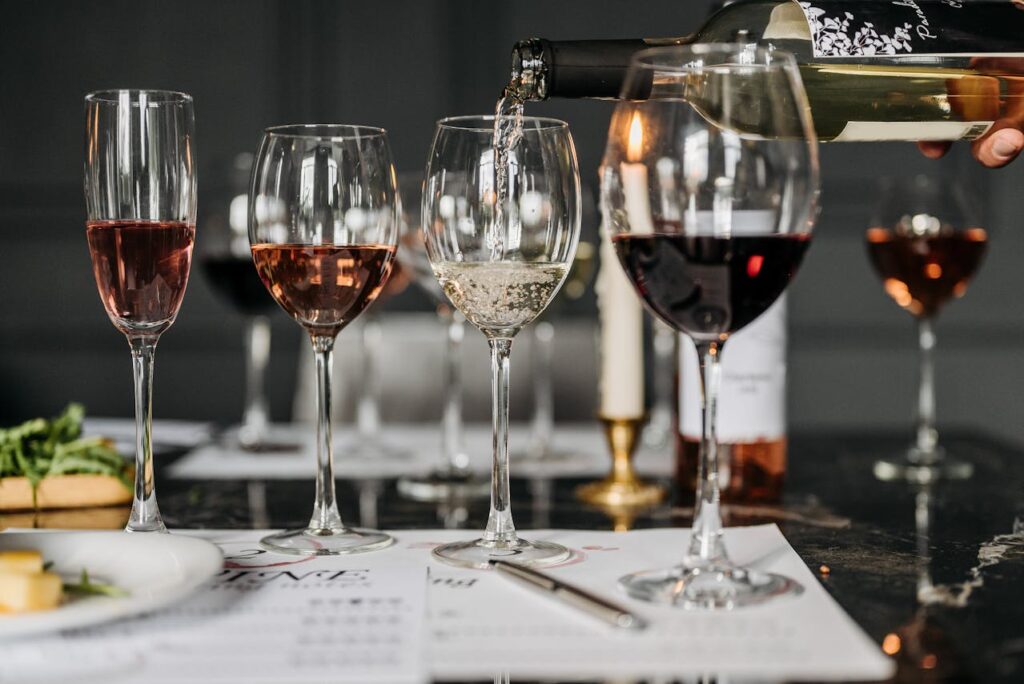
Maybe it’s a hint of cherry. Maybe a soft note of vanilla. Maybe something earthy you can’t quite name. Whatever it is, the moment feels a little surprising. A little exciting. Almost like the early spark of falling in love.
Exploring wine has that effect on people. It turns something simple into something layered and personal. One sip leads to curiosity. Curiosity leads to discovery. And before long, you’re paying attention in a way you never did before.
But here’s the thing. You don’t need to be an expert to feel that connection. You just need a bit of curiosity and the willingness to slow down.
So what makes experiencing wine feel so emotional in the first place? Let’s talk about it.
The Spark of Discovery
The first step in discovering wine often starts with surprise. You pour a glass expecting something ordinary. But then you notice the aroma. Maybe it’s bright and fruity. Maybe it smells like berries, citrus, or even fresh herbs. You swirl the glass and take a sip. And suddenly the flavors unfold in layers.
Sweet at first. Then a little tangy. Then smooth on the finish. It’s not just one taste. It’s an experience that changes as it sits on your palate. That moment of discovery is powerful because it’s unexpected. Most of us go through daily life without stopping to notice flavor in this kind of detail. Sampling wines invites us to do exactly that.
Think about it. When was the last time you paused to really examine what you were tasting? Exploring different wines gives you permission to slow down and pay attention. And once you start noticing those subtle differences, something shifts. You begin to realize that every bottle has its own personality. No two wines feel exactly the same.
That realization alone can turn casual drinking into a small adventure.
Slowing Down and Paying Attention
One reason tasting wine feels special is that it encourages mindfulness. The process itself invites you to pause.
First, you look at the color. Hold the glass up to the light. Notice whether it’s pale, deep ruby, or golden. Then, you swirl the glass gently. This releases aromas that might otherwise stay hidden.
Next comes the smell. And this step surprises many beginners. Aroma actually tells you a lot about a wine before you even take a sip.
Finally, you taste.
You let the wine sit on your tongue for a moment before swallowing. It’s a slower rhythm than most of us are used to. And that’s exactly why it works.
In a world where we rush through meals and check our phones constantly, taking time to explore wine encourages a different pace. You become present in the moment.
You notice the texture. The balance. The finish. It turns a simple drink into something thoughtful and sensory. And honestly, that shift alone can make the experience feel a little magical.
The Emotional Side of Flavor
Here’s something fascinating about wine. Flavor is deeply connected to memory. A certain bottle might remind you of a summer evening. Another might bring back memories of a vacation, a dinner with friends, or a quiet moment at home.
Why does that happen? Because taste and smell are strongly tied to the parts of the brain that process emotion and memory. When you encounter a familiar aroma or flavor, your brain instantly connects it to past experiences. That’s why exploring wine can feel surprisingly personal.
Two people might sample the same bottle and describe it completely differently. One person might notice plum and spice. Another might say it reminds them of chocolate or cedar. Neither person is wrong. They’re simply drawing from their own experiences and memories.
This personal interpretation is part of what makes discovering wine so engaging. It invites conversation. It sparks curiosity. And sometimes it even tells a story.
The Joy of Exploring Vineyards and Regions
As curiosity grows, many people begin exploring where their favorite wines come from. And this is where things get even more interesting.
Wine is deeply influenced by place. Soil, climate, and growing conditions all shape how a wine tastes. Two vineyards using the same grape variety can produce completely different results.
Visiting wineries or learning about different regions adds another layer to the experience. You start to see the craftsmanship behind each bottle. The vineyards. The harvest. The care that goes into every step.
Many enthusiasts discover that their appreciation deepens when they explore a vineyard’s approach to wine tasting, where the surroundings, the people, and the story behind each bottle become part of the experience itself.
It’s not just about what’s in the glass anymore. It’s about the journey that brought that wine to your table.
Training Your Palate Without Realizing It
At first, many people worry that they won’t know how to describe what they’re tasting. They think appreciating wine requires a huge vocabulary or years of training. But here’s the truth. Your palate develops naturally over time.
The more wines you sample, the more familiar certain flavors become. You start noticing patterns. Maybe you recognize that you enjoy bright, fruity wines. Or perhaps you gravitate toward deeper, richer styles.
You don’t need perfect language to describe it. You just need to pay attention. Maybe a wine tastes fresh and crisp. Maybe it feels smooth and comforting. Maybe it surprises you with a hint of spice. Simple observations are enough.
And the more you explore, the more confident you become. Before long, you start picking up on things you never noticed before. It happens gradually, almost without effort.
Why Every Bottle Feels Like a New Beginning
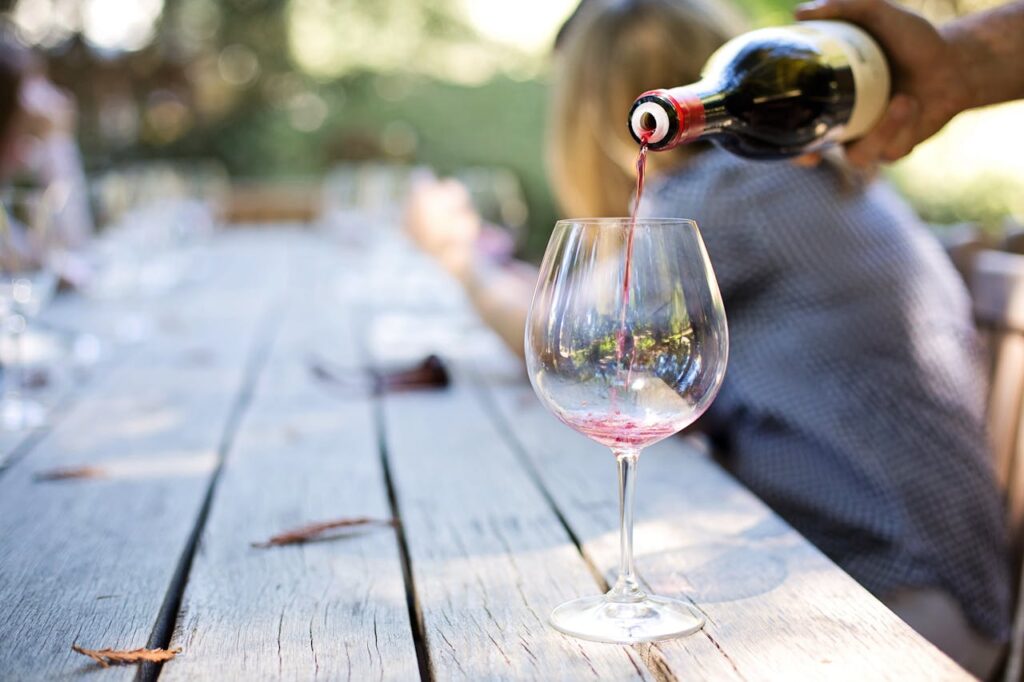
Part of the charm of tasting wine is the sense of unpredictability. Every bottle has the potential to surprise you. One evening, you might open a wine that feels bold and vibrant. Another night, you might discover something delicate and subtle.
Even wines from the same vineyard can change over time as they age. That unpredictability keeps the experience fresh. It reminds you that wine isn’t static. It evolves. And that’s a lot like relationships. You keep learning new things. You keep discovering new layers.
Sometimes a wine doesn’t impress you right away. But then you revisit it months later, and suddenly it feels different. Richer. Softer. More balanced. Moments like that keep curiosity alive. Curiosity is what keeps people returning to explore new wines again and again.
Falling in Love With the Journey
In many ways, discovering wine mirrors the experience of falling in love. It starts with curiosity. Then comes discovery. You notice small details that draw you in. Flavors, aromas, textures.
Over time, your appreciation deepens. You begin to understand what you enjoy and why. And the journey keeps evolving.
The best part is that there’s no finish line. No final level of expertise you have to reach. You can simply enjoy the process.
Trying something new. Sharing a bottle with friends. Discovering flavors you didn’t expect. Exploring wine doesn’t demand perfection. It rewards curiosity.
So the next time you pour a glass, take a moment. Swirl it. Smell it. Taste it slowly. What do you notice? You might just find yourself falling in love with the experience, one sip at a time.