Updated on: November 16, 2026
Originally published on: November 16, 2026
The early signs of gum disease can be easy to miss. Here’s what to watch for and how early treatment can help protect the gums and bone that hold your teeth in place.
Bleeding when you brush or tenderness in one spot can be early signs of gum disease. It’s easy to blame a firm toothbrush or an extra-vigorous brushing session, especially if the bleeding stops quickly. But if it keeps happening, a dental exam can help you find out what’s causing it. When gum disease progresses, it can damage the tissue and bone that hold your teeth in place.
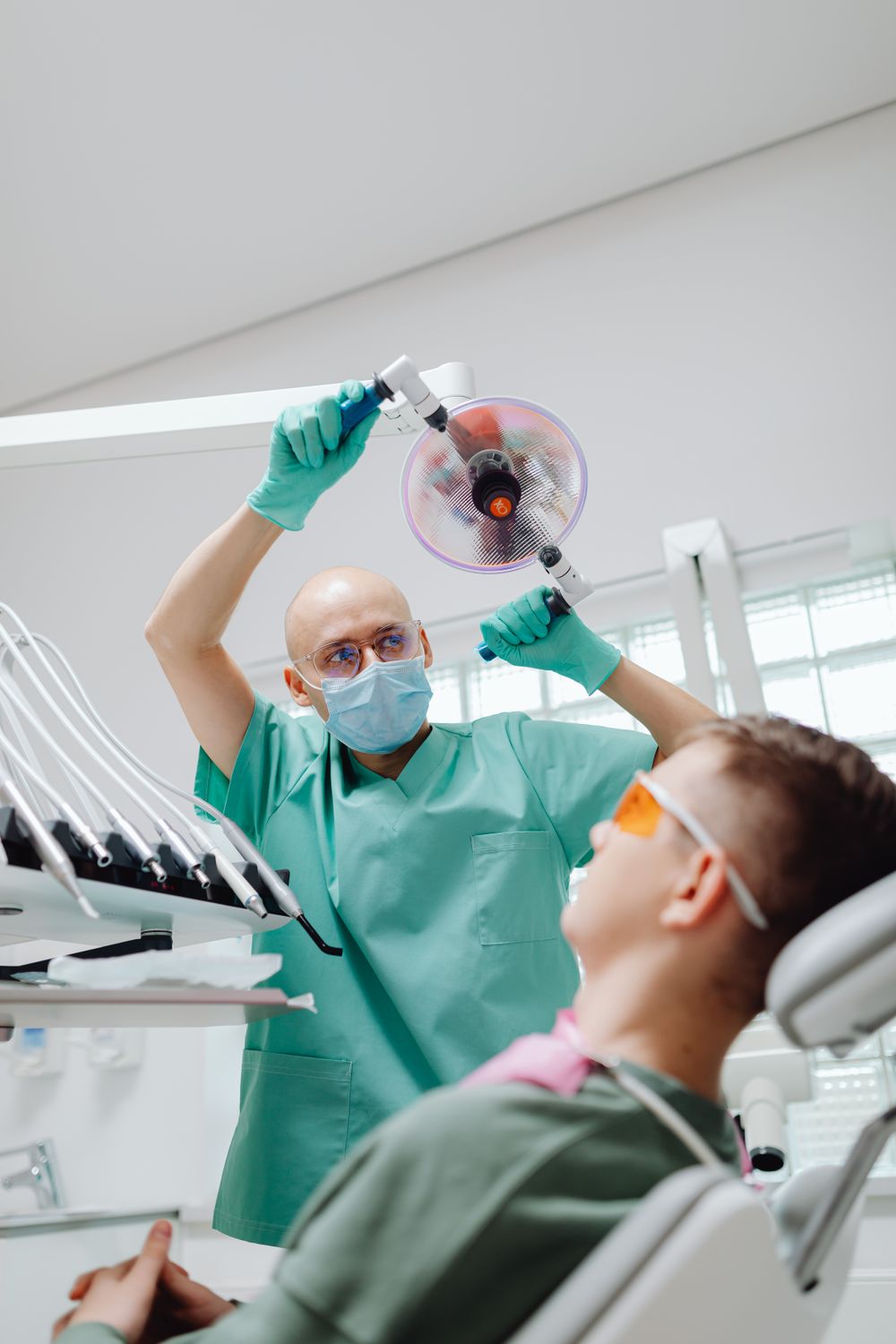
Understanding how minor soft-tissue changes transform into complex oral challenges empowers you to take control of your dental health before irreversible damage occurs. Modern dentistry approaches these early shifts not merely as localized annoyances, but as critical windows for intervention.
Recognizing the underlying physiological mechanisms allows you to partner with your clinical team to protect your long-term smile and overall wellness.
Why should you seek prompt evaluation for persistent gum tenderness?
Early signs of gum disease can be easy to miss because they often cause little or no pain. If your gums keep bleeding or feel tender, bring it up at your next dental visit. Professional cleanings and targeted soft-tissue therapies halt this degradation effectively, preserving your natural dentition for decades to come.
For patients seeking specialized care in western Montana, consulting a periodontist missoula mt provides access to advanced regenerative treatments and comprehensive periodontal management.
When localized soft-tissue infections require specialized intervention, connecting with an expert provider ensures you receive accurate care tailored to your unique anatomical needs.
How does superficial gingivitis transition into deep periodontal pocketing?
The journey from a healthy smile to advanced periodontal disease starts with plaque accumulation along your gumline. When sticky bacterial films remain undisturbed by your daily flossing and brushing habits, they harden into calculus. Your body responds to this bacterial presence by sending immune cells to the area, creating localized swelling and redness.
This initial stage remains completely reversible because the bone and connective tissue attachment have not yet suffered permanent harm.
Left unchecked, this chronic inflammatory state breaks down the tiny fibers securing your gums to your teeth. The epithelial attachment migrates downward, creating a space known as a periodontal pocket. Food particles, bacteria, and plaque accumulate within these deepening spaces, away from the reach of standard home care tools.
As these pockets deepen, anaerobic bacteria thrive in the oxygen-deprived environment. Your immune system continues fighting the infection, releasing enzymes that inadvertently destroy your body's own alveolar bone. This destruction leads directly to tooth mobility and eventual tooth loss if clinical intervention fails to disrupt the cycle.
What modern diagnostic methods identify early crestal bone loss?
Catching periodontal deterioration before it causes visible shifting requires advanced clinical imaging tools. Traditional two-dimensional X-rays sometimes miss subtle changes in bone density because overlapping anatomical structures obscure the crestal bone.
Dental professionals now rely on high-resolution cone-beam computed tomography and digital sensors to visualize your jawbone in precise detail. These tools measure microscopic changes in bone height and density, mapping out areas of early resorption long before your teeth begin to loosen.
- Digital probing maps: Clinicians use calibrated probes to measure pocket depths around each tooth, recording millimeter changes that track treatment progress over time.
- Microbial testing identifies: Advanced plaque assays pinpoint specific pathogenic bacterial strains driving your unique inflammatory response, guiding targeted antibiotic therapies.
- AI imaging algorithms: Modern software analyzes radiographic scans to highlight early crestal bone degradation that might escape the naked human eye during a standard review.
How do specialized soft-tissue therapies halt tissue degradation?
Once diagnostics confirm active periodontal breakdown, standard dental cleanings no longer suffice to clear the infection. Specialized clinical treatments target the root surfaces hidden beneath your gumline to remove bacterial biofilm and calculus deposits. This meticulous procedure, known as scaling and root planing, smooths rough spots on the roots where bacteria cling.
Following this foundational treatment, targeted soft-tissue management aids in shrinking pocket depths and encouraging reattachment. Dental teams utilize antimicrobial rinses, localized antibiotic delivery chips, or laser-assisted therapy to eliminate remaining pathogens without invasive surgery.
- Laser disinfection: Focused light energy vaporizes infected tissue while leaving healthy cells untouched, promoting faster healing and reduced post-procedure discomfort.
- Minimally invasive debridement: Specialized ultrasonic instruments flush out deep pockets gently, minimizing the need for traditional gum surgery.
- Regenerative proteins: Biologic gels applied during treatment stimulate your body to rebuild lost bone and connective tissue naturally.
What role does daily hygiene play in preventing plaque buildup?
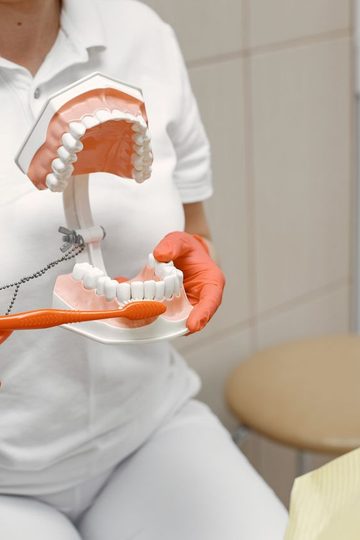
Maintaining a consistent brushing and flossing routine stands as your primary defense against bacterial accumulation. Mouth Healthy notes that periodontal disease typically starts when poor daily habits allow sticky plaque to harden on the teeth. This hardened material irritates the surrounding soft tissue and creates a breeding ground for harmful bacteria.
Using a soft-bristled toothbrush 2 times a day removes soft biofilm, stopping the sticky substance before it calcifies into calculus. Cleaning your teeth daily, including cleaning between them, disrupts the bacterial colonies hiding where normal bristles cannot reach. These simple actions protect the delicate attachment fibers anchoring your roots in the jawbone.
How do changing physiological factors affect your periodontal risk profile?
Your body's defense mechanisms naturally shift as you get older. An American Dental Association publication highlights that advancing age brings a higher prevalence of periodontal conditions and related oral health complications. Reduced saliva flow and changes in cellular turnover can leave your gums highly vulnerable to bacterial attacks.
Older adults frequently take 3 or more prescription medications - daily treatments that cause dry mouth side effects. A lack of sufficient saliva makes it much harder for your mouth to naturally wash away food particles and neutralize bacterial acids. Staying proactive with hydration and scheduling frequent clinical evaluations becomes critical for maintaining soft-tissue integrity during these later stages of life.

Can systemic health conditions influence gum tissue healing?
Your mouth operates as an integrated component of your entire physiological system. Conditions like diabetes heavily impact how your body processes blood sugar and fights off localized infections in the mouth. High glucose levels in your saliva provide an abundant food source for the exact anaerobic bacteria responsible for periodontal destruction.
Poor systemic health slows down your natural healing response and accelerates tissue degradation. Patients managing cardiovascular issues or autoimmune disorders experience rapid crestal bone loss following a bacterial flare-up. Managing your overall bodily wellness directly supports your clinical efforts to stabilize early gingival inflammation.
Protecting your long-term dental stability depends on bridging the gap between daily home hygiene and professional clinical oversight. By addressing minor inflammation proactively, you safeguard not only your smile but your systemic well-being against the quiet escalation of chronic oral bacteria.