
This post may contain affiliate links. I only recommend products I use and love. Read the full disclosure here
Updated on: August 10, 2026
Originally published on: August 6, 2026
Walk into a childcare classroom for a few minutes, and you’ll probably notice something that isn’t on the daily schedule. Quality childcare helps children build social and emotional skills through everyday interactions.
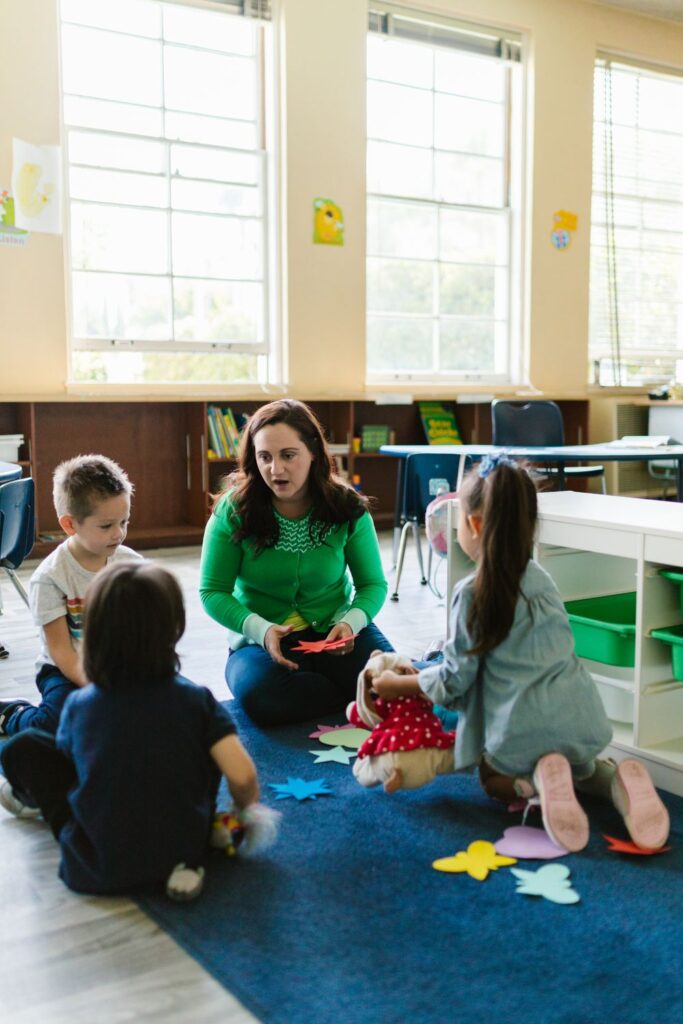
One child helps another pick up spilled crayons. Someone proudly shows a friend how to finish a puzzle. In another corner, two kids are laughing simply because they’ve made up a game that makes perfect sense to them, even if no one else understands it.
Those moments might seem rather mundane, but they’re some of the biggest reasons early childcare matters. Families looking for childcare in Parker, CO, mostly ask about learning activities and kindergarten readiness.
Those are important, but kids are also learning how to make friends, how to work through their feelings, and how to be part of a group. Those lessons stay with them long after they’ve forgotten what they painted on Tuesday morning.
Learning to Be Around Other People Takes Time
Adults sometimes forget that sharing, waiting patiently, and taking turns aren’t skills children are born with. They learn those skills by doing them over and over again. One day, two children both want the same truck. The next day, they’re happily building a road together. A week later, one invites the other to join a new game without anyone suggesting it first.
That kind of growth rarely happens all at once. It happens because children spend time with other children every day. They begin noticing what works, what doesn’t, and how small acts of kindness can make play much more enjoyable.
Playing with other children helps build important social and emotional skills that continue to develop throughout early childhood.
Some days they happily play together from the start. Some days they disagree about the rules or who goes first. Both experiences are part of learning. Children begin figuring out how to listen carefully, compromise, and be part of a group.
Big Feelings Don’t Feel Quite So Big
Every child has moments when things don’t go according to plan. A favorite toy is already being used. A painting doesn’t turn out the way they imagined. Someone accidentally knocks over the tallest block tower they’ve ever built. Those moments can feel enormous to a four-year-old.
Good childcare doesn’t try to prevent every disappointment. Instead, teachers help children understand their emotions and work through those feelings. Sometimes that means giving a child a minute to calm down. Other times, it’s helping them find the words to explain why they’re upset.
Little by little, children discover that being frustrated doesn’t mean the day is ruined. Tomorrow they’ll probably try again.
Confidence Grows in Unexpected Ways
Parents often expect confidence to show up in big moments. More often, it appears quietly. The child who used to stand beside the teacher now walks over to join a group game. Someone who rarely spoke during circle time suddenly can’t wait to share a story about their weekend. Another child proudly pours their own drink without asking for help.
None of those moments make the headlines at pickup. Together, though, they tell a story. Children are beginning to believe in themselves because they’ve had opportunities to practice, make mistakes, and try again without feeling embarrassed.
Children Watch More Than We Think
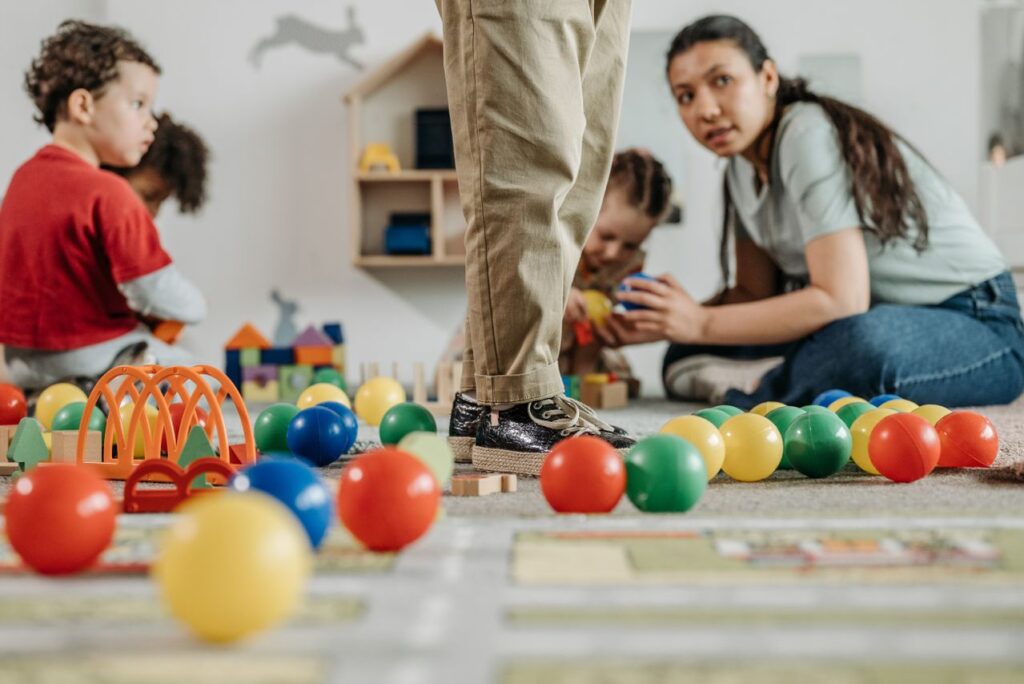
Young children pay close attention to the people around them. They notice the teacher who speaks kindly even when the classroom gets noisy. They see a classmate comforting a friend who’s upset and crying. They watch someone apologize after bumping into another child during play.
Before long, many begin doing those same things themselves. That’s one of the reasons childcare is about much more than organized activities. Children aren’t only learning from books, songs, or art projects. They’re learning from seemingly small, everyday interactions that happen naturally throughout their day.
Growing Up Is a Collection of Small Moments
Looking back, most parents can remember one day when they realized their child had changed. Maybe it was the first time they introduced themselves to another child without encouragement. Perhaps it was when they told you about the game they played, the picture they painted, or the friend who made them laugh.
The bigger lessons are many times what’s happening in the background. They are learning to be patient, to work together, to speak up when something feels unfair, and to celebrate another person’s success. Those abilities do not develop overnight, but they tend to improve slightly with each passing day.