Knowing how to build a practical wardrobe starts with thinking about what you do on a typical day. Between long work hours, commuting, social plans, and errands, you need outfits that feel comfortable and still suit your personal style. Yet plenty of clothes look great on the hanger and feel uncomfortable after a few hours of wear.
Building a practical wardrobe means paying attention to details that often go unnoticed, including fabric composition, garment construction, footwear, and how different pieces work together.
Instead of constantly purchasing new outfits, a thoughtful approach focuses on versatile clothing that supports daily activities. With the right choices, getting dressed becomes easier, more comfortable, and better suited to the way you actually live.
Start With the Clothing That Touches Your Skin
Comfort begins with the garments worn closest to your body. Underwear, socks, and base layers influence how comfortable you feel throughout the day, even when they remain hidden beneath your outfit.
Poorly fitted socks can slide inside shoes, create friction, or feel restrictive around the ankles. Similarly, uncomfortable base layers may irritate during extended periods of movement.
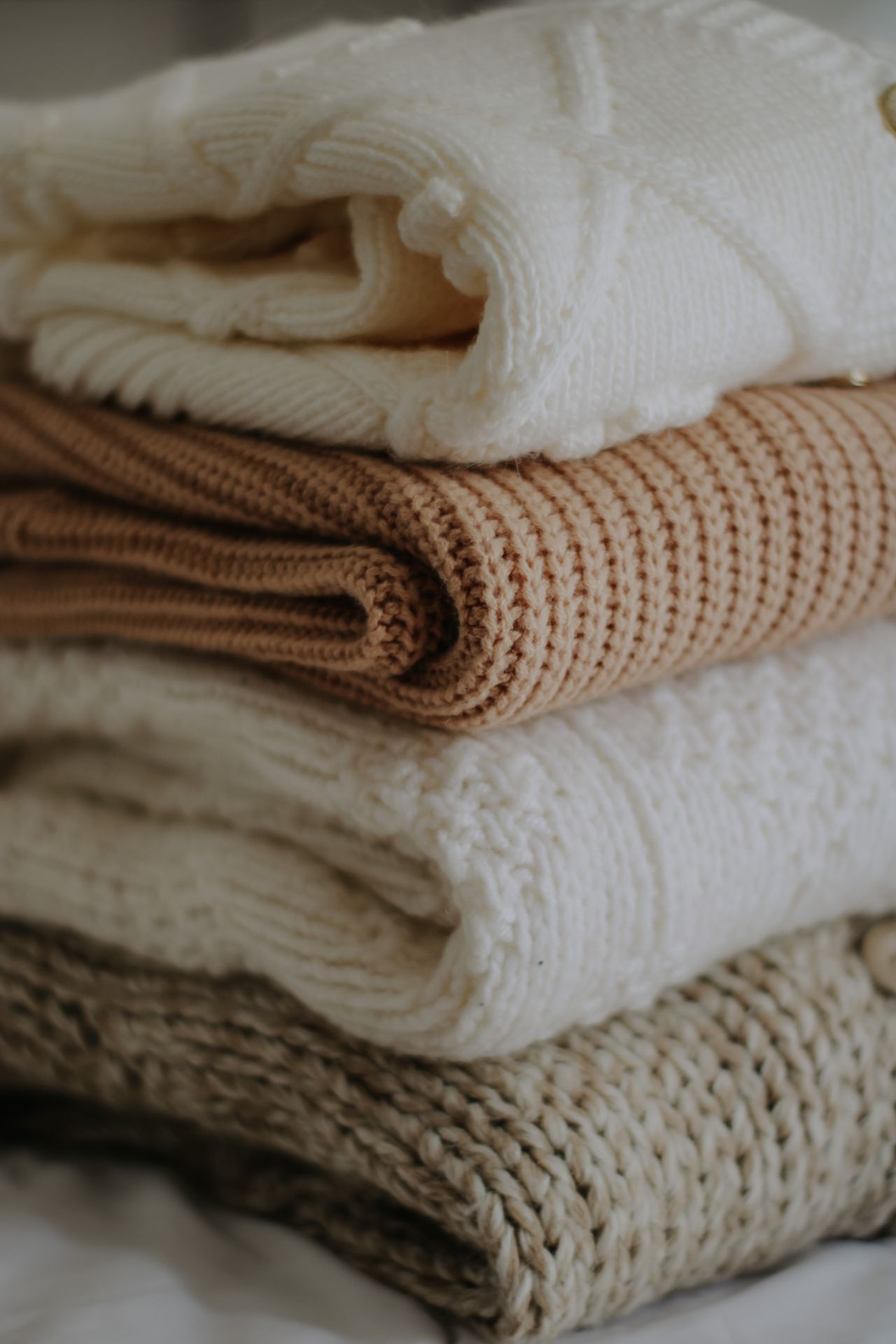
Fabric composition deserves particular attention. Materials differ in softness, moisture management, elasticity, and durability, making it worthwhile to compare options before purchasing everyday essentials.
For instance, someone exploring softer alternatives to conventional socks might visit this bamboo socks website to compare ankle, crew, dress, and athletic styles made with bamboo-derived fabric blends.
The best choice depends on your footwear, activity level, and personal preferences rather than fabric labels alone. Prioritizing comfortable essentials creates a reliable foundation for everything else in your wardrobe.
Build Outfits Around Your Actual Daily Routine
A wardrobe should reflect your lifestyle rather than an imagined version of it. Someone who spends most weekdays in an office has different clothing requirements from a person who works remotely or travels frequently.
Begin by considering where you spend your time and which activities occupy most of your week. If your schedule involves commuting, choose clothing that allows comfortable movement while maintaining a polished appearance. For remote work, relaxed trousers, breathable tops, and comfortable layers may provide an appropriate balance.
Avoid filling your closet with special-occasion pieces that rarely leave their hangers. Instead, identify garments that work across several everyday situations. A well-fitting pair of trousers, a versatile overshirt, and comfortable shoes can create multiple outfits without requiring an extensive collection.
Practical clothing choices reduce morning decisions while making your wardrobe more useful.
Understand Why Fabric Matters More Than Trends
Fashion trends frequently emphasize colors, silhouettes, and seasonal designs, but fabric selection can have a greater influence on everyday comfort.
Cotton is widely appreciated for its softness, while linen offers a lightweight feel that many people prefer during warmer weather.
Wool can provide insulation in cooler conditions, and certain synthetic fabrics are designed for durability, stretch, or moisture management.
However, no material performs identically across every garment. Fabric weight, weave, finishing treatments, and blended fibers can substantially affect how clothing feels and behaves.
Before purchasing, examine the garment's composition and care instructions. Consider whether it wrinkles easily, requires special cleaning, or feels comfortable against your skin. A fashionable piece that demands constant adjustment or complicated maintenance may not suit a busy lifestyle.
Choosing fabrics thoughtfully helps create clothing combinations that remain enjoyable beyond their initial appearance.
Make Footwear Part of Your Personal Style
Shoes influence both the appearance of an outfit and how comfortably you move throughout the day.
A stylish pair may look impressive, but poor fit can quickly become frustrating during commuting, shopping, or extended periods of standing.
Choose footwear according to the activities you perform most frequently.
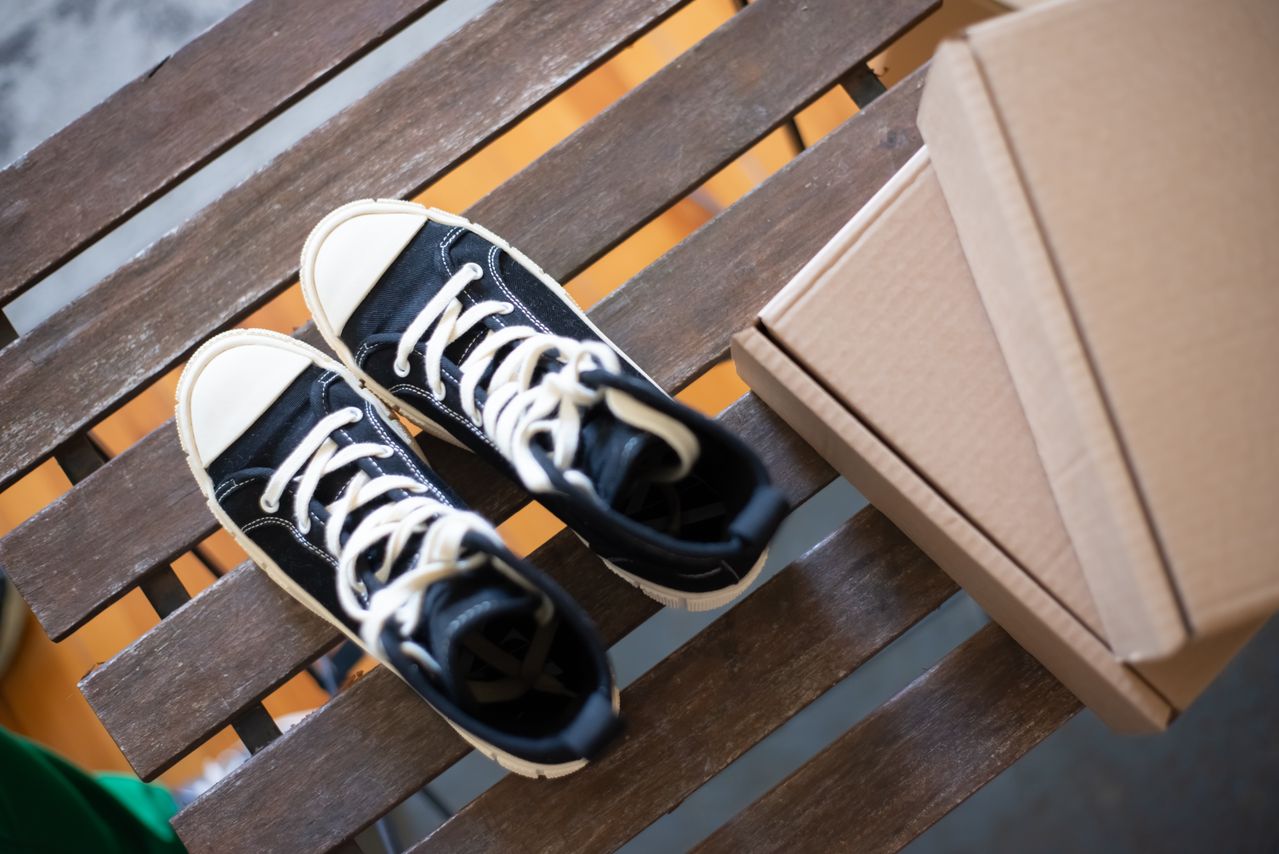
Supportive walking shoes may be appropriate for active days, while comfortable loafers or understated sneakers can complement casual and smart-casual outfits.
Pay attention to toe room, heel stability, and how shoes feel after several minutes of walking. If you’re shopping for new shoes, try them on in the afternoon, when your feet may be slightly larger after a day of walking and standing.
Socks should also complement the footwear rather than creating unnecessary pressure or bunching.
Neutral shoe colors often coordinate with a wider range of clothing, making them particularly useful for smaller wardrobes.
Well-chosen footwear can improve the practicality of everyday outfits without compromising your preferred aesthetic.
Learn to Layer Without Feeling Overdressed
Layering allows clothing to adapt to changing temperatures, making it useful for people who move between outdoor environments and air-conditioned spaces.
The most effective combinations begin with lightweight garments that sit comfortably beneath additional layers. A breathable shirt can work under a cardigan, overshirt, or casual jacket depending on the weather and occasion.
Avoid combining several bulky pieces unless conditions genuinely require additional insulation.
Proportions matter as well. A relaxed outer layer often looks more balanced over a fitted or moderately tailored base.
Colors should complement one another without requiring every garment to match exactly.
Layering also extends the usefulness of seasonal clothing.
Instead of maintaining entirely separate wardrobes for every temperature change, versatile pieces can transition between different conditions with minimal effort.
Create a Wardrobe That Travels Easily
Travel often reveals which clothes are genuinely versatile and which pieces only work under specific circumstances.
Packing becomes easier when garments can be combined into several outfits without requiring numerous accessories.
Start with a coordinated color palette and select clothing appropriate for your destination's climate and planned activities.
Choose fabrics that are comfortable during long journeys and manageable when unpacked.
Shoes deserve special consideration because bulky footwear occupies considerable luggage space. Wear your most substantial pair during transit and pack additional options only when necessary.
Small essentials, including socks and undergarments, should be selected according to the trip's duration and available laundry facilities.
A practical travel wardrobe reduces unnecessary luggage while allowing you to feel appropriately dressed throughout your journey.
Maintain Your Clothes So They Last Longer
Comfortable clothing becomes a better investment when it retains its fit, texture, and appearance through repeated use.
Improper washing can cause shrinkage, fading, stretching, and unnecessary fabric wear.\ Before washing a garment for the first time, check the care label for washing and drying instructions, including any temperature limits.
Sorting clothes by color and fabric requirements can help prevent avoidable damage.Use suitable washing temperatures and avoid excessive detergent, which may leave residue on certain fabrics.
Air-drying delicate garments can reduce exposure to unnecessary heat, while proper storage helps maintain their shape.
Small repairs also deserve attention. Replacing a missing button or repairing a loose seam can extend the useful life of an otherwise dependable garment.
Consistent maintenance makes it easier to keep favorite pieces in regular rotation.
Develop a Personal Style That Feels Effortless
Personal style becomes more satisfying when it reflects your preferences rather than constantly changing fashion expectations.
Notice which outfits make you feel comfortable and confident during ordinary activities. You may prefer relaxed silhouettes, structured clothing, understated colors, or distinctive accessories.
Use these preferences to guide future purchases instead of following every emerging trend.
A consistent wardrobe doesn't have to become repetitive. Different textures, layering combinations, and accessories can create variety without requiring entirely new outfits.
Before buying something, consider whether it works with clothes you already own and whether you'll realistically wear it. Ultimately, dressing well is about creating harmony between appearance, comfort, and everyday responsibilities.
When your clothing supports your routine rather than complicating it, personal style becomes a natural part of your lifestyle instead of another task demanding attention.