
This post may contain affiliate links. I only recommend products I use and love. Read the full disclosure here
Updated on: June 17, 2026
Originally published on: September 15, 2025
Designer handbags worth buying secondhand have a timeless appeal that continues to captivate fashion lovers. These bags are symbols of sophistication and style, accompanied by a hefty price tag that can deter potential buyers.
As sustainable fashion practices gain momentum, more shoppers are turning to the secondhand market to access luxury items without overspending, making high-end fashion more attainable for everyone.

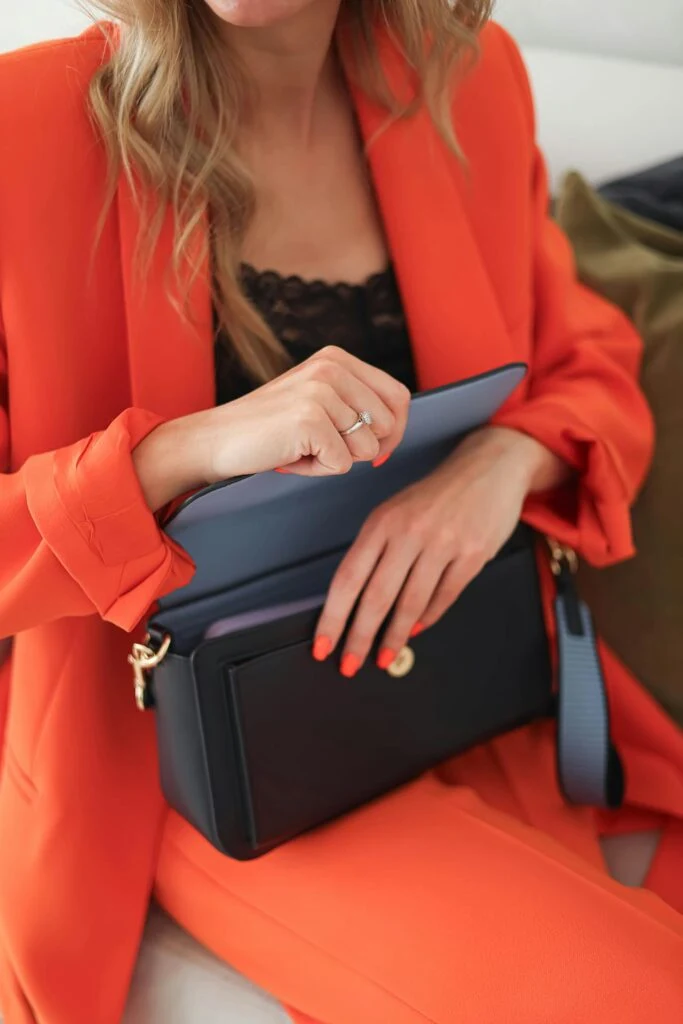
When you choose pre-owned luxury items, you still enjoy the same superior craftsmanship, exclusive designs, and lasting appeal, only at a lower cost. Let’s take a look at the designer handbags that are worth buying secondhand, and some smart tips to help you make an informed decision in this growing and exciting market.
The Perks of Buying Secondhand Handbags
Beyond saving money, investing in secondhand handbags comes with a host of additional benefits. Purchasing pre-owned pieces reduces fashion waste and supports a more sustainable lifestyle, something that resonates strongly with eco-conscious consumers.
High-quality leather handbags can last for decades with proper care and often grow even more beautiful as they age. In some cases, designer handbags even appreciate in value, making them not only stylish but also a potential investment.
Limited editions or discontinued styles often resurface in the resale market, giving collectors and fashion enthusiasts the chance to score rare treasures. Many shoppers are also drawn to designer handbags vintage styles, because of their timeless character and unique details that are harder to find in newer collections.
By choosing secondhand, you’re embracing sustainability while still indulging in the luxury of designer handbags.
Where to Buy Secondhand Designer Handbags
A variety of platforms cater to secondhand luxury handbags, each with unique offerings tailored to different shopping preferences. When looking for secondhand handbags in excellent condition, you can look into online suppliers that specialize in authentic high-end items. These platforms guarantee the authenticity of their products through expert evaluations.
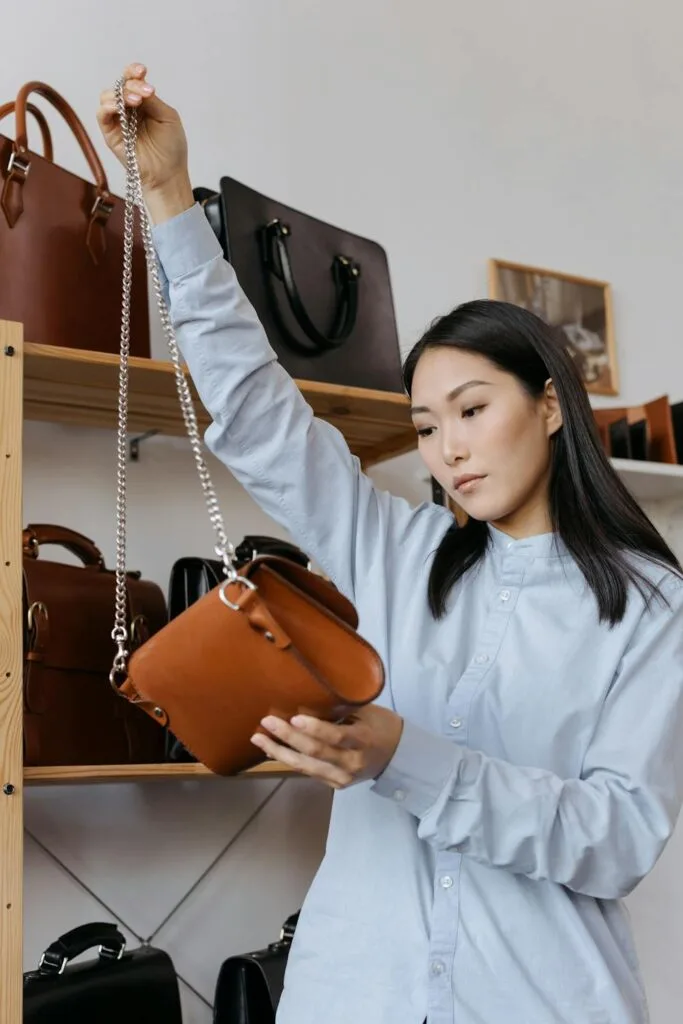
Brick-and-mortar consignment shops are another excellent avenue for sourcing designer handbags. Visiting a local shop allows for the tactile experience of inspecting the bag. You can even obtain immediate feedback and advice from knowledgeable sales staff. Attending fashion events or swap meets can deliver desirable finds, as sellers may be motivated to part with their luxury items.
Regardless of where you choose to shop, the shopping platform should have a robust return policy that can secure your investment and protect against buyer’s remorse.
Identifying Quality Designer Brands
When venturing into the world of secondhand luxury handbags, know which brands hold their value best and are renowned for quality craftsmanship. Classic brands like Chanel, Louis Vuitton, and Hermès are considered the gold standard due to their iconic designs and high resale value.
The Chanel Classic Flap Bag consistently remains a bestseller on the resale market because of its timeless silhouette and continued demand. Louis Vuitton’s Speedy Bag and Neverfull Tote are favorites among secondhand shoppers for their versatility and durability.
Emerging designer brands like Goyard and Balenciaga produce unique designs and high-quality materials that have become more sought after. Investing in well-established brands increases the likelihood of retaining value.
Familiarizing yourself with the features that signify authenticity, such as stitching patterns, brand logos, and hardware markings, empowers you to shop confidently and encourages smarter purchasing decisions that come with better returns in the future.
Assessing Condition and Authenticity
The condition of a secondhand handbag impacts its value, and that’s why you should conduct a thorough assessment before proceeding with the purchase. Examine the exterior for any visible signs of wear, such as scratches or discoloration.
Assess the hardware of the luxury handbags: they may feature high-quality metal components that should not show excessive tarnishing or damage. Zippers should operate smoothly, and seams should be intact, with no loose threads.
Don’t forget about authentication when buying secondhand. Get familiar with the brand’s signature elements, as each luxury label has distinct identifiers. Chanel products feature a serial number inside that can be traced, whereas Hermès bags will have a particular stamp indicative of production year and origin.
Researching these details can guarantee you purchase genuine merchandise, protecting you from counterfeit items that pervade the resale market. Many reputable sellers provide authentication certificates and additional assurance regarding the bag’s legitimacy.

Maintaining Your Secondhand Handbag
Once you’ve successfully purchased your secondhand handbag, maintaining its condition is necessary for longevity. Just like any luxury item, proper care can extend the life of your bag and preserve its value. Regularly clean the bag according to the material type. Leather handbags benefit from gentle cleaning with specialized leather wipes, yet fabric bags might require gentle spot cleaning.
Store your handbag properly. Keep it in its dust bag and maintain the original shape to prevent sagging and deformities. Regularly check for any signs of wear and address them promptly. Repairing minor scuffs or damages as they arise can add to the longevity of your bag. If you’re uncertain about performing repairs, consider consulting a professional for quality workmanship
When you cultivate an attentive maintenance routine, you’ll improve your enjoyment of the handbag and secure its status as a cherished item in your collection.
Budgeting for Secondhand Finds
Understanding how to budget for secondhand handbags can help elevate your shopping experience. Items in the luxury market can be pricey, but setting a personal limit will make sure that you don’t overspend. Researching the average resale prices for specific bag styles aids in developing a realistic budget, allowing you to identify fair deals when shopping.
Allocating funds for these purchases can encourage you to be mindful as you curate your designer collection. It can be tempting to splurge on a single designer handbag, but understanding your fashion goals will help you make strategic purchases that align with your style and needs. Even develop a wishlist of preferred styles to guide your purchases rather than succumbing to impulse buys.
Prioritizing quality over quantity will lead to a more satisfying collection. Evaluating your wardrobe regularly to identify gaps can help tailor your investment choices towards bags that serve practical purposes.
Designer handbags offer an opportunity to embrace luxury without sacrificing sustainability. The secondhand market is filled with excellent options that can improve your style and allow you to make a positive impact on the environment. Now that you know how to buy wisely, you can acquire beautiful handbags that stand the test of time.