Updated on: November 2, 2026
Originally published on: November 2, 2026
You notice a faint, fleeting sting when sipping hot coffee or cold water, but you brush it off as a temporary annoyance. Minor enamel cracks or faint throbbing can seem harmless during a busy week, but delayed dental care can allow an underlying problem to worsen.
Taking prompt action transforms potential dental disasters into simple, manageable appointments. Understanding how small oral warning signs evolve gives you the power to protect your health before minor discomfort escalates into a severe medical crisis.
Why Do Minor Enamel Cracks Cause Sudden Sensitivity?
Microscopic fractures in your enamel might seem invisible, but they expose the inner layers of your tooth to everyday pressure and temperature changes. Every time you bite down on hard foods, tiny fissures expand and contract, irritating the delicate nerve center deep inside.
Persistent temperature reactions signal that protective dentin has lost its shielding barrier. Finding a trusted emergency dentist near RSM allows you to address structural weaknesses before bacteria invade the inner tooth chamber. Early clinical evaluations pinpoint subtle structural cracks using specialized diagnostic tools before fractures worsen.
Postponing an evaluation gives oral bacteria time to penetrate deeper layers. Left unchecked, a simple hairline crack allows harmful microbes to reach delicate vascular tissue, turning a routine fix into a far more complex procedure.
What Causes Intermittent Throbbing to Escalate into Nerve Damage?
Occasional throbbing signals active inflammation brewing deep inside your tooth pulp. When bacteria slip past your outer defenses, your immune system rushes extra blood toward the invasion site to fight off the infection.
Educational guidance from the American Dental Association's MouthHealthy platform explains that normal chewing pressure rapidly widens tiny hairline fissures in your enamel, giving surface microbes a direct path into the pulp. Each bite drives bacteria further inward while flexing the weakened tooth structure.
Immediate intervention relieves that dangerous pressure before the nerve chamber dies completely. Your clinician can remove trapped bacteria, soothe inflamed vascular tissue, and seal microscopic cracks before destructive decay spreads beyond the root tip.
How Do Oral Infections Spread So Quickly?
Microbial growth within a compromised tooth root does not remain isolated for long. Once bacteria exhaust the dead nerve tissue inside the pulp chamber, they push outward through the tiny opening at the tip of the root.
Inflammatory fluids build up in the surrounding bone structure, causing localized swelling along the gum line. The pressure can rapidly diffuse into facial tissue spaces, transforming a simple toothache into a severe facial abscess within days.
Modern diagnostic protocols rely on same-day digital radiography and problem-focused examinations to stop the rapid progression. Dentists analyze high-resolution digital imaging to detect subtle bone density changes long before swelling becomes visible to the naked eye.
Identifying Early Warning Signs Before Trauma Escalates
Recognizing subtle oral distress signals helps you take proactive steps long before pain becomes unbearable. Small changes in how your teeth feel during daily meals often provide crucial clues about underlying structural damage.
Pay close attention to some common symptoms that warrant immediate clinical attention:
- Temperature sensitivity lingering after eating: Sensation lingering for 30 seconds or longer indicates deep nerve irritation.
- Localized discomfort during biting pressure: Sharp pain when releasing a bite points directly to hidden tooth fractures.
- Intermittent or unexplained gum swelling: Mild inflammation along the gum line frequently signals active bacterial drainage underneath.
- Unpleasant taste or persistent breath odor: Spontaneous drainage from an infected root canal creates distinct foul odors in the mouth.
Taking early action when these symptoms appear protects your natural teeth and prevents extensive restoration work. Clinical interventions at this stage remain simple, minimally invasive, and highly effective.
How Should You Handle Immediate First-Aid During Dental Emergencies?
Sudden dental injuries or acute pain require immediate, practical stabilization measures while you arrange professional care. Correct home care limits tissue damage and keeps you comfortable prior to your clinical visit.
According to Harvard Health Publishing, applying cold compresses to your outer cheek while avoiding blood-thinning pain medications prevents excessive bleeding during emergency triage. Standard over-the-counter pain relievers without blood-thinning properties keep discomfort under control without compromising clinical procedures.
Acting quickly during traumatic events dramatically improves long-term clinical outcomes. Proper handling of dislodged or fully knocked-out teeth makes the difference between saving or losing natural tooth structure.
What Steps Preserve a Knocked-Out or Severely Damaged Tooth?
Physical impacts from sports or accidental falls demand swift, systematic handling to give damaged teeth the best chance of survival. Knowing the exact steps prevents secondary cell damage to sensitive root fibers.
Follow some immediate action steps when managing acute dental trauma:
- Handle teeth solely by the crown: Touching sensitive root surface tissues damages delicate periodontal fibers needed for reattachment.
- Rinse gently using clean water: Avoid scrubbing dislodged fragments or using harsh chemical cleansers on exposed tooth surfaces.
- Store in appropriate preservation medium: Keep dislodged teeth damp in cold milk, saline solution, or inside your cheek cavity.
- Seek evaluation within 60 minutes: Rapid treatment within 1 hour offers the highest probability of restoring living root attachment.
Preserving natural tooth structure maintains your jaw alignment and avoids complex structural replacements later in life. Prompt clinical restoration keeps your natural smile intact.
Why Do Problem-Focused Exams Provide Immediate Relief?
Comprehensive oral evaluations check your long-term dental health across every tooth, but an urgent appointment focuses entirely on the exact trigger behind severe pain. Clinicians bypass routine charting so they can concentrate on the single tooth causing your distress.
Targeted evaluations save critical minutes during unexpected flare-ups. Your doctor examines the surrounding tissue, tests nerve response, and uncovers hidden sources of pressure before swelling spreads.
How Does Advanced Digital Imaging Guide Emergency Treatment?
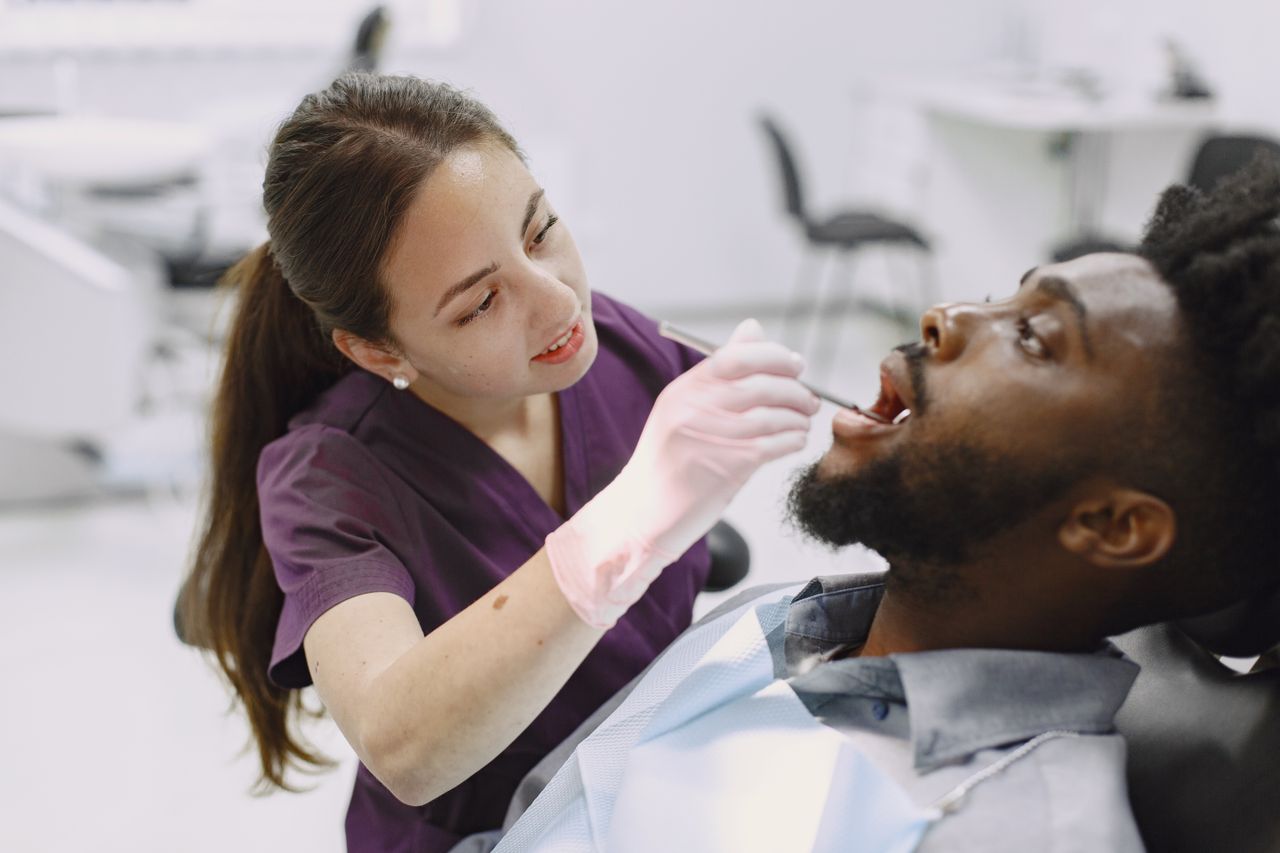
Modern diagnostic tools give clinicians an immediate, high-resolution view beneath your gumline. High-definition digital X-rays reveal tiny enamel cracks, deep root canal inflammation, and subtle bone changes in seconds while minimizing your radiation exposure.
Targeted imaging allows your dental team to build an accurate, custom treatment plan on the spot. Clear digital scans reveal whether your tooth needs gentle pulpal therapy, protective dental bonding, or targeted antibiotic support. Solving the root cause of your pain restores daily comfort and shields your natural teeth for years to come.
Addressing persistent oral discomfort early preserves your natural smile and shields you from complex, costly emergency restorations. Acting at the first sign of sensitivity keeps routine dental issues small, predictable, and easy to manage. Trusting your instincts when your teeth feel off is your best defense against sudden health crises.