Updated on: November 16, 2026
Originally published on: November 16, 2026
A new concrete driveway can give your home a fresh look and make everyday parking a little easier. But before you pick a finish or get a quote, it’s worth thinking about how you’ll use the driveway, where rainwater will go, and what needs to happen before the concrete is poured.
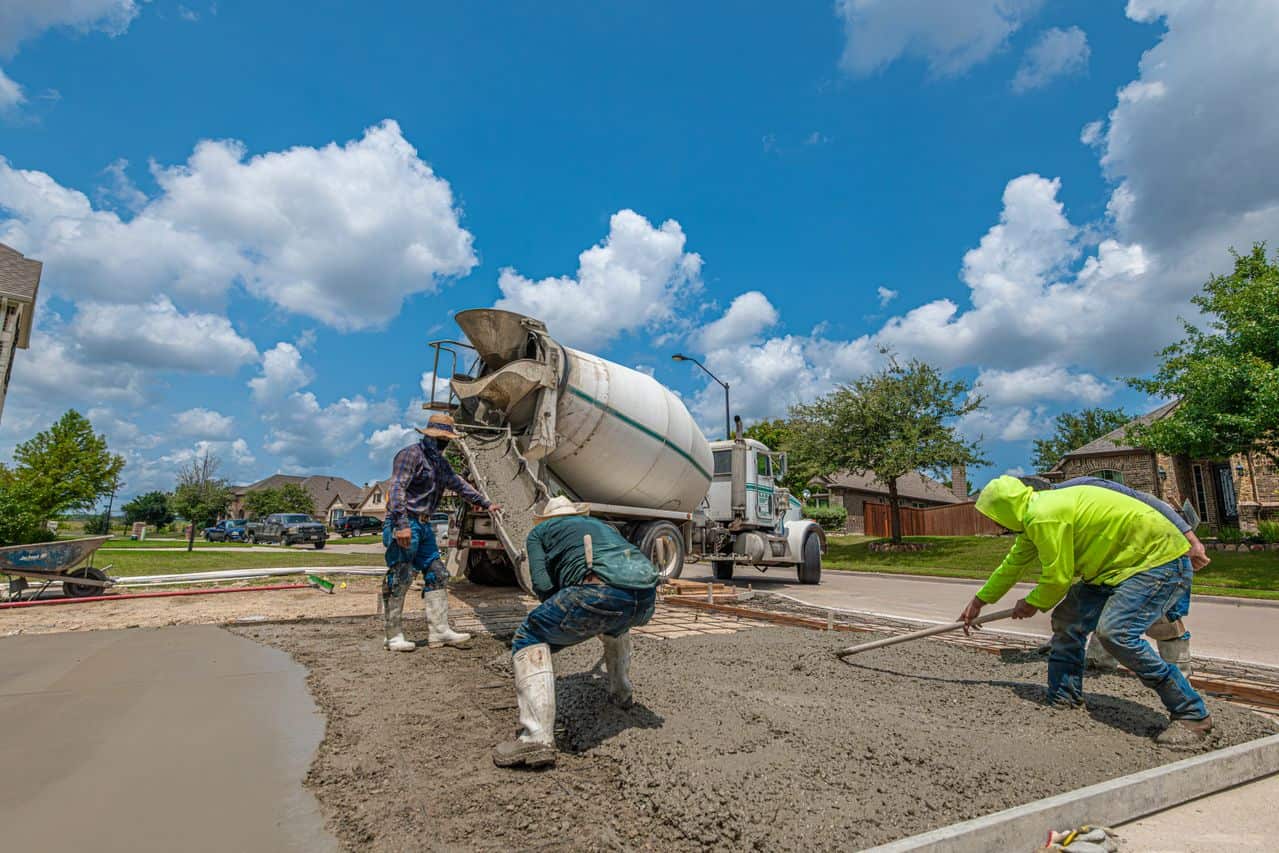
From preparing the ground to choosing a finish that works for your home, a few decisions up front can make a big difference in how your driveway looks and holds up. Here are six things to consider before you get started.
1. Why Ground Preparation Matters
Before pouring concrete, it's important to make sure the ground underneath is ready. Even good-quality concrete can crack or become uneven if the soil isn't properly prepared.
A reliable contractor should remove loose soil, clear away unsuitable materials, and create a firm, compacted base. The ground should also be graded so rainwater can flow away instead of collecting around the driveway.
If you're planning a concrete driveway installation, ask your contractor how they plan to prepare the ground. It's also worth discussing the base materials and how deep they'll need to excavate.
Taking care of this step from the beginning can save you from expensive repairs later.
2. Choose the Right Driveway Thickness
Not every driveway needs the same thickness. The right choice depends on the types of vehicles you'll be parking and how much weight the concrete will need to handle.
A four-inch slab is common for residential driveways. If you regularly park heavier vehicles or expect frequent deliveries, ask your contractor whether you’ll need a thicker slab or additional reinforcement.
Materials such as steel bars or wire mesh can also help control cracking. They won't prevent every crack, but they can help keep the concrete together if cracking occurs.
Talk to your contractor about your everyday parking needs so the driveway is built to handle them.
3. Make Sure Water Can Drain Properly
Drainage might not be the first thing you think about when planning a new driveway, but it matters more than you might expect.
If rainwater collects on the surface or underneath the concrete, it can gradually cause problems. Water may weaken the base, contribute to cracking, and affect nearby landscaping.
A properly sloped driveway helps water move away from the concrete and your home's foundation.
Before the work begins, ask your contractor where rainwater will go. If your property already has drainage issues, it's better to address them during installation rather than deal with them afterward.
4. Give the Concrete Enough Time to Cure
Once the concrete has been poured, you might be tempted to start using your new driveway as soon as it looks dry. However, it's important to give it enough time to cure.
Concrete doesn't reach its full strength immediately. It needs the right moisture and temperature conditions to develop properly.
Contractors may use curing compounds, protective coverings, or other methods to help the concrete cure correctly. They should also let you know when it's safe to walk or drive on the new surface.
Following their recommendations can help prevent early damage and give your driveway a better chance of lasting for years.
5. Pick a Finish That Looks Good and Works for Your Home
Concrete driveways don't all have to look the same. There are several finishes available, so you can choose something that suits your home's exterior.
A broom finish gives concrete a fine texture that improves traction, which comes in handy when the driveway is wet.
Think about how much maintenance you're comfortable with, too. Some decorative finishes need more attention than a simple concrete surface.
It's a good idea to look at a few examples before making your decision. That way, you can choose a finish you'll still be happy with years from now.
6. Understand the Cost and Future Maintenance
Before agreeing to any work, make sure you understand exactly what's included in the estimate.
A proper quote should cover excavation, base preparation, concrete, reinforcement, finishing, and cleanup. If an old driveway needs to be removed, check whether that cost is included as well.
Don't be afraid to ask questions about unexpected expenses, payment arrangements, and warranties. Getting everything in writing makes it easier to compare contractors and avoid misunderstandings.
Once your driveway is complete, a little regular maintenance can help keep it in good shape. Sweep away dirt and leaves, clean oil stains when possible, and check for cracks or drainage problems from time to time.
Depending on the concrete and local conditions, sealing may also help protect the surface.
A Driveway You'll Appreciate for Years
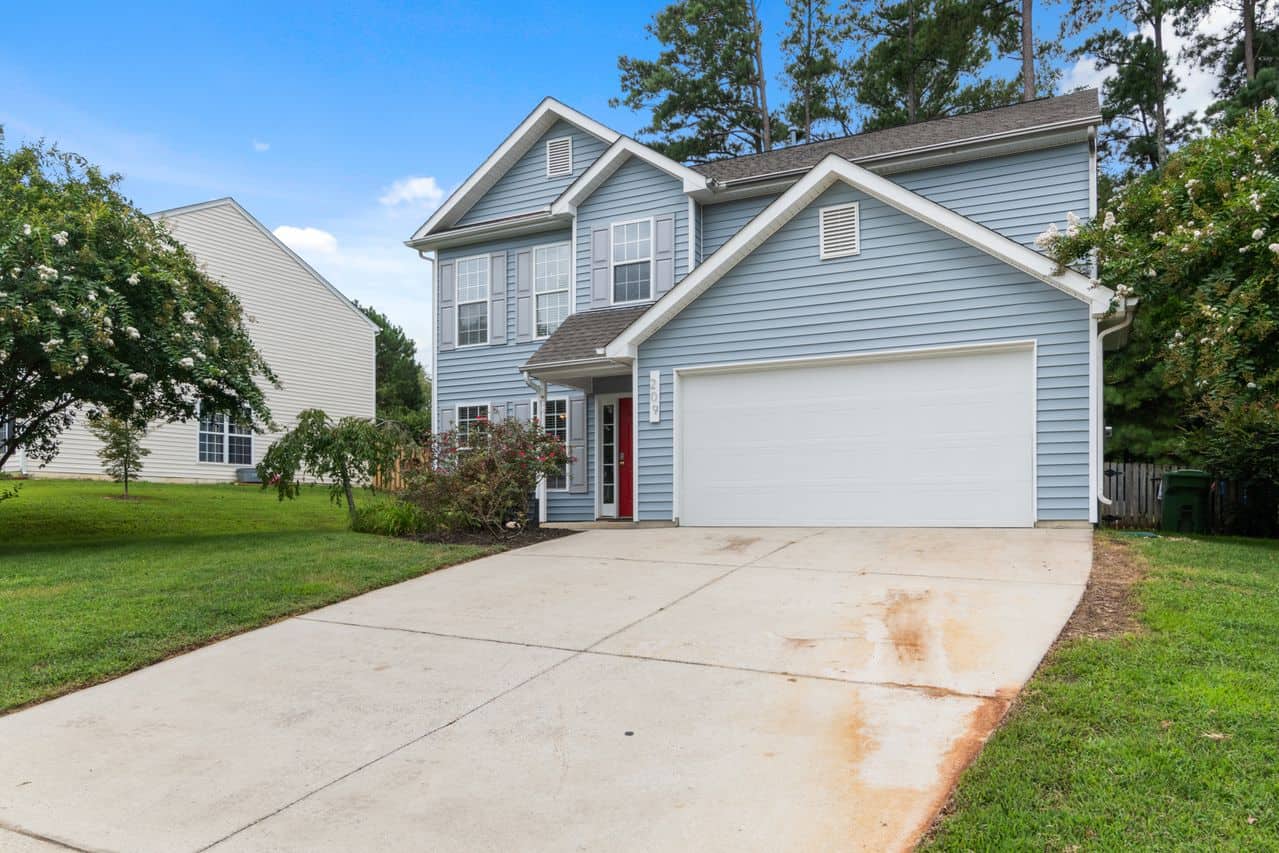
Adding a concrete driveway is a worthwhile home improvement, but getting the details right makes all the difference. Ground preparation, thickness, drainage, curing, and the right finish all play a part in how well it performs.
Take your time choosing a contractor, ask questions before the work begins, and make sure you understand what's included in the project.
With a little planning and the right installation approach, you can have a driveway that looks great, makes everyday life easier, and serves your home for many years.