Updated on: November 16, 2026
Originally published on: November 16, 2026
If you’re still stepping around the same puddle a day after it rains, you may be seeing one of the first signs of yard drainage problems. In Apollo Beach, flat lots and summer storms can leave water sitting in low spots or pooling near the house. Here’s what to look for, from soggy grass and washed-out mulch to water collecting along your foundation.
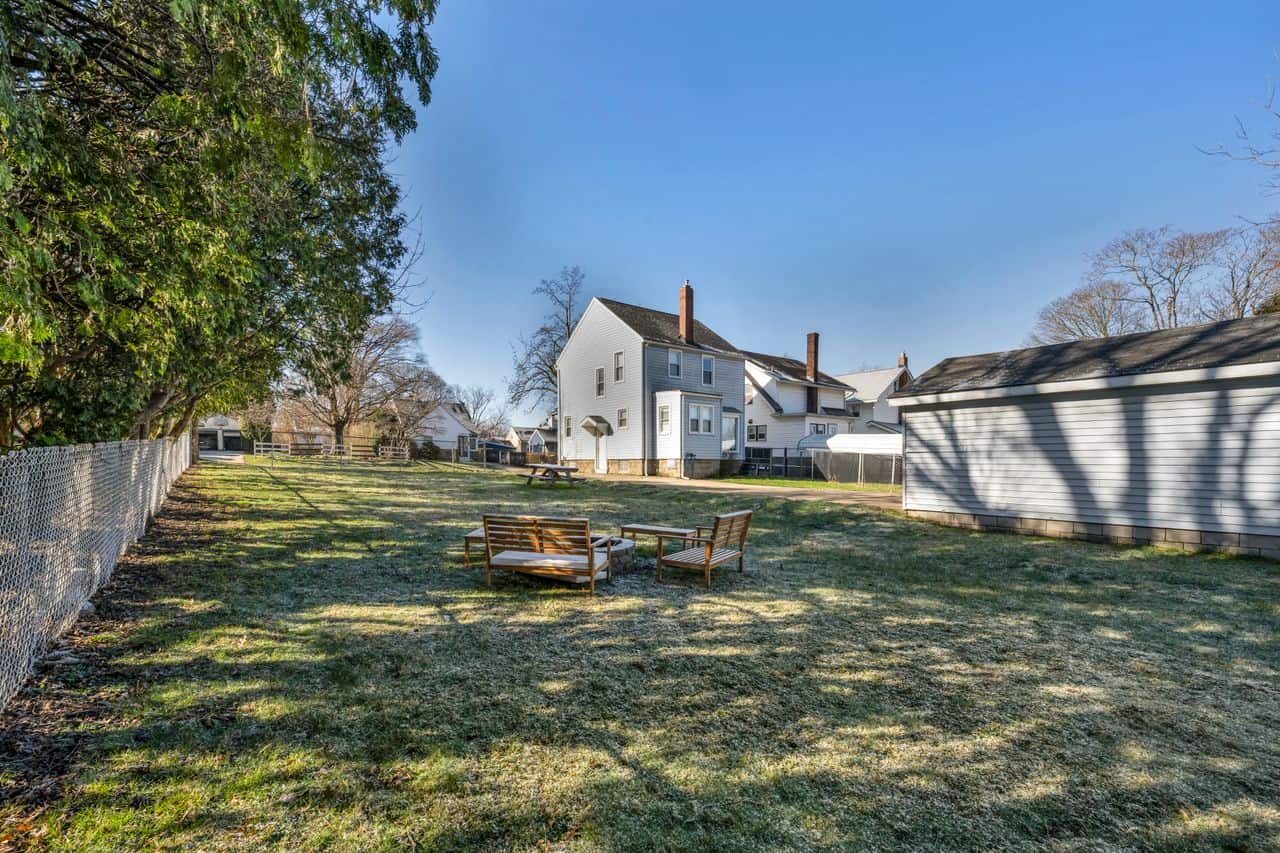
Water Near the House Is a Bigger Risk Than Most Homeowners Realize
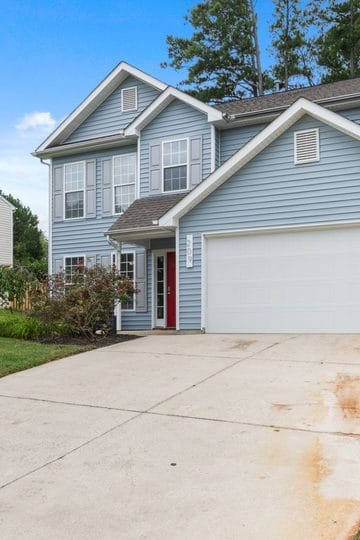
The most serious drainage warning sign is water collecting close to your home’s perimeter. When runoff gathers near the foundation, it can create hydrostatic pressure, encourage slab movement, and raise the chance of moisture intrusion.
You may first notice subtle clues: mulch washing away, soil erosion near the base of the house, damp garage edges, or a musty smell after rain. Sometimes the signs show up indoors, including minor wall cracks, cupping floors, or persistent humidity.
If that pattern sounds familiar, it may be time to look into a professional yard drainage solution in Apollo Beach that addresses grading, runoff control, and subsurface water flow together rather than as isolated problems.
Puddles That Stick Around Longer Than They Should
A puddle right after a heavy storm is normal. A puddle that still sits there the next day deserves your attention. When water lingers for 24 to 48 hours, your yard is showing poor infiltration, grading problems, or blocked runoff paths.
In many areas, that can get worse fast because repeated summer storms don’t give the ground much recovery time. You might notice a low spot near the patio, around downspouts, or along the fence line where neighboring runoff collects.
If you keep stepping around the same wet patch every week, don’t treat it like a seasonal annoyance. Persistent pooling usually means your property’s drainage pattern isn’t working the way it should.
Grass Can Reveal More Than You Think
Your lawn often gives away drainage problems before you notice structural damage. Yellowing grass, patchy growth, moss, or areas that feel spongy underfoot can all point to oversaturation. Roots need oxygen, and waterlogged soil cuts that supply off.
One section of the yard may look unusually lush while the rest struggles. That sounds good at first, but extra-green grass in one zone can signal constant moisture rather than healthy conditions. In other spots, turf may thin out because fungal pressure increases in damp soil.
Watch how your lawn changes across the season. If the same sections fail after every wet period, the issue isn’t just lawn care. It’s likely water management beneath the surface.
Downspouts and Gutters Often Start the Problem
Many yard drainage failures begin at the roofline. If your gutters overflow or your downspouts dump water right next to the house, that concentrated flow can saturate one area over and over. Even a well-graded yard can struggle under that volume.
Take a walk outside during a storm if it’s safe. You may see water shooting off clogged gutters, splashing trenches into flower beds, or pouring onto hardscape and bouncing back toward the structure. Those aren’t small issues. They reshape how water moves across your lot.
Extensions, splash blocks, and catch basins can help, but only when the discharge point actually directs water to a functional outlet. Moving water five feet away doesn’t solve much if it still has nowhere to go.
Hard Surfaces Change How Rain Behaves
Patios, driveways, walkways, and pool decks can increase stormwater runoff. Rain that once soaked into the soil can flow across those surfaces and collect along patio edges or in low spots
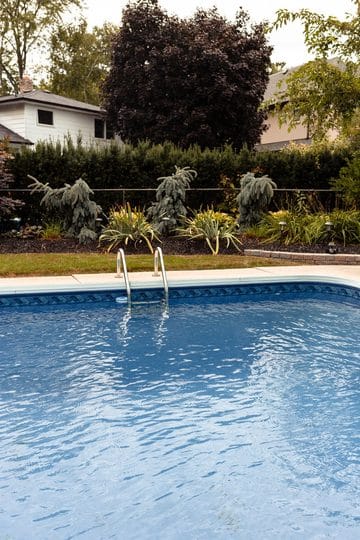
This catches many homeowners off guard after an upgrade project. A new paver area can look perfect and still create drainage trouble if slope and discharge weren’t built into the design. You might see water backing up against the patio, seeping toward the lanai, or draining straight into planting beds until they flood.
Pay attention to where water moves after any landscape or hardscape change. Drainage problems often appear after improvements, not because the work was bad, but because runoff volume and direction quietly shifted.
Erosion Is Water Leaving a Trail Behind
Not all drainage problems look like standing water. Some show up as movement. If you see exposed roots, displaced mulch, washed-out planting beds, or narrow channels forming in the soil, runoff is gaining enough force to carry material away.
That kind of erosion can destabilize landscape features over time. It can also redirect water toward places you don’t want it, including neighboring lots, fence posts, and your home’s foundation zone. In coastal communities, where flat terrain can make flow patterns seem harmless at first, these subtle losses matter.
You don’t need a dramatic gully to confirm there’s a problem. Even repeated minor washout after storms means water is concentrating somewhere instead of dispersing properly across the property.
Mosquitoes and Mildew Can Be Drainage Clues Too
Sometimes the giveaway isn’t visual at all. It’s what the yard feels and smells like. If mosquitoes seem unusually active, mildew keeps returning to lower walls or fences, or the air near one side of your yard stays damp and stale, trapped moisture may be the hidden issue.
Mosquitoes can lay eggs in standing water around your home. After a storm, check flowerpot saucers and other containers, along with low spots in the yard that stay wet.
This matters beyond comfort. Moisture-heavy zones can affect outdoor usability, damage materials, and increase maintenance costs. If one area of your property never seems to dry out, trust that pattern. A yard should recover after rain. If it doesn’t, the drainage system, whether visible or underground, likely needs attention.
When DIY Stops Being Enough
Basic maintenance helps. Cleaning gutters, extending downspouts, and re-leveling small low spots can reduce minor problems. Still, repeated flooding, foundation-adjacent pooling, or large soggy areas usually call for a more technical fix.
That may involve French drains, channel drains, catch basins, swales, regrading, or a combined system designed around your lot’s elevation and runoff load. The right approach depends on where the water starts, how fast it accumulates, and where it can legally and effectively discharge.
If your yard keeps showing the same warning signs, don’t wait for interior damage or major landscape loss. The earlier you respond, the more options you usually have, and the less invasive the repair tends to be. Your backyard rarely stays quiet about drainage trouble for long.