
This post may contain affiliate links. I only recommend products I use and love. Read the full disclosure here
Updated on: July 6, 2026
Originally published on: July 6, 2026
Trees are among the most valuable features in any landscape. They provide shade, improve air quality, enhance property value, and create a more inviting outdoor environment. Yet, like any living thing, trees require regular care to stay healthy and strong.
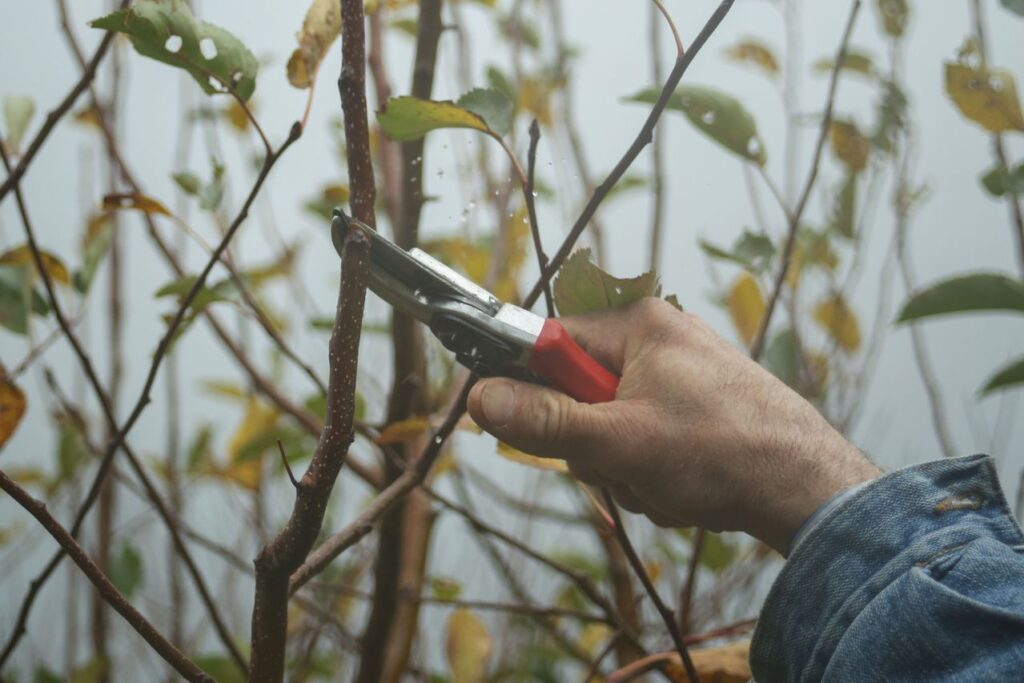
One of the most effective ways to maintain tree health is through regular pruning. While it may seem like a simple maintenance task, proper pruning can significantly extend the lifespan of a tree and reduce the risk of future problems.
Understanding the Importance of Tree Pruning
What Is Tree Pruning?
Tree pruning involves selectively removing branches, stems, or other parts of a tree to improve its health, structure, and appearance.
Professional tree pruning services often focus on removing dead, damaged, or overcrowded branches that may hinder healthy growth or create safety hazards.
Why Trees Need Regular Attention
Trees naturally grow in all directions. Over time, branches can become crowded, weak, or damaged by weather conditions.
Without regular pruning, a tree may struggle to distribute nutrients efficiently. This can lead to poor growth, disease, and structural weaknesses that shorten its lifespan.
The Benefits of Regular Pruning
Improving Tree Health
Pruning helps eliminate diseased, dead, or pest-infested branches before they affect the rest of the tree.
By removing these problem areas, the tree can redirect energy towards healthy growth, much like a gardener removing weeds to help flowers thrive.
Enhancing Safety
Overgrown branches can become dangerous, especially during storms or strong winds. Falling limbs may damage roofs, vehicles, fences, or even cause injuries.
Regular pruning reduces these risks and helps keep your property safe.
Boosting Appearance
A well-pruned tree looks balanced and attractive. Proper shaping can improve the overall appearance of your garden while complementing the surrounding landscape.
Healthy trees often become standout features rather than overgrown eyesores.
When Is the Best Time to Prune Trees?
Seasonal Considerations
Winter is often considered the ideal time for major pruning because many trees are dormant during this period.
Pruning during dormancy allows trees to recover more efficiently and encourages strong growth when the warmer seasons arrive.
Species-Specific Timing
Not all trees follow the same schedule. Some flowering species should be pruned after blooming, while others benefit from seasonal maintenance throughout the year.
Understanding the specific needs of each tree helps ensure the best results.
Different Pruning Techniques Explained
Crown Thinning
Crown thinning involves selectively removing branches throughout the canopy.
This technique improves airflow and allows more sunlight to reach inner branches, helping reduce the risk of disease.
Crown Raising
Crown raising removes lower branches to increase clearance beneath the tree.
This is particularly useful near pathways, driveways, and outdoor living areas.
Deadwood Removal
Deadwood removal focuses on eliminating dead, damaged, or decaying branches.
It is one of the most common forms of pruning and plays a critical role in improving tree safety.
Common Trees That Require Regular Pruning
Native Australian Trees
Many native species benefit from routine pruning. Gum trees, bottlebrushes, and paperbarks often require maintenance to remove damaged limbs and encourage healthy growth.
Regular attention helps these trees withstand harsh Australian weather conditions.
Ornamental Trees
Ornamental trees are often planted for their appearance, making pruning especially important.
Flowering cherries, magnolias, and other decorative species typically require shaping to maintain their visual appeal.
Tools You Need for Effective Pruning
Basic Hand Tools
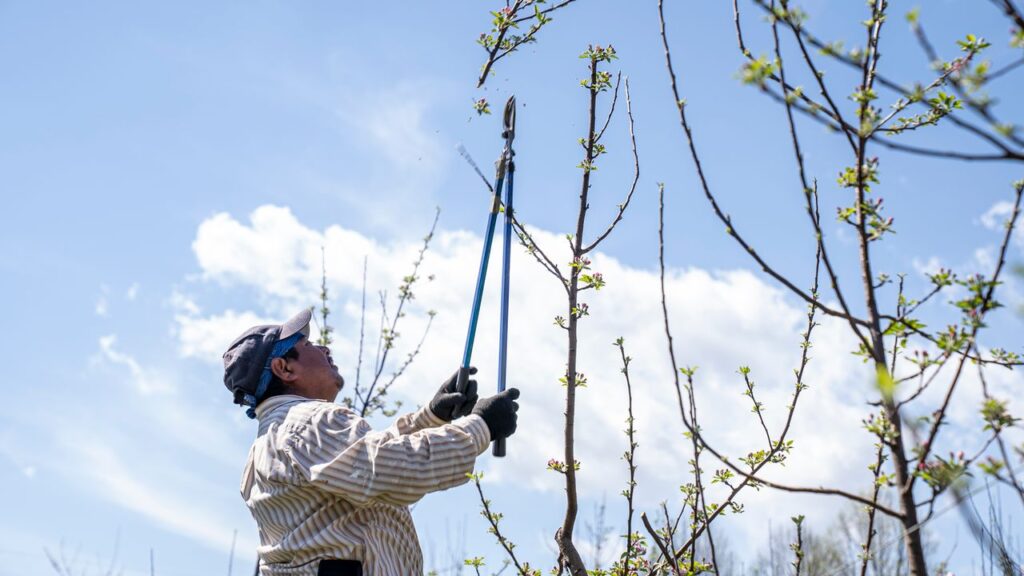
For small branches and routine maintenance, tools such as secateurs and loppers are usually sufficient.
Keeping blades clean and sharp helps create precise cuts that heal more effectively.
Advanced Equipment
Larger pruning jobs may require pole pruners or chainsaws.
However, advanced equipment should be used with caution, particularly when working at heights or near structures.
Signs That Your Trees Need Pruning
Visible Warning Signs
Several indicators suggest a tree may need attention:
- Dead or broken branches
- Dense or overcrowded canopies
- Discoloured leaves
- Excessive branch growth
These signs often appear before more serious problems develop.
Structural Issues
Crossing branches can rub against each other, creating wounds that invite pests and disease.
Storm damage is another clear signal that pruning may be necessary to restore the tree’s stability and health.
How Pruning Affects Tree Health and Growth
Better Airflow and Sunlight
Trees need sunlight and airflow to thrive. Dense canopies can trap moisture, increasing the risk of fungal diseases.
Proper pruning opens up the canopy and creates healthier growing conditions throughout the tree.
Stronger Tree Structure
Strategic pruning encourages stronger branch development and better weight distribution.
Many tree pruning Sydney specialists use structural pruning techniques to help young trees develop a stable framework that supports long-term growth.
Professional vs. DIY Tree Pruning
When DIY Is Suitable
Homeowners can often manage small pruning tasks, such as removing minor dead branches or trimming young trees.
With the right tools and knowledge, basic maintenance can be completed safely.
When to Call a Professional
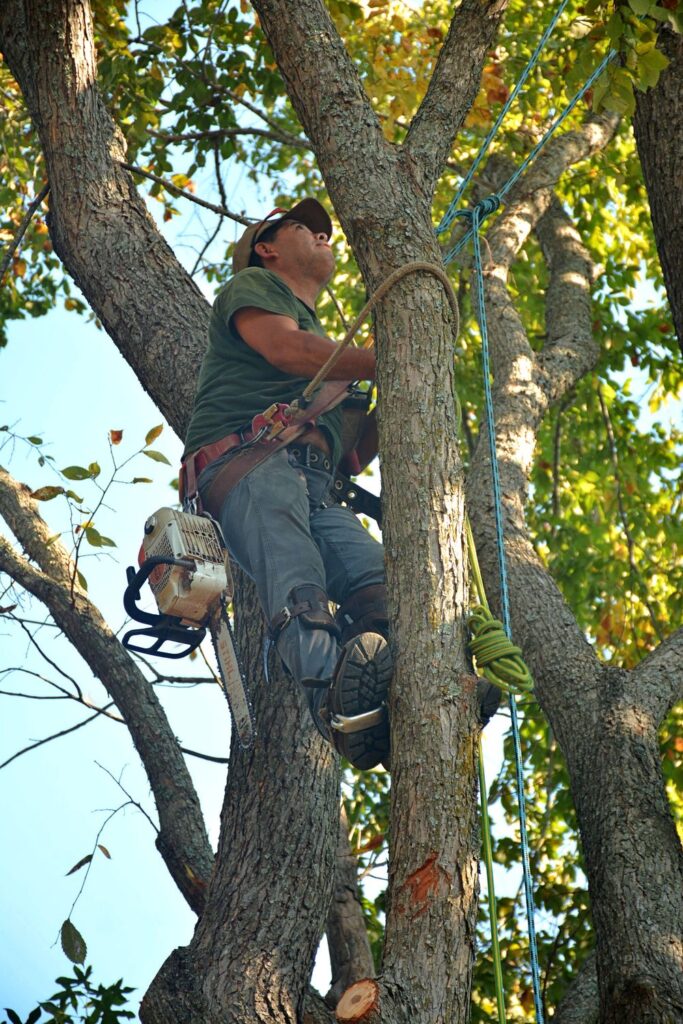
Large trees, storm-damaged branches, and work near power lines should always be handled by qualified professionals.
Tree pruning can be dangerous without the proper equipment and expertise. Hiring an expert helps ensure the work is completed safely and correctly.
Conclusion
Regular pruning is one of the simplest yet most effective ways to extend the life of your trees. It improves health, enhances appearance, promotes stronger growth, and reduces safety risks around your property.
By recognising the signs that pruning is needed and addressing issues early, homeowners can help trees remain healthy and resilient for decades. Whether you handle minor maintenance yourself or engage a professional for larger jobs, consistent pruning is an investment that pays off through stronger, safer, and longer-living trees.