
This post may contain affiliate links. I only recommend products I use and love. Read the full disclosure here
Updated on: September 29, 2026
Originally published on: September 29, 2026
Learning how to build a successful sports team requires more than gathering talented athletes in one place. True success stems from clear organization, continuous communication, and strong shared values.
Whether coaching a youth league or managing a competitive club, establishing standard routines keeps everyone focused on long-term goals. Every coach faces challenges throughout the season, but having a structured strategy helps overcome obstacles quickly.
Establishing Shared Identity Through Uniforms
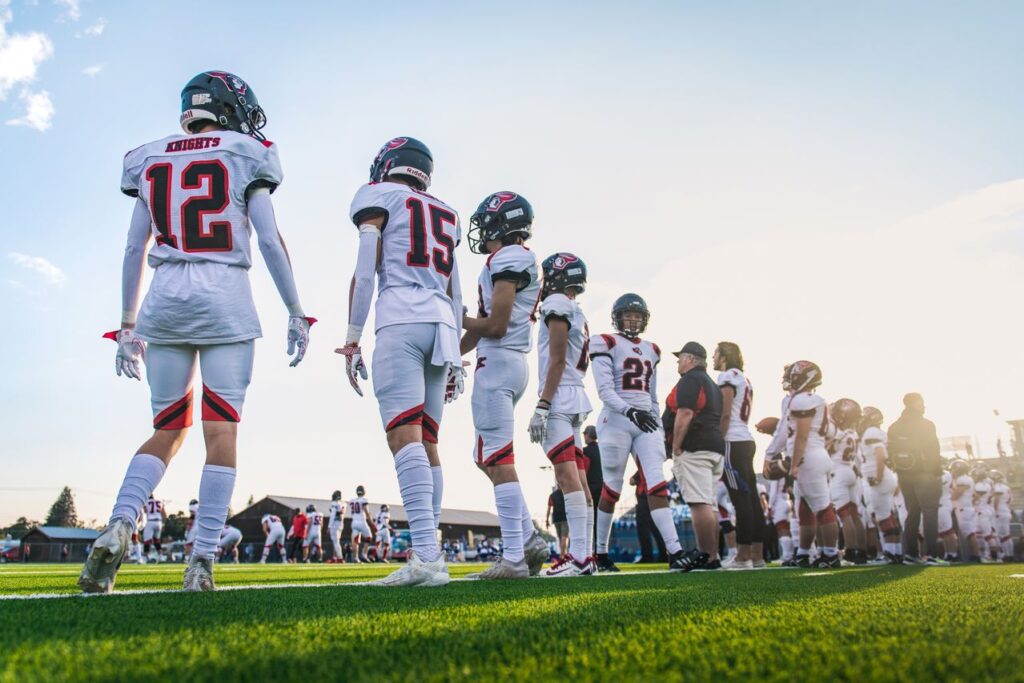
Uniforms play a major role in creating identity for players on and off the field. Ordering Custom Football Team Jerseys gives players a shared sense of pride and visual unity before every big game. Matching apparel helps build team spirit right from the start of the season.
When players look like a cohesive unit, their mindset transforms instantly on game day. Wearing clean, personalized gear gives athletes a sense of belonging that carries into practice sessions. Parents and supporters feel connected when seeing the group step onto the field wearing distinct team colors.
Quality apparel creates a lasting impression on opponents and local supporters. Investing in durable fabric selection makes uniforms withstand tough weather conditions and frequent washing throughout tournament play. Athletes take greater pride in representing their organization when given quality uniforms.
Aligning Everyone Around a Clear Shared Vision
Clear direction keeps every team member moving toward identical targets throughout the season. Industry research shows that a strong vision aligns ownership, management, coaches, players, and staff around a common goal. Shared goals make daily decisions simple for leaders and players.
Leaders must communicate expectations during early pre-season parent meetings. Writing down goals helps clarify success beyond scoreboard results. Players feel motivated when knowing exact outcomes the coaching staff aims to achieve.
Every participant brings different personal motivations to the field each day. Unifying individual motives into a collective mission creates strong locker room cohesion. Weekly reviews help evaluate whether daily efforts match stated goals.
Developing Comprehensive Performance Planning
Planning covers much more than daily practice routines or game strategy. A recent framework indicates that effective team performance planning brings together physical preparation, culture, recovery, and logistics into a joined-up system that supports players and coaches across the season. Structured preparation keeps everyone accountable throughout challenging schedules.
Coaches must balance training intensity with adequate rest days to prevent athlete burnout. Proper scheduling prevents injuries through gradual physical conditioning across several months. Managing travel logistics early reduces stress for athletes and family members.
Key elements of effective performance planning include:
- Customized strength training schedules for individual position requirements
- Scheduled recovery sessions following intense weekend tournaments
- Organized travel logistics and nutrition plans for away competitions
- Regular team feedback sessions after major match weekends
Developing habits requires patience from coaches and players. Small daily improvements stack up into major performance gains with each passing week. Having a clear roadmap reduces confusion when unexpected disruptions occur.
Establishing Structured Meeting Routines
Regular communication keeps information flowing between coaches, players, and support staff. Performance studies highlight that high-performing teams are 39% more likely to have pre-work for meetings and 55% more likely to start off with a check-in that gives progress updates. Short structured meetings maximize productivity without exhausting players.
Pre-work prepares athletes to discuss game footage or tactical strategy effectively. Starting sessions with quick updates lets coaches address minor concerns before they grow larger. Clear agendas help maintain focus during video sessions or pre-game talks.
Athletes appreciate organized meetings that respect their busy schedules. Brief discussions keep player attention sharp and engagement levels high. Setting expectation guidelines for meeting attendance builds professional habits early in young players.
Encouraging Open Communication on the Sidelines
Clear dialogue prevents misunderstandings during high-pressure matches. Coaches ought to maintain approachable body language during intense competition. Players perform better when feeling comfortable asking questions about strategy adjustments.
Constructive feedback helps players correct mistakes without feeling discouraged. Direct talk builds mutual trust between coaching staff and young athletes. Creating clear communication channels reduces locker room drama across the season.
Parents play a key role in supporting constructive dialogue from the sidelines. Establishing clear boundary lines for parental involvement keeps focus on player development. Open communication channels resolve misunderstandings quickly before affecting group morale.
Balancing Skill Training with Team Bonding
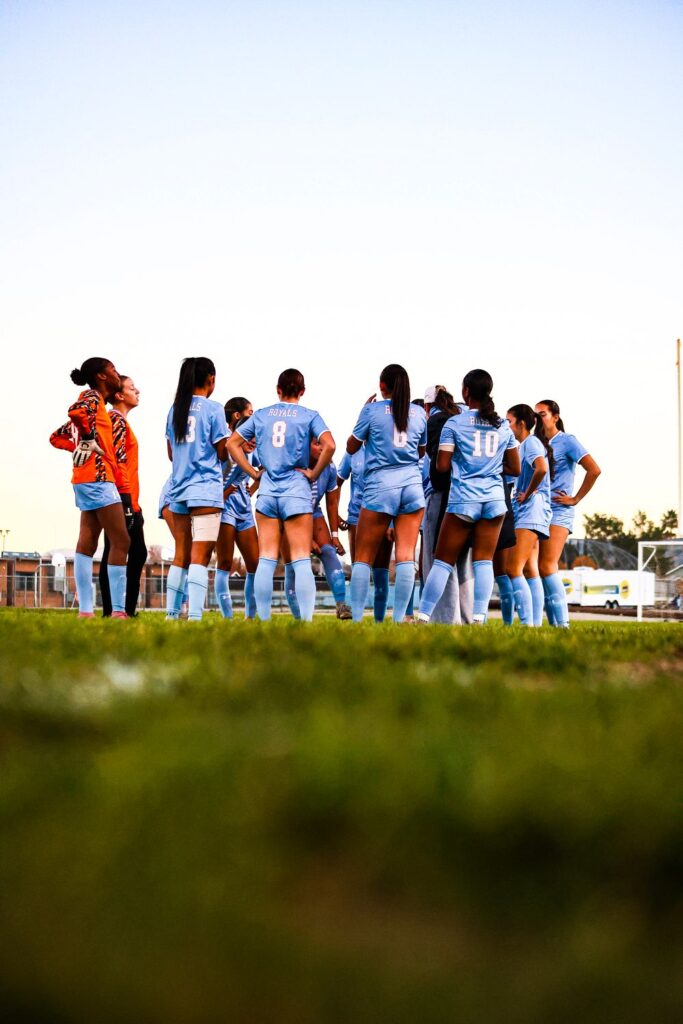
Technical drills develop physical capabilities, but personal relationships create trust. Organizing group activities away from the field builds deep friendships between teammates. Strong personal bonds lead to better cooperation during tight game situations.
Coaches should plan regular social events that let athletes relax without competitive pressure. Shared meals and fun activities build memories that last longer than winning streaks. Teammates who support each other off the field work harder during games.
Popular team bonding activities include:
- Post-game pizza dinners hosted by team parents
- Group community service projects supporting local charities
- Pre-season outdoor camping trips or team-building exercises
- Group viewing parties for professional championship games
Creating fun moments outside formal training builds a warm environment. Players look forward to attending practice when enjoying time with their peers. Positive memories strengthen commitment to the group.
Setting Measurable Goals for Individual Growth
Personal growth drives group success across every sports discipline. Setting individual performance metrics allows athletes to track personal growth weekly. Targeted benchmarks show players how personal effort directly benefits squad objectives.
Coaches must conduct individual review sessions to set realistic development milestones. Celebrating small personal breakthroughs keeps player motivation high. Tracking physical metrics provides objective proof of hard work paying off.
Tailored training plans help struggling players regain confidence at their own pace. Advanced athletes receive extra challenges to keep their skill progression active. Balanced attention ensures every athlete feels valued regardless of starting lineup status.
Promoting Discipline and Mutual Respect
Respect among teammates creates an ideal environment for learning and athletic competition. Standards of behavior must apply equally to every participant on the roster. Consistent discipline builds credibility and trust between head coaches and players.
Teaching punctuality and sportsmanship prepares young athletes for future challenges in life. Leaders must model respectful behavior when interacting with referees and opposing coaches. Respectful environments encourage athletes to take risks without fear of harsh criticism.
Handling disciplinary matters privately protects player dignity and maintains high team standards. Setting clear guidelines during pre-season avoids confusion later when rules need enforcement. Shared accountability strengthens group resolve during difficult moments of a season.
Building a successful sports team takes time, patience, and clear leadership practices. Concentrating on shared objectives, open communication, and positive culture leads any group to victory. Focus on player growth today to build a winning tradition that lasts for years to come.