Updated on: November 2, 2026
Originally published on: November 2, 2026
Coastal home design starts with those beautiful views, but there’s plenty to think about beyond the scenery. A home by the water needs to feel comfortable, suit everyday life, and stand up to salt air, moisture, and changing weather. Planning for those details early can help you create a home that’s as practical as it is inviting.
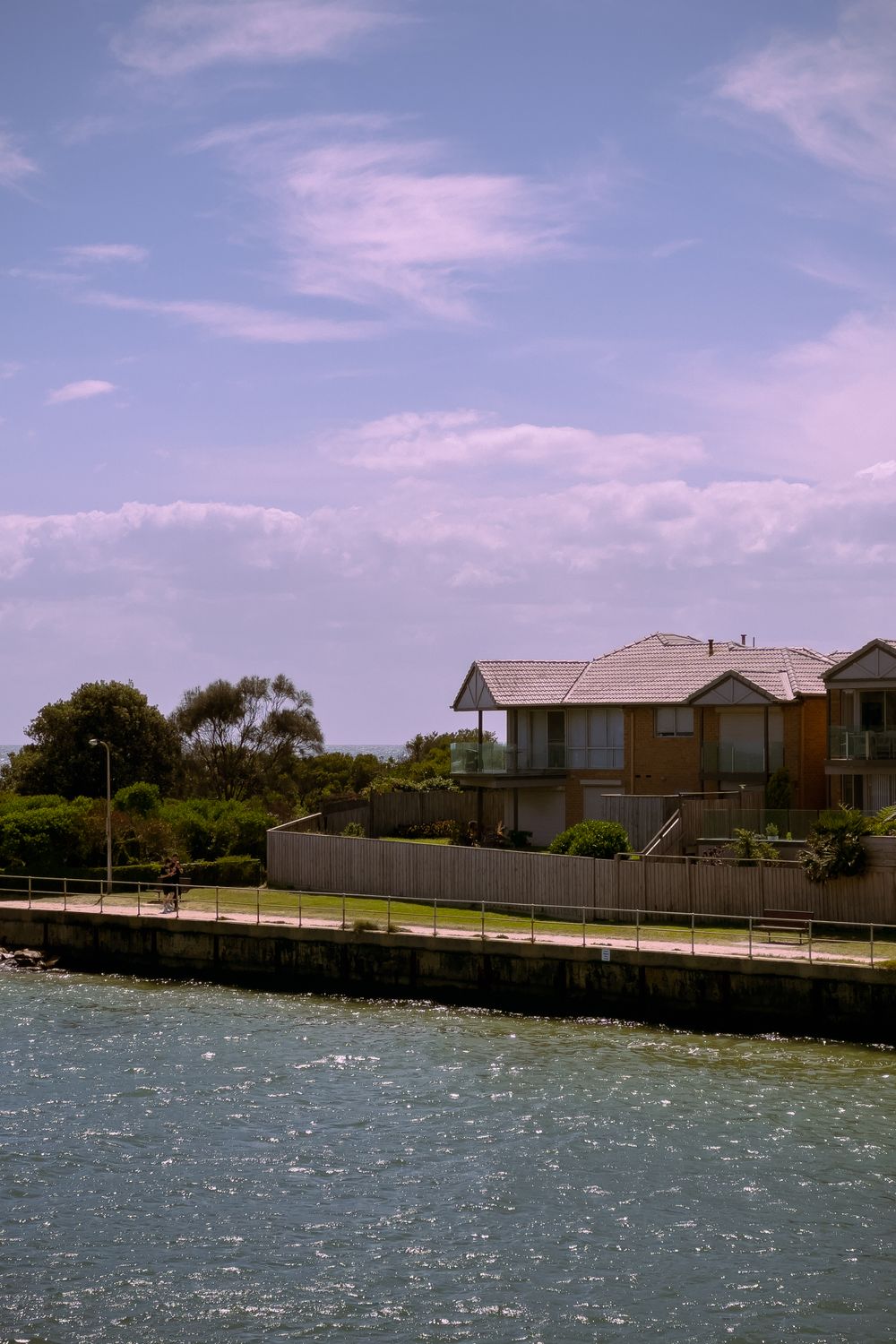
From choosing the right site to maximizing natural light and selecting durable materials, every decision can influence how a home looks and performs over time. Thoughtful coastal architecture brings these elements together to create inviting, functional spaces that complement the landscape and suit the way people want to live.
Start With the Site, Views, and Natural Light
Successful coastal home design begins with understanding the property. The site's orientation, topography, prevailing winds, vegetation, and surrounding buildings can all influence the layout and architectural approach. Positioning living areas toward desirable views and placing windows strategically can help maximize daylight while maintaining privacy and comfort.
Natural light is particularly important in coastal homes, where expansive windows and carefully positioned openings can strengthen the connection between indoor spaces and the surrounding landscape. However, glazing should also be considered in relation to solar exposure, glare, and heat gain.
Coastal home site planning should account for potential flooding, erosion, and local building requirements before the design is finalized. By responding to the property's specific conditions, architects can create homes that make the most of their setting without overlooking practical constraints.
Create Seamless Indoor-Outdoor Living Spaces
Indoor-outdoor living is a defining feature of many modern coastal homes. Terraces, covered patios, balconies, and landscaped courtyards can extend living areas beyond the walls of the house, creating more opportunities to relax, entertain, and enjoy the surrounding environment.
Large sliding glass doors, open-plan layouts, and complementary interior and exterior materials can create a sense of continuity between these spaces. Covered outdoor areas may also provide shade and shelter, helping homeowners use them more comfortably throughout the year.
The best coastal outdoor living spaces are designed around the local climate and the homeowner's lifestyle. Rather than adding a terrace purely for visual appeal, consider how it connects to the kitchen, living room, garden, or pool. This approach makes the coastal home layout feel intentional and functional.
Choose Materials That Suit the Coastal Environment
Material selection plays an important role in both coastal home exterior design and long-term maintenance. Salt-laden air, moisture, strong sunlight, and wind can affect building materials differently depending on the property's location and exposure.
Coastal building materials should therefore be selected for their appearance, performance, installation requirements, and maintenance needs. Suitable options may include corrosion-resistant metal fixtures, appropriately specified roofing, durable exterior cladding, stone, and treated or naturally durable timber. Window and door systems should also be chosen with local weather conditions in mind.
The goal is to balance durability with architectural character. Natural textures, carefully selected finishes, and complementary materials can create a distinctive exterior without sacrificing practical performance. No material is entirely maintenance-free, so product specifications and manufacturer recommendations should guide the final choices.
Balance Coastal Style With Comfort and Durability
A successful coastal home design balances visual appeal with everyday comfort. Modern coastal architecture often uses neutral colors, natural textures, and simple forms to create a relaxed atmosphere without sacrificing functionality.
Naples FL architects can help homeowners consider how shading, natural ventilation, insulation, and window placement work together to support year-round comfort. These choices also contribute to sustainable coastal architecture by reducing reliance on artificial lighting and mechanical cooling. The goal is to create a home that feels connected to its surroundings while remaining practical, comfortable, and durable.
Plan Ahead for Long-Term Maintenance
Coastal home maintenance should be considered during the design stage, not only after construction is complete. Choosing suitable finishes, allowing access to exposed surfaces, and planning for routine inspections can make ongoing care more manageable.
Salt and moisture may contribute to corrosion, while sunlight and weather exposure can affect exterior finishes. Regular cleaning, checking sealants, and inspecting vulnerable materials can help identify potential issues before they become more extensive. Maintenance schedules should follow manufacturer guidance and reflect the home's specific environmental exposure.
Planning ahead helps homeowners understand the ongoing care their property may require and make informed decisions about materials and detailing. This is an important part of creating a coastal home that remains attractive and functional over time.
Make Your Coastal Home Design Work for You
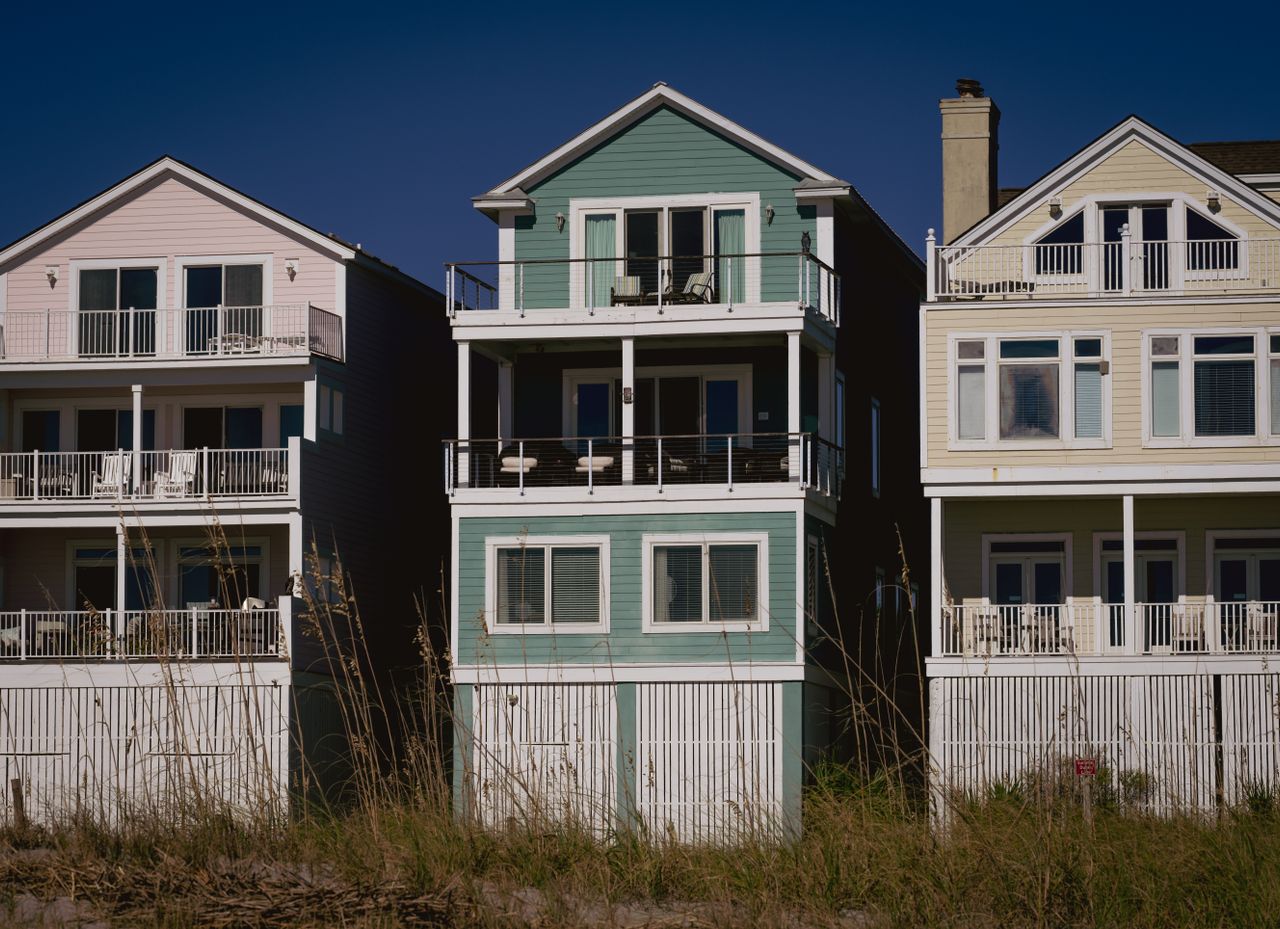
The most successful coastal home design responds to the site, reflects the homeowner's lifestyle, and balances visual appeal with long-term performance. Careful planning can help make the most of natural light and views, create inviting indoor-outdoor spaces, and select materials suited to the surrounding environment.
Every coastal property presents different opportunities and challenges, so there is no single design approach that works for every home. Considering these factors early can make the design process more informed and help align architectural decisions with practical needs.
Whether planning a contemporary seaside residence or a relaxed coastal retreat, working with an experienced residential architect can help translate ideas into a cohesive design. The result should be a home that complements its setting, supports everyday living, and makes the most of coastal life.