Updated on: October 29, 2026
Originally published on: October 29, 2026
The right home audio upgrades can help fix those frustrating moments when your sound isn't quite right. Maybe the dialogue in your favorite movie is too quiet, the bass overwhelms everything else, or your headphones keep cutting out halfway through a song.
The good news? You don't necessarily need an expensive sound system to fix these problems. Sometimes, a few thoughtful changes can noticeably improve your listening experience.
Before spending money on new equipment, figure out what's holding your current setup back. Poor speaker placement, worn-out cables, and incorrect audio settings can all affect what you hear.
If you're wondering where to put your money, here are seven home audio upgrades that can make a real difference without requiring you to replace everything you already own.
1. Upgrade Your Speakers Before Anything Else
If your music sounds flat or you struggle to hear dialogue clearly, your speakers are a sensible place to start.
Built-in television speakers are convenient, but their small size and positioning can limit sound quality. A pair of bookshelf speakers or a suitable soundbar may offer clearer dialogue and better separation between voices, music, and background effects.
Before buying anything, consider how you use your system.
- For movies, prioritize clear dialogue and easy TV connectivity.
- For music, look for speakers that reproduce vocals and instruments naturally.
- For smaller rooms, compact bookshelf speakers may be more practical than large floor-standing models.
You don't have to buy the most expensive speakers available. A well-matched pair positioned correctly can provide a satisfying listening experience for everyday use.
2. Improve Speaker Placement Before Buying More Equipment
Sometimes, improving your audio costs nothing. Where you position your speakers can significantly affect how music sounds throughout a room. Placing speakers too close to walls or corners can make bass sound boomy, while blocking them with furniture may affect clarity.
Start with speaker placement guidelines that position your main speakers at roughly ear level when seated. Try moving them slightly away from the wall and adjusting their angles until voices sound centered and instruments feel balanced.
Rooms with hard floors and bare walls can also create noticeable echoes. Adding a rug or curtains may help control reflections.
Experiment with what you already have before spending money on acoustic accessories.
3. Invest in Headphones That Suit Your Listening Habits
A good pair of headphones can be one of the most practical audio upgrades, particularly if you share your home with family members. They let you enjoy music without disturbing someone watching television, working, or sleeping nearby.
The trick is choosing headphones that match your habits rather than purchasing based on appearance. Over-ear headphones can be comfortable for longer listening sessions, while in-ear monitors (IEMs) are compact and easy to carry.
If you mostly listen at home, wired headphones are worth considering. They don't need charging and can work with a wide range of compatible audio equipment. Specialist audio retailers such as Moon Audio offer options for listeners who want to compare different headphone designs and accessories.
Whatever you choose, prioritize comfort, fit, and durability. Headphones that sound impressive but become uncomfortable after half an hour probably aren't the right investment.
4. Replace Worn-Out or Incompatible Audio Cables
Audio cables aren't particularly exciting, but they play an important role in connecting your equipment.
A damaged cable can cause crackling, intermittent sound, or complete signal loss. Fortunately, replacing the cable may solve the problem without requiring new headphones or speakers. This is especially useful if you own in-ear monitors with detachable cables.
When choosing a replacement, look beyond just finding a cable that fits. Different cables offer varying materials, connector options, and construction, so you can choose one that suits your equipment and listening habits. When comparing replacement earphone cables from Moon Audio and other retailers, check that the connectors are compatible with your earphones
Before buying a cable, check three things:
- Connector Type: Your earphones might use two-pin or MMCX connectors, which aren't interchangeable.
- Cable Length: Choose something comfortable for your usual listening setup.
- Construction: Look for secure connectors, flexible materials, and adequate strain relief.
Remember, an expensive cable won't automatically make a properly functioning system sound better. Compatibility, reliability, and physical condition should come first.
5. Consider an External DAC for Your Digital Music
If you regularly listen to music through a computer or other digital device, you might have come across the term DAC. A digital-to-analog converter takes digital audio information and converts it into a signal that headphones or speakers can reproduce.
Most smartphones, computers, and digital audio devices already contain a DAC. However, an external model may be useful if your existing audio output produces unwanted noise or doesn't support your preferred connections.
Some external DACs also include headphone amplification, making them convenient for desktop listening. Before buying one, check whether your current equipment actually has a problem worth solving.
If your headphones already sound clean and your volume levels are adequate, an external DAC might not be the upgrade you need.
6. Add a Subwoofer if Your System Lacks Bass
Do explosions in movies sound underwhelming? Does your favorite music seem to lack depth? A subwoofer might be worth considering.
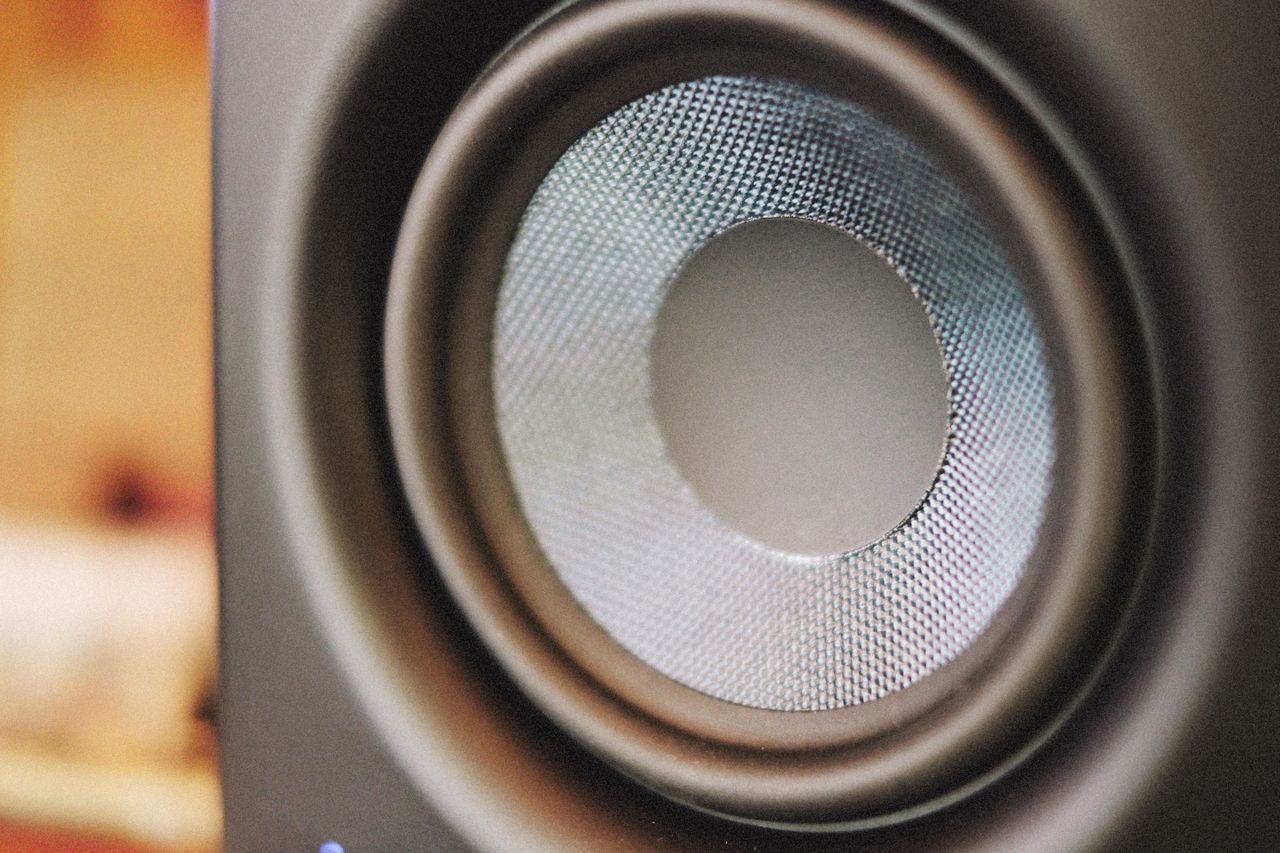
Subwoofers reproduce low-frequency sounds that smaller speakers may struggle to deliver. They can make movie soundtracks feel fuller and give bass-heavy music more presence. However, adding one isn't always necessary.
If you mainly listen to podcasts, audiobooks, or acoustic music, your existing speakers might already provide everything you need.
If you do decide to add a subwoofer, check that your audio system supports one. Start with a moderate volume and adjust its crossover settings so the bass supports your main speakers rather than overwhelming them.
Understanding how subwoofer crossover settings work can help you blend the bass with your main speakers.
A properly adjusted subwoofer should sound like part of the system, not a separate speaker competing for attention.
7. Upgrade Your Amplifier When Your Speakers Need More Power
An amplifier can be worth upgrading if your current equipment struggles to drive your speakers properly. You might notice distortion when turning up the volume or find that your amplifier lacks the connections needed for additional devices.
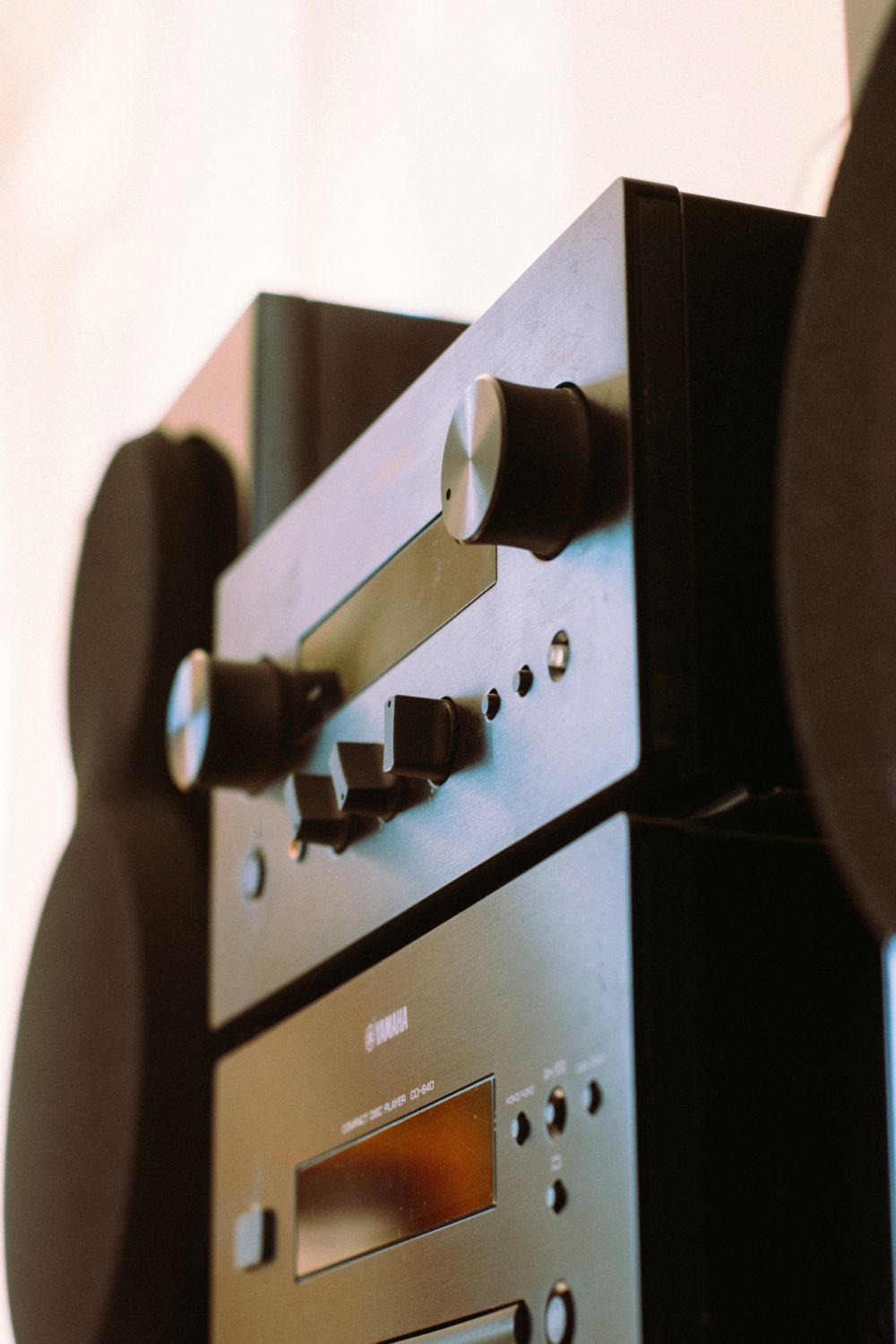
Before shopping, check your speakers' power requirements, impedance, and compatibility with your existing amplifier. If you're putting together a traditional stereo system, an integrated amplifier can be convenient because it combines volume control, source selection, and power amplification in one unit.
However, if your current amplifier works well and produces clean sound at normal listening levels, there's little reason to replace it simply because a newer model exists.
Choose equipment based on an identifiable need rather than assuming a higher price guarantees better sound.
Final Thoughts
Getting better sound at home doesn't have to mean replacing your entire entertainment system. Often, the smartest upgrades are the ones that solve a specific problem. Start by listening carefully to your current setup. Are your speakers poorly positioned? Do your headphones feel uncomfortable? Are damaged connections interrupting your music?
Fix those issues first, then consider whether additional equipment would genuinely improve your experience. There's no need to purchase everything at once, either. Making one improvement at a time allows you to hear what has changed and decide where your money is best spent.
Ultimately, a worthwhile home audio upgrade isn't necessarily the newest or most expensive piece of equipment. It's the one that makes listening to your favorite music, movies, and shows more enjoyable.