
Updated on: October 29, 2026
Originally published on: October 29, 2026
When your refrigerator stops working, protecting your groceries quickly becomes a priority. With fresh groceries and frozen foods at stake, knowing what to check first can help you protect your food, spot simple problems, and avoid unnecessary expenses.
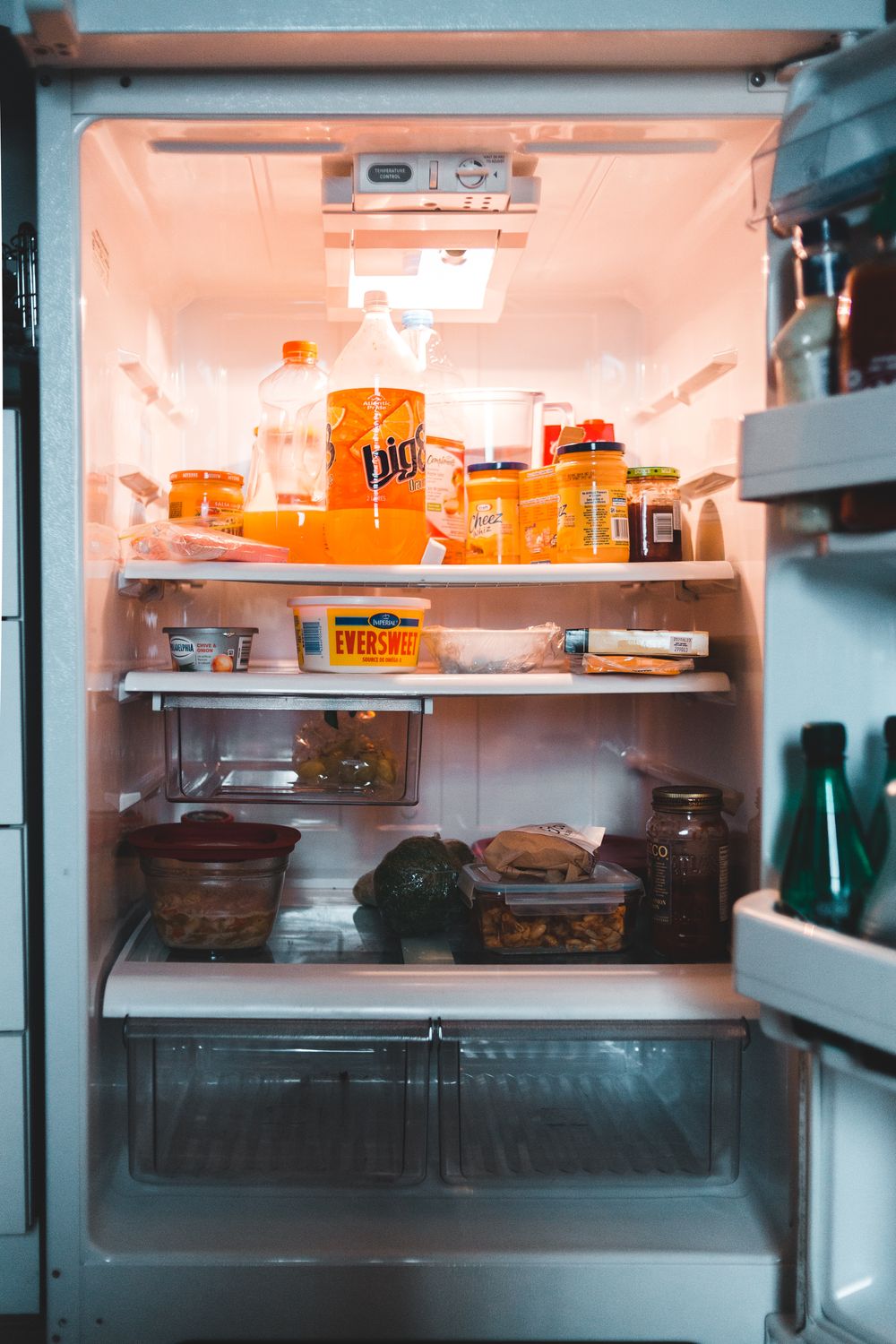
The good news is that not every refrigerator problem calls for an expensive repair or a new appliance. Some issues have simple solutions, while others need professional attention. Here's how to identify the problem, protect your groceries, and decide what to do next.
Check for Simple Problems First
Before assuming the refrigerator needs an expensive repair, start with the basics. A few simple checks can help you spot minor issues and potentially avoid an unnecessary service call.
Start by confirming that the appliance is plugged in securely. If the interior light is off, check the circuit breaker and test the outlet with another device. A tripped breaker or loose connection could explain why the refrigerator suddenly stopped operating.
Next, inspect the temperature controls. Settings sometimes change accidentally, particularly when groceries are being rearranged. The recommended refrigerator and freezer temperatures are 40°F or below for the refrigerator and 0°F for the freezer.
Other simple checks include:
- Door seals: Look for gaps, cracks, or debris preventing the doors from closing properly.
- Air vents: Remove items blocking internal airflow.
- Condenser coils: Check for dust buildup that could affect cooling performance.
- Unusual sounds: Listen for clicking, buzzing, or repeated attempts to start.
If these checks reveal nothing obvious, further troubleshooting or professional assistance may be necessary. A qualified technician can identify problems that are not immediately visible and determine whether your refrigerator needs a repair or replacement.
Protect Food Before It Spoils
While figuring out what's wrong, don't forget about the food inside. You may have more time than you think to protect your groceries, especially if you act quickly and keep the doors closed.
First, resist the temptation to keep opening the refrigerator to check on everything. During a power outage, food can stay cold for about four hours in a refrigerator with the door closed. A full freezer can maintain its temperature for approximately 48 hours, or 24 hours if half full, provided its door stays closed too. If the appliance stopped cooling before you noticed, don’t assume that full window remains.
If cooling cannot be restored quickly, consider these practical steps:
- Transfer perishables: Move meat, dairy products, and other temperature-sensitive foods into a functioning refrigerator or cooler with ice.
- Monitor temperatures: Use an appliance thermometer to determine whether food remains within safe limits.
- Organize essentials: Prioritize items that require continuous refrigeration.
- Discard unsafe food: Refrigerated perishables held above 40°F for more than two hours generally need to be discarded.
Food safety matters more than preserving every grocery item. Appearance and smell alone cannot reliably determine whether food is safe to eat.
Decide Whether to Repair or Replace
Once you've protected your groceries, it's time to consider a bigger question: Is your refrigerator worth repairing, or would replacing it make more sense?
A professional diagnosis can help you understand what's wrong and how much it might cost to fix. Issues involving thermostats, door seals, or certain electrical components may be relatively straightforward to repair. Compressor failures and major cooling system problems often require more extensive work.
The refrigerator's age also matters. An older appliance with repeated breakdowns may continue generating maintenance expenses, even after a successful repair. Comparing the estimated repair cost with the price of a suitable replacement can help you decide whether another repair is worth the expense or whether replacing the appliance may be more practical in the long run.
If replacement becomes unavoidable, the upfront cost can put pressure on a household budget, especially when the expense was not planned. At that point, you might compare what savings you have available, whether any payment arrangements are offered, or whether borrowing options could help cover the cost. Interest rates, fees, repayment terms, and total costs deserve careful consideration before taking on any financing.
The goal is to restore reliable refrigeration without creating unnecessary financial pressure. A clear spending limit helps narrow the available choices.
Arrange Professional Repairs
If you decide to arrange a repair, finding a qualified technician is the next step. Gathering a few details before making the call can save you time and help the process go more smoothly.
Before scheduling an appointment, several steps can make the repair process more efficient:
- Document the problem: Record the appliance's model number, approximate age, and symptoms, including inconsistent cooling, unusual noises, or water leaks.
- Explain previous troubleshooting: Describe when the issue started and which basic checks have already been completed.
- Compare repair estimates: Ask about diagnostic fees, service charges, replacement parts, and estimated repair timelines.
- Review warranty coverage: Check whether the refrigerator remains covered by a manufacturer warranty or service agreement.
Providing these details helps technicians assess the problem and gives you a clearer understanding of potential expenses. Comparing written estimates also makes it easier to select a repair service that fits the household budget.
Once repairs are complete, monitoring the refrigerator's temperature helps confirm that cooling has returned to normal. Food should only be restocked when appropriate temperatures have been restored.
Prevent Future Refrigerator Problems
Whether you've repaired your existing refrigerator or replaced it with a new one, a little routine maintenance can help reduce the risk of future problems. You don't need an extensive maintenance routine to spot potential issues early. A few simple habits can make a difference.
Clean the Condenser Coils
Dust and debris around condenser coils can interfere with heat release. Check your appliance manual for cleaning instructions and recommended maintenance intervals. Unplugging the refrigerator before cleaning accessible components is an important precaution.
Inspect Door Seals
Refrigerator doors need to close tightly to maintain consistent internal temperatures. Regularly cleaning the seals and checking for visible damage helps prevent warm air from entering. Damaged seals may need replacement.
Monitor Cooling Performance
An appliance thermometer provides a simple way to check refrigerator and freezer temperatures. Unexpected fluctuations, excessive frost, or unusual operating sounds can indicate developing issues.
You can also keep digital copies of purchase receipts, warranty documents, and repair records. Having these details readily available simplifies future service requests and supports informed decisions about maintenance expenses.

Keeping the Kitchen Running Smoothly
A refrigerator breakdown requires quick decisions, but a practical approach makes the situation easier to manage. Checking basic components, protecting food, and obtaining reliable repair estimates helps you determine the most appropriate solution.
When replacement becomes necessary, comparing costs and reviewing the household budget supports a more informed purchase. Combined with regular maintenance, these steps help restore a dependable kitchen routine and prepare households for future appliance problems.