
Updated on: November 18, 2026
Originally published on: November 18, 2026
When you’re fitting an online shop around another job, choosing a payment processor for small online shops can feel like one more thing to check off. You pick one that works with your website, make sure customers can pay, and get back to finishing products and packing orders.
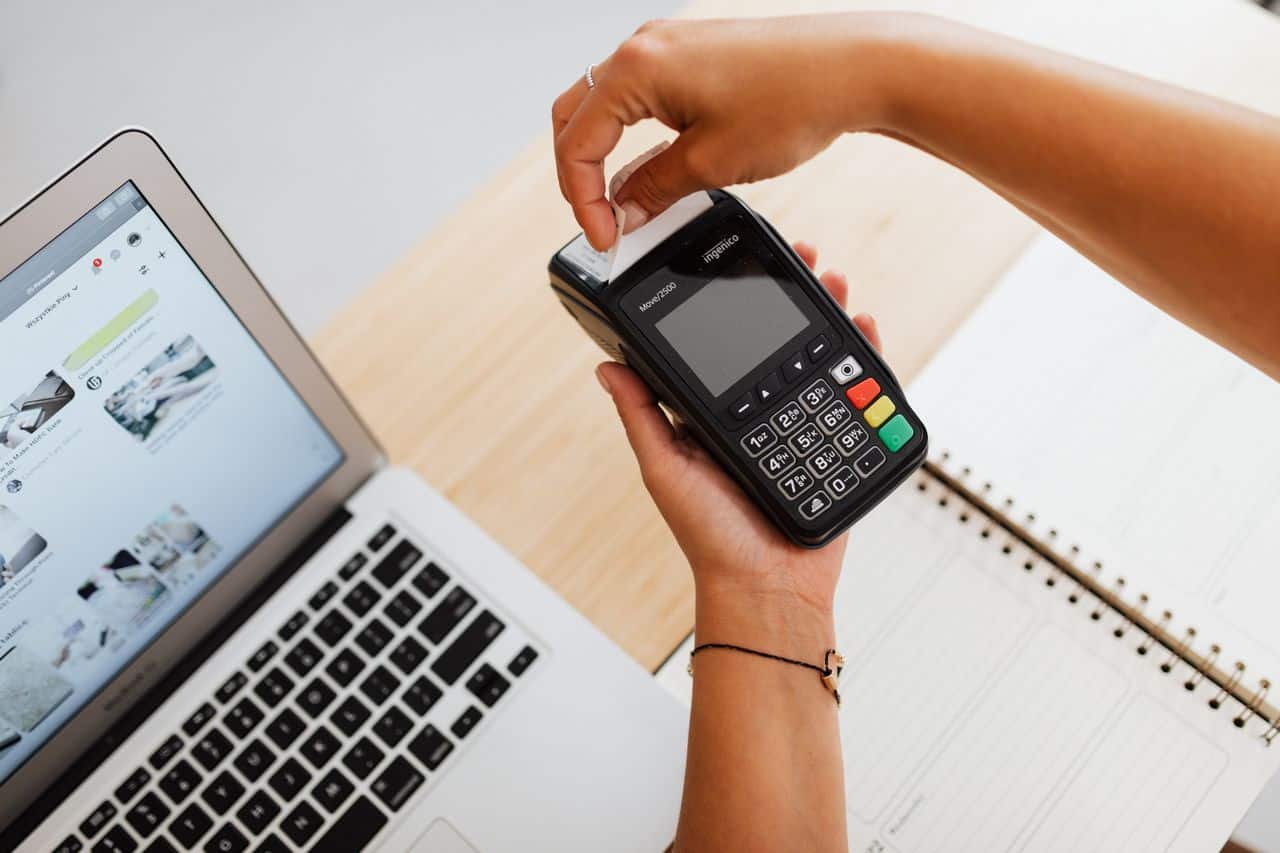
You have good reason to keep things simple. But once a payout takes longer than expected, the arrangement deserves a closer look. You've already paid for postage and bought supplies for the next batch. You were counting on that money.
Most sellers would happily spend less time thinking about payment processing. Getting a few details straight early on can help keep it that way.
Start With the Orders You Actually Take
A shop selling a few handmade candles each week has fairly straightforward needs. Customers place an order, pay, and wait for delivery. An easy checkout and dependable payouts may cover most of what the owner wants.
With a subscription box, there's more to consider. Payments repeat every month, cards expire, and customers sometimes forget they've signed up. The seller needs a service that handles recurring billing properly, including what happens when a payment fails.
Custom jewelry raises different questions. An expensive order placed by an overseas buyer may receive closer scrutiny from a provider. That doesn't make it a bad order, but the seller should understand how those transactions are handled.
Describe your business to a prospective processor in those everyday terms. Include what you sell, how much customers typically spend, and where they're based. Ask about the payment methods they can use and how refunds work. If you sell physical products, review the shipping and refund rules for online orders before setting your shop policies.
If sales are seasonal, mention that as well. You want to know whether the service fits before you've built your checkout around it.
Why a Small Business Can Be Called High Risk
“High risk” sounds harsh when you're selling perfectly legitimate products from a spare bedroom. In payment processing, though, the label reflects how the provider assesses the business. It isn't automatically a judgment about the owner's honesty.
The industry, typical purchase amount, billing arrangements, and history of disputes can all affect that assessment. Consider the subscription customer who forgets about a monthly order. When the next charge appears, they contact their bank. The seller may have explained the subscription clearly, but repeated disputes can still concern the processor.
For businesses that struggle to meet a standard provider's requirements, companies such as Adaptiv Payments offer merchant accounts designed for higher-risk businesses.
The account terms still need a careful read. Specialized accounts can cost more, require additional paperwork, or involve a reserve that holds back some funds. Find out what those terms would mean for the money available to run your shop.
A seller with straightforward sales and very few disputes may be perfectly happy with a standard account. The useful question is whether the provider accepts your business model on terms you understand.
Work Out the Cost of an Ordinary Month
A transaction rate is easy to compare. The total bill takes a little more effort. On a $25 candle, a small difference in fees might barely register. Across dozens of orders a week, it becomes an expense you want to understand.
Then there are charges that might sit outside the advertised rate, such as monthly account fees or costs attached to international payments, refunds, and disputes.
Ask for an estimate using your own figures. What would you pay in a month with fifty orders at your usual price? What happens if you only sell ten?
That second question matters if you're turning a side hustle into a successful small business. Packaging and website costs don't necessarily disappear during a quiet month. A processing plan with a monthly minimum can leave you paying more than the headline rate led you to expect.
A slightly higher rate may be manageable if the overall costs are predictable. Get the full fee schedule and check the contract terms before deciding. Once you start taking payments, save your processor statements with your small-business income and expense records.

Leave Room for the Occasional Dispute
You've shipped a personalized gift. Tracking says it was delivered, but the buyer says they haven't received it. Before you've had a chance to investigate, they've contacted their bank. You're left gathering order details and messages, possibly with a dispute fee to pay as well.
It's tempting to assume the customer is being dishonest. Sometimes the explanation is less clear-cut. A delivery has gone missing, a refund hasn't arrived when expected, or the name on the bank statement looks nothing like the shop they remember buying from.
Recognizable billing details, clear return terms, and replies that address the customer's concern can help with resolving payment disputes before they become chargebacks.
Keep the paperwork somewhere you can find it. Order confirmations, delivery records, and customer correspondence are easier to gather as you go than to reconstruct when a bank requests evidence.
Your processor should also explain how it handles these cases. Ask how you'll hear about a dispute, what you can submit in response, and which fees apply if it is resolved in your favor.
Deciding Whether Your Current Setup Still Works
A growing shop doesn't automatically need a new payment processor. If yours handles the orders reliably and the costs make sense, staying put may be the easiest decision.
Recurring delays or unexpected account reviews give you a reason to investigate. Start by asking the current provider what's causing the problem. Then compare alternatives using the same sales figures and questions.
Pay attention to the answers about support. If you can't get a clear explanation of a fee before signing up, you'll have little reassurance about getting help when a payout is late.
You need a service you can afford and understand, with terms that suit the orders you take. That leaves you more time for the part of the business you wanted to run.