
This post may contain affiliate links. I only recommend products I use and love. Read the full disclosure here
Updated on: August 23, 2025
Originally published on: August 23, 2025
In interior design, lighting plays a huge role in both function and atmosphere. The right choice can turn a plain space into something warm, inviting, and practical. That’s where smart lighting design tips come in handy. With so many fixture styles, bulb types, and layouts to pick from, knowing what works best in each room can make the process a lot easier.
Different rooms call for different lighting strategies, and the right mix goes beyond looks. In this guide, you’ll find helpful advice for choosing lights that not only enhance your home’s style but also make everyday living more comfortable.
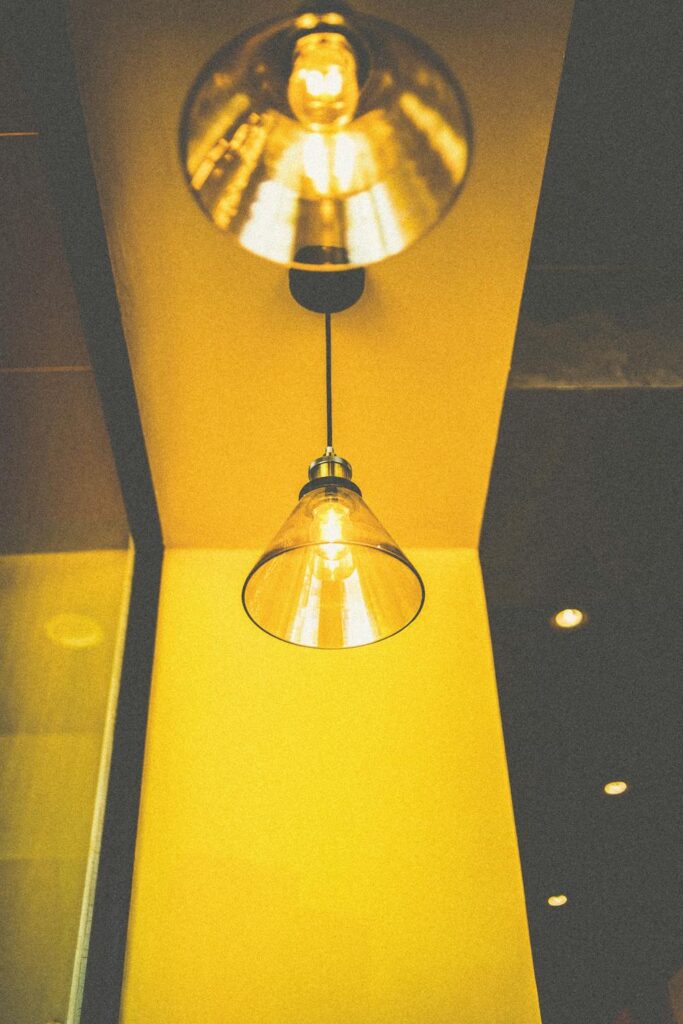
Different Types of Lighting
Before getting into specific fixtures, it’s essential to understand the three main types of lighting: ambient, task, and accent. Ambient lighting is the primary source of illumination, effectively lighting up an entire room. This type includes overhead fixtures, such as ceiling lights or chandeliers, creating a foundation for visual clarity in your space. Following lighting design tips for each category ensures a balanced and functional look.
Task lighting focuses on areas that need additional illumination for reading or cooking. Accent lighting is applied to highlight specific features or add depth to a room. If you want to emphasize a beautiful painting or architectural detail, directional lighting will work perfectly. Understanding these types will guide you in choosing lights that fulfill specific needs and create a harmonious environment.
Explore Contemporary Designs
Modern designs range from minimalistic to extravagant and possess the capacity to define a room’s character. If you’re considering a statement piece, explore sculptural chandelier designs online to discover how these fixtures can transform your space. Versatility is one of the greatest advantages of contemporary chandeliers. They can beautifully fit into dining areas, entryways, and living rooms, providing that focal point modern rooms crave.
Select the material, size, and ambiance of the fixture. Common materials range from metal and glass to even natural components like bamboo or wood. The colors and finishes available can amplify the fixture’s character. Think about the lighting options available. LED technology improves energy efficiency and calls for varied lighting intensities.
Consider the Size and Scale of Your Room
The size of your room defines your light selection process. Overly large fixtures in a small room can feel overpowering, whereas small lights in spacious areas may lack presence. When choosing a chandelier or pendant, consider a fixture’s diameter in relation to the room’s dimensions. In dining rooms, calculate the width of your table and aim for a fixture that stands between half and two-thirds that width. This proportioning principle offers a balanced visual weight and reaches a perfect scale.
Ceiling height is another factor worth mentioning. Rooms with higher ceilings may call for taller fixtures that allow light to cascade down beautifully. Modern designs use long pendant fixtures to draw the eye upward, adding verticality and sophistication. In standard or low-ceilinged rooms, flush-mount fixtures or shorter chandeliers can provide adequate lighting without causing visual obstruction. These lighting design tips help ensure your choice is both stylish and efficient.
Pay Attention to Color Temperature and Bulbs
The type of bulbs you choose can alter the feel of a room. Color temperature is measured in kelvins (K) and dictates whether the light appears warm, cool, or neutral. Warm lights (below 3000K) are ideal for creating cozy spaces, perfect for bedrooms and living areas. Cooler lights (above 4000K) contribute a more vibrant, focused atmosphere suited for workspaces and kitchens.
Lumens measure brightness, and the best luminance depends on the intended use of the space. Task-oriented rooms may require higher lumens for efficiency, whereas ambient spaces benefit from softer, warmer lighting. Dimmable options allow you to adapt the brightness to your needs and improve flexibility in any given space. Integrate these selections thoughtfully to achieve a well-balanced look.
Layer Your Lighting for a Balanced Effect
Creating a well-lit space requires multiple layers of lighting instead of relying solely on one type. Layering involves incorporating ambient, task, and accent lighting strategically. Once you organize these elements, you can direct the light to where it’s needed and craft an inviting atmosphere.
In a living room, combine recessed lighting for ambient illumination with table lamps or sconces for task lighting, plus artwork or architectural accent lighting to add visual intrigue. Dimmer switches can regulate intensity depending on the time of day or activity. This flexibility can convert a highly functional working space into a cozy area for relaxation with just a turn of a dial. Keep the functionality of the space in mind as you layer and select your light fixtures.
Choose the Right Style for Your Home
The style of lighting fixtures should align with the design aesthetic of your home. From rustic to modern, each style can affect the room’s ambiance. If you’re designing an open-floor plan, apply a cohesive lighting strategy throughout. This approach allows your space to flow seamlessly from one area to another. For contemporary spaces, sleek designs featuring clean lines and minimalist elements work well. You might opt for geometric shapes or artistic pieces that double as statement art.
If traditional charm is what you’re after, lean towards ornate styles featuring intricate designs. Consider mixing styles thoughtfully: pair a vintage lamp with a modern sofa to add depth and character to your ambiance. All chosen elements need to harmonize, so avoid awkward contrasts that disrupt the desired atmosphere. These lighting design tips make it easier to maintain a consistent style.
Master Placement and Installation
Proper placement and installation can influence how effectively light performs in any room. When hanging fixtures, look into the height at which you install them to prevent blocking sightlines. Dining room chandeliers are installed approximately 30 to 36 inches above the table. Be mindful of sight lines and pedestrian paths to avoid hazards.
After the initial placement, provide proper distribution across the entire space for optimal comfort and utility. This attempts to avoid dark corners or overly bright areas, disrupting the balance. If your lighting plan feels overly busy with fixtures, minimize some elements and check if the remaining installations complement each other functionally and aesthetically. Reassessing after installation will guarantee a light that meets your expectations and delights your senses.
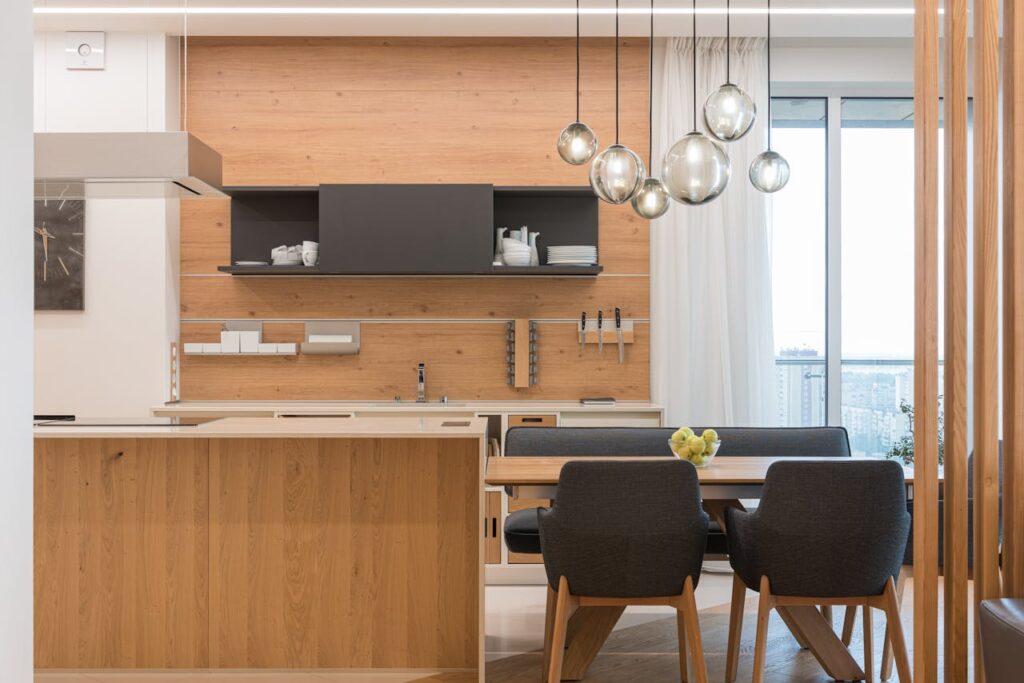
Choosing the perfect light involves the room size, style, function, and fixture type. Once you understand these aspects and integrate them effectively, you can create spaces that are beautiful and practical. Pay attention to the layering and placement of your lighting, and keep exploring options until you find pieces you love. Enjoy the process of transforming your home with innovative and stylish lighting. With the right lighting design tips, you’ll be able to transform your home into a space that looks great and works even better.