
This post may contain affiliate links. I only recommend products I use and love. Read the full disclosure here
Updated on: July 24, 2025
Originally published on: July 24, 2025
Want to know how to protect the ocean without making big lifestyle changes? These simple tips prove that even small, everyday choices can make a real difference.

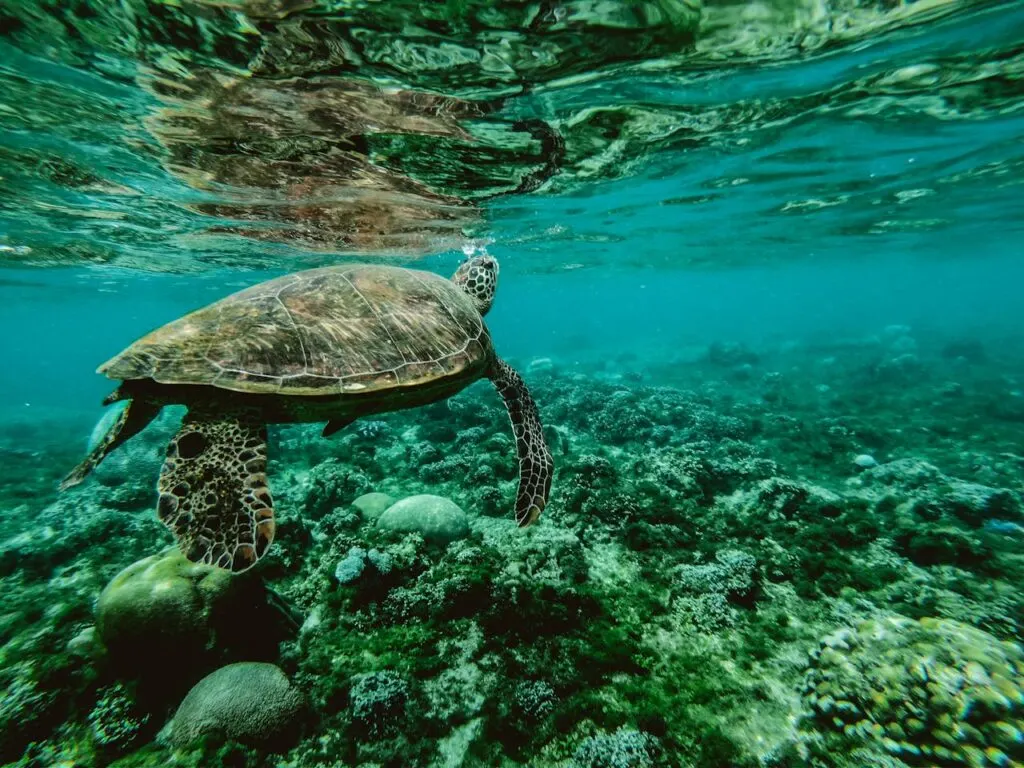
Protecting the ocean starts with the choices we make each day. Whether you live near the coast or thousands of miles away, your everyday habits still affect the health of marine life. From reducing plastic waste to choosing eco-friendly products, small steps really do add up.
Education and awareness are just as powerful as direct action. Advocates like Virginia Chipurnoi often remind us how informed communities can influence policy and drive lasting change. By staying involved and encouraging others to do the same, we can all play a part in protecting our oceans for generations to come.
Here are simple, realistic ways you can make a difference, starting today.
Reduce Single-Use Plastics
Single-use plastics are one of the leading causes of ocean pollution. Items like plastic straws, wrappers, bags, and bottles often end up in waterways and eventually the ocean, where they harm sea turtles, fish, and birds.
Opting for reusable alternatives is a small change with a big impact. Swapping plastic bags for cloth ones, using refillable water bottles, or skipping the straw altogether can keep hundreds of plastic items out of the ocean every year.
Choose Sustainable Seafood
Overfishing is a serious issue threatening marine biodiversity. Many fish populations are under intense pressure due to unsustainable practices that don’t allow time for recovery.
When you choose seafood certified by organizations like the Marine Stewardship Council (MSC), you support responsible harvesting methods. Making informed choices helps protect marine species and supports the long-term health of our oceans.
Conserve Water at Home
Wasting water doesn’t just affect your bill, it affects the ocean, too. Excessive water use leads to runoff that carries chemicals, fertilizers, and debris into rivers, lakes, and eventually the sea.
You can make a difference by fixing leaks, using low-flow fixtures, and cutting back on outdoor watering. Even turning off the faucet while brushing your teeth helps reduce runoff pollution.
Join Local Cleanups
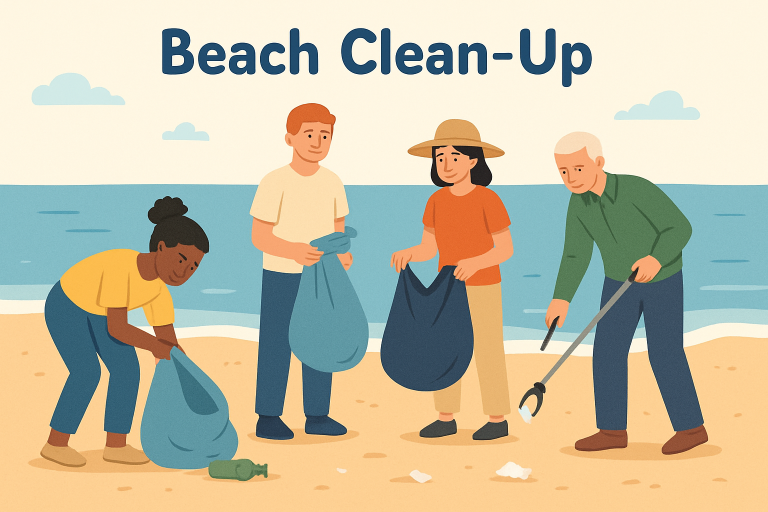
Every year, volunteers around the world remove thousands of pounds of trash from the environment before it reaches the ocean. From large-scale beach cleanups to small neighborhood efforts, these events help protect marine life from dangerous debris.
Participating in or organizing a cleanup near you, whether along a river, lake, or street, can prevent plastic and litter from entering the water system. Even a single hour of cleanup can make a meaningful difference.
Support Marine Protected Areas
Marine Protected Areas (MPAs) are zones designed to help fragile ecosystems recover and thrive. These areas often show higher biodiversity and healthier fish populations.
You can support MPAs by staying informed about legislation and contacting representatives to advocate for stronger ocean protections. Donations to groups that manage or defend MPAs can also go a long way.
Be a Responsible Pet Owner
Pet waste and products can have more impact than you might think. Waste left on the ground can wash into waterways and introduce harmful bacteria into marine ecosystems. Flushing cat litter can also be dangerous.
Always throw pet waste in the trash, and look for pet foods made with sustainably sourced fish when possible. A few mindful choices as a pet parent can help reduce pollution and protect marine life.
Switch to Eco-Friendly Cleaning Products
Common household cleaners often contain chemicals that harm aquatic ecosystems when rinsed down the drain. These pollutants travel through wastewater systems and eventually enter rivers and oceans.
Choosing plant-based or biodegradable products is a safer alternative. Brands like Method or Ecover make effective cleaners that are gentler on the planet. You can find detailed product safety info from the Environmental Working Group, a great resource for anyone looking to green up their cleaning routine.
Learn and Share What You Know
Knowledge is one of the most powerful tools for ocean protection. The more you learn about what’s harming our oceans, the more prepared you are to make better choices—and to inspire others to do the same.
Follow organizations like Oceana, which works globally to raise awareness and push for real policy change. You can also explore marine documentaries, check out recent research, or join online conservation communities. Every conversation you start helps build a more ocean-minded world.
Let’s Keep Our Oceans Thriving
Figuring out how to protect the ocean doesn’t have to be overwhelming. Simple, everyday changes—like skipping plastic, using eco-friendly products, or picking up litter—make a real impact when we all do them together.
You don’t need to live near the water to make waves. Every choice counts. Let’s work together to keep our oceans vibrant, healthy, and full of life, for us, and for the generations that follow.