Updated on: November 5, 2026
Originally published on: November 5, 2026
Choosing a pediatric dentist is about more than clean teeth and routine checkups. Early experiences can shape how children feel about oral care for years, so a calm, supportive environment matters. Between school, work, and after-school activities, finding a practice that fits your family’s schedule can make regular visits easier to manage—and a little less stressful for everyone.

Start With What Makes Pediatric Dentistry Different
A pediatric dentist is not simply a general dentist with a smaller waiting room and a box of toys. Pediatric dentists complete two additional years of residency training focused on caring for infants, children, teenagers, and children with special healthcare needs. That expertise can help them understand how teeth and jaws develop, recognize concerns early, and adapt appointments to a child’s age and comfort level.
Look for a professional who explains procedures in child-friendly language, offers guidance on habits such as thumb-sucking and pacifier use, and understands that children respond differently to unfamiliar settings. A nervous six-year-old may need reassurance and extra time, while an older child may feel more comfortable when the dentist explains each step and invites questions.
A suitable Lake Stevens pediatric dentist should offer more than treatment. The aim is to help children feel safe, help parents understand their options, and build healthy routines that can continue as children grow.
See the Office From Your Child’s Perspective
Adults may focus on appointment availability, insurance, and how efficiently the front desk operates. Children often notice the atmosphere first. Is the space welcoming without feeling overwhelming? Do team members speak kindly to young patients? Do they explain what will happen before beginning an examination?
If possible, visit the office before booking or look carefully at its online information. Notice whether the environment appears clean and organized, whether staff communicate patiently, and whether the team seems prepared to support children who feel anxious.
A strong practice balances warmth with professionalism. Your child does not need a theme park; they need a place where they can relax enough to listen, ask questions, and gradually build trust.
Choose Communication That Includes Both Parent and Child
Clinical skill matters, but so does the ability to explain what is happening. A good dentist treats parents as partners and speaks to children in a way they can understand. After an examination, you should know what the dentist observed, which concerns need attention, and what can be monitored over time.
During an initial visit, notice whether the team answers questions without rushing, explains treatment in plain language, discusses prevention, and respects your child’s fears or sensory sensitivities. You should feel comfortable asking why a procedure is recommended, what alternatives may exist, and how urgent the issue is.
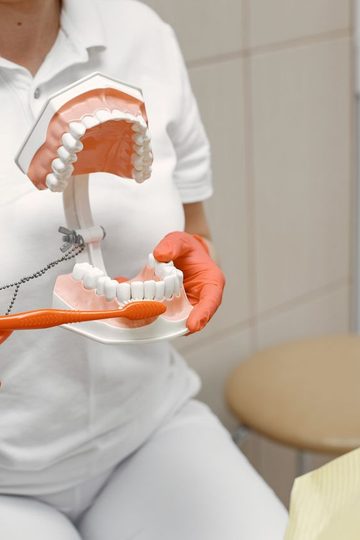
Practical advice is especially valuable. If your child struggles to brush around new molars, for example, a helpful dentist can demonstrate a technique and suggest a routine suited to your family.
Look for Prevention, Not Just Treatment
At home, consistency matters too. The American Dental Association’s guidance on caring for children’s teeth covers brushing, age-appropriate amounts of fluoride toothpaste, and when to schedule that first dental visit. Ask your dentist to demonstrate any techniques your child finds tricky.
Ask how the practice decides when X-rays are necessary and how it helps children remain comfortable during examinations.
At home, consistency matters too. A useful video on teaching children to brush their teeth can help parents turn a daily task into a more engaging routine.
Make Sure the Practical Details Work
Even an excellent dentist may be difficult to visit if appointments repeatedly clash with school, work, or family responsibilities. Convenience is not a shallow consideration; it can determine whether checkups happen consistently. Before choosing a practice, ask about appointment times, cancellation policies, parking, emergency arrangements, insurance, and payment expectations.
Consider how long the journey takes during the hours you are likely to travel, not just when traffic is light. Check whether the office can accommodate siblings or offer appointment times that reduce missed school and work.
Read Reviews for Repeated Signals
Online reviews can reveal useful patterns, but they rarely tell the whole story. One complaint about a delayed appointment may reflect an unusual day; repeated comments about rushed explanations or difficulty helping anxious children deserve closer attention. Look for recurring feedback about staff warmth, cleanliness, waiting times, treatment explanations, and billing clarity.
You can also ask parents you trust about their experiences. Specific observations—such as how the dentist handled a frightened child or explained a treatment plan—are often more useful than a star rating alone.
When comparing feedback, consider how the practice responds to concerns.

Think Beyond the First Appointment
The first visit is only the beginning of a relationship that may continue through baby teeth, permanent teeth, sports activities, and changing dental needs. A good long-term fit includes careful monitoring, age-appropriate guidance, and a team that adapts when a child develops new worries or becomes more independent.
Before deciding, ask how the practice tracks development and helps children understand their own oral health. You should leave with a clear sense of what happens next, when the next visit is recommended, and what you can do at home. For additional context, this guide to caring for children’s teeth explains everyday brushing principles parents can reinforce between appointments.
Ultimately, the right dentist combines professional expertise with patience, clear communication, reliable prevention, and practical scheduling. Choose a practice where your questions are welcome, recommendations make sense, and your child’s comfort is taken seriously. That reassurance can help children approach future visits with greater confidence. Those qualities can turn dental visits from a source of dread into an ordinary, manageable part of growing up.