Updated on: November 22, 2026
Originally published on: November 22, 2026
Regular checkups and modern preventive care help families catch minor dental issues early, protecting long-term oral health and avoiding costly emergencies.
Waiting until a sharp toothache strikes can turn a small dental issue into a stressful visit. Preventive dental care for families starts with regular checkups that give your dentist a chance to spot problems early. That can mean fewer surprises for your family and your budget.

Shifting to a proactive schedule protects your family's smiles before minor wear turns into major damage. Regular exams, simple daily habits, and modern comfort tools work together to keep every member of your household healthy and pain-free.
Why Is Proactive Dental Care Replacing Emergency Visits?
Dental problems rarely heal on their own, so waiting for pain usually means a minor issue has already grown severe. A tiny spot of surface decay that takes 20 minutes to treat during a routine visit can turn into an infected nerve requiring a root canal and crown 6 months later. Choosing preventive visits twice a year saves your family from missed school days, lost work hours, and invasive treatments.
Emergency rooms are poorly equipped to solve underlying tooth problems, often offering only temporary pain relief or antibiotics before sending you to a dentist anyway. Research from the CareQuest Institute shows that while fewer patients are visiting hospital emergency departments for routine dental pain than in 2019, total spending on those visits has climbed by $500 million. Scheduling regular dental exams keeps your family out of urgent care waiting rooms and puts your healthcare dollars toward lasting protection.
How Do Routine Exams Catch Small Problems Early?
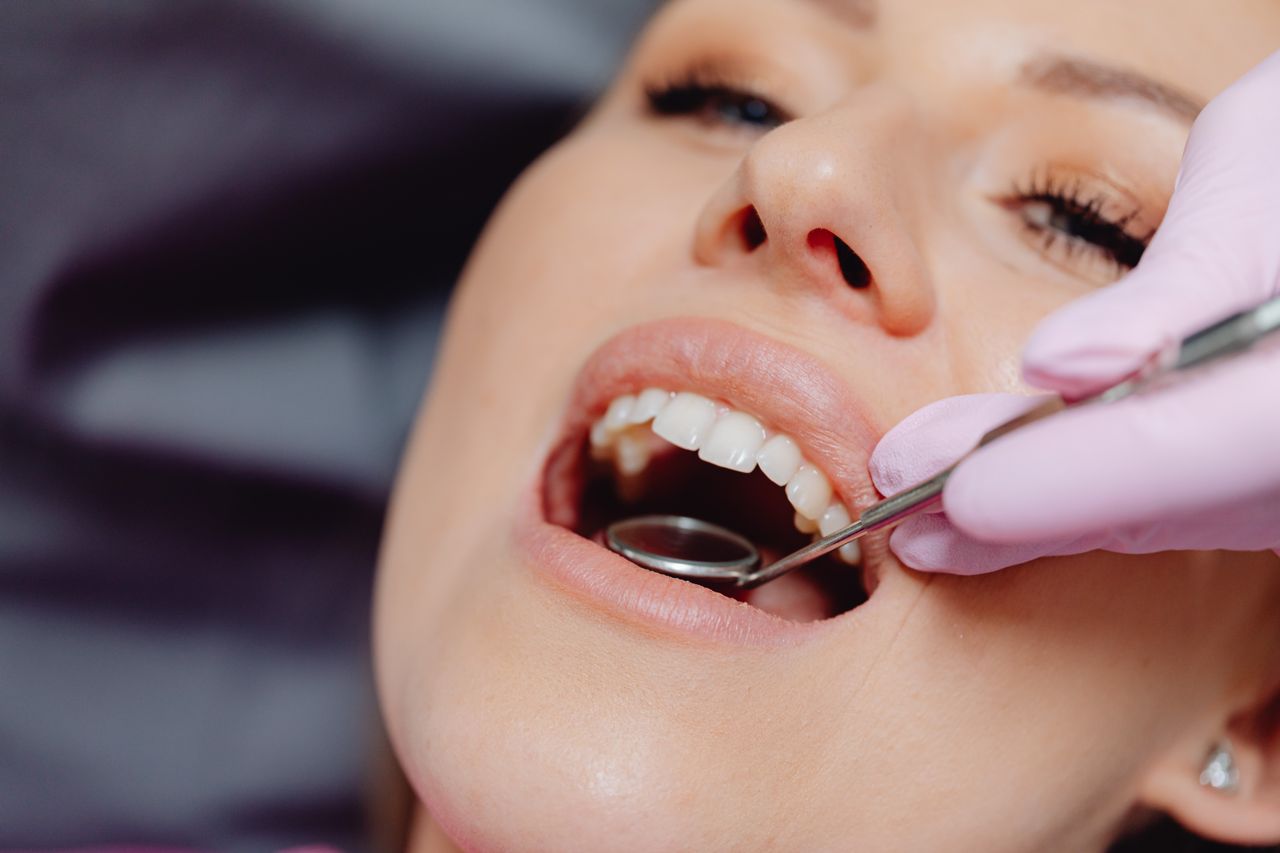
Many early oral health threats develop quietly without causing sensitivity or visible dark spots. During a routine checkup, your dental team removes hardened tartar that daily brushing leaves behind and inspects every tooth surface under bright magnification. Catching these warning signs early lets you fix them with conservative, affordable care.
Spotting Micro-Cracks in Tooth Enamel
Chewing ice, grinding teeth at night, or biting down on hard snacks can create tiny fractures in your tooth enamel. You might not feel these hairline cracks right away, because they stay above the sensitive inner layers of the tooth.
What Should You Look for in a Local Family Dentist?
Choosing a practice that handles every stage of oral health saves your household from juggling multiple referrals during a stressful moment. When you partner with a trusted mint hill dentist who offers routine cleanings, restorative treatments, and same-day emergency visits in one office, your family builds lasting familiarity with a team that already knows your dental history. That continuity makes it much easier for clinicians to spot subtle changes in your bite or gum health from year to year.
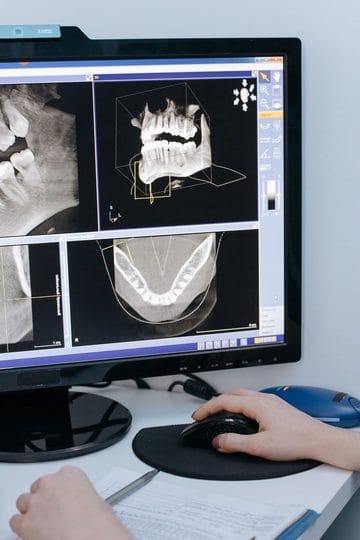
Transparent communication matters just as much as clinical skill when you are managing care for several people. Look for an office that explains digital X-rays on a chairside screen, outlines clear treatment priorities, and verifies your insurance coverage before starting any procedure.
How Can You Build Sustainable Hygiene Habits at Home?
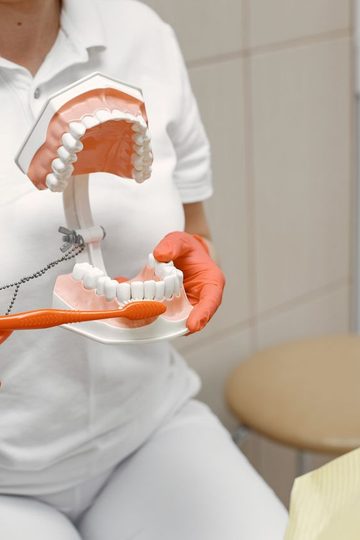
Professional cleanings work best when you back them up with consistent care at your bathroom sink every morning and night. Creating a predictable rhythm makes oral hygiene feel like an automatic part of the day rather than a nightly battle with your kids.
Tailoring Daily Care Across Every Age Group
Each member of your household faces different cavity risks depending on their age, diet, and dexterity. Adjusting your routine to match each stage keeps everyone's teeth strong.
Adults and Older Family Members
Busy adults often rush through brushing or skip flossing when they feel tired at night. Medications for allergies or blood pressure can reduce saliva flow, leaving teeth more vulnerable to decay along the gumline. Switching to an electric toothbrush with a built-in pressure sensor protects receding gums while removing plaque effortlessly.
- Brush for 2 minutes: Divide your mouth into 4 sections and spend 30 seconds gently cleaning every surface.
- Clean between teeth daily: Use traditional string floss, interdental brushes, or a water flosser to remove trapped food particles.
- Choose fluoridated tap water: Drinking tap water throughout the day rinses away food debris and strengthens tooth enamel naturally.
- Limit sticky sugary snacks: Serve sweets alongside main meals when higher saliva production helps neutralize acids faster.
Which Comfort Technologies Ease Dental Anxiety?
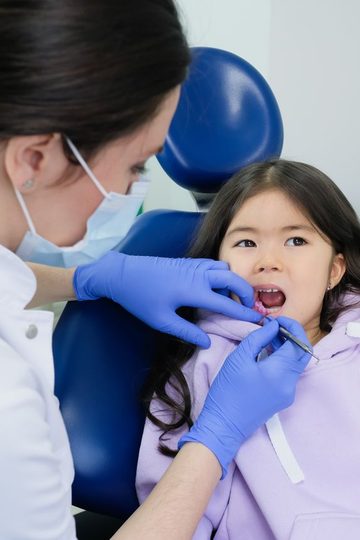
Fear of the dentist often stems from childhood memories of loud drills, gag-inducing impression trays, or unexpected discomfort. Modern dental offices invest heavily in patient-centered tools that make routine appointments quieter, faster, and far more comfortable for nervous kids and adults.
Digital intraoral scanners capture precise 3D images of your teeth in seconds using a small handheld wand, eliminating messy putty molds. Ultrasonic scalers use gentle water vibrations to lift away stubborn tartar without harsh scraping, while low-radiation digital X-rays deliver instant images with minimal chair time. Paired with topical numbing gels and calm, step-by-step explanations from your hygienist, these upgrades help anxious patients relax during every visit.
How Does Flexible Scheduling Keep Families on Track?
Even the best intentions fall apart when dental appointments clash with work deadlines, school pickup lines, and weekend sports tournaments. Practices that offer early morning, late afternoon, or Friday hours make it much easier to keep your 6-month checkups on the calendar.
Booking back-to-back family block appointments lets 2 or 3 family members get their cleanings done during a single trip to the office. Automated text reminders and online scheduling portals allow you to confirm visits or adjust times in seconds without playing phone tag during a busy workday.
What Steps Prepare Your Family for a Smooth Checkup?
A little preparation before appointment day helps children stay calm and gives your dental team the information they need to personalize your care.
Book next visits early: Schedule your next 6-month checkup before leaving the front desk to lock in your preferred time.
Consistent preventive care pairs naturally with an accessible local dental team to keep your family's smiles healthy at every stage of life. When you prioritize regular checkups, reinforce simple brushing habits at home, and address small concerns early, you protect your loved ones and your budget. Start by scheduling your household's next routine exam so everyone can enjoy strong, comfortable teeth for years to come.
Keep conversations positive: Describe the visit as a friendly tooth-counting and polishing session rather than using scary words.
Update medication lists: Bring a current list of prescriptions, vitamins, and allergies so your dentist can spot dry-mouth triggers.
Note minor sensitivities: Jot down any brief twinges with cold drinks or jaw soreness so you remember to mention them.
More Health
- How Digital Imaging Helps Dentists Plan Permanent Tooth Replacement
- Why subtle gum inflammation can quietly escalate into systemic dental health risks
- Little Smiles, Lasting Confidence: Choosing a Dentist Your Child Can Trust
- Why Delayed Dental Care Often Turns Minor Tooth Sensitivity Into An Urgent Crisis