
This post may contain affiliate links. I only recommend products I use and love. Read the full disclosure here
Updated on: September 2, 2026
Originally published on: September 2, 2026
Knowing how to order steak confidently begins with a few informed decisions. The cut affects tenderness, fat content, and flavor. Cooking temperature changes the center’s texture and moisture. Portion size also matters, especially when starters, sides, or dessert are part of the meal.
Guests who consider these details beforehand can communicate preferences clearly, ask useful questions, and enjoy the finished dish without second-guessing each selection.
Choose A Steakhouse With Care
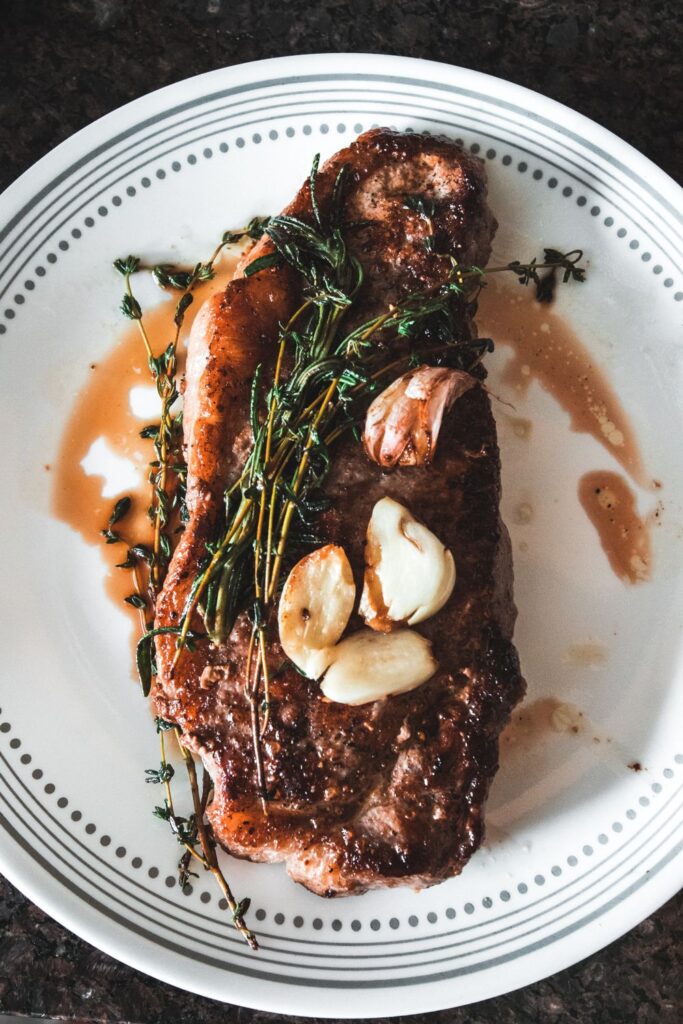
A well-run dining room can influence the entire meal, from timing to final presentation. Guests seeking a polished setting may consider a steakhouse Winter Park residents and tourists love alike, especially when the occasion calls for attentive service and carefully prepared beef.
Before booking, diners should review the menu, reservation policy, location, dress guidance, and available accompaniments. Those details help match expectations with the restaurant’s style.
Start With The Cut
The cut of meat determines much of a steak’s texture and richness. Filet mignon contains little intramuscular fat, producing a tender, delicate bite. Ribeye carries abundant marbling, which contributes juiciness and pronounced beef flavor. The New York strip offers firmer resistance with a concentrated taste. Sirloin suits diners who prefer a leaner portion. Appetite, texture preference, and desired richness should guide the decision.
Pick The Right Doneness
Doneness reflects internal temperature, color, and firmness. Rare remains cool and red through the center. Medium rare provides a warm red core with substantial moisture. Medium creates a firmer bite and less visible redness. Medium well shows limited pinkness, while well done contains minimal remaining juice. Guests should state the preferred level plainly, since unclear wording can produce an unwanted result.
Keep in mind, For food safety, the USDA recommends using a food thermometer to verify that steak has reached a safe internal temperature.
Know The Restaurant’s Terms
Steak names can vary slightly between menus, so a short question may prevent confusion. Porterhouse generally includes a larger tenderloin section alongside strip steak, separated by a central bone. T-bone follows the same basic structure, usually with a smaller tenderloin portion. Bone-in cuts may offer deeper roasted flavor, while boneless pieces are easier to portion and slice.
Consider Portion Size
A larger steak is not automatically the better selection. Guests planning to order several courses may feel more satisfied with a moderate serving. Diners with stronger appetites, or those comfortable taking leftovers home, might prefer a heavier cut. Thickness affects cooking time as much as weight. Choosing an amount that fits the full meal usually creates a more balanced experience.
Ask About Preparation
Cooking technique shapes the crust, aroma, and surface texture. Grilling can provide charred edges and a lightly smoky profile. Broiling applies intense overhead heat, often producing pronounced browning. Pan searing encourages a dark crust before the kitchen finishes the meat. Asking about the preferred method clarifies what will reach the table, especially for guests sensitive to smoke or heavy charring.
Choose Seasoning Wisely
Salt and pepper may be sufficient for richly marbled beef because they preserve its natural flavor. Herb butter adds dairy richness and aromatic notes. Peppercorn sauce brings heat, while a wine reduction contributes acidity and depth. Diners should decide whether the finishing element will support the meat or cover it. Sauce served separately allows greater control over each bite.
Pair Sides With Balance
Side dishes should provide contrast in texture, temperature, or freshness. Creamed spinach adds softness and vegetal flavor. Roasted asparagus contributes a firmer bite with mild bitterness. Crisp potatoes bring salt and starch, while grilled vegetables offer lighter support. A fatty steak often benefits from a bright or green accompaniment. Leaner cuts can handle richer preparations without making the plate feel heavy.
Match The Drink
A beverage should complement the steak’s intensity rather than dominate the palate. Full-bodied red wine often suits heavily marbled cuts with concentrated flavor. Lighter reds can work with leaner portions and restrained seasoning. Sparkling water refreshes the mouth between bites. Cocktails containing citrus may add brightness, although excessive sweetness can compete with savory sauces and roasted crust.
Use The Resting Time
Resting gives heat and moisture time to redistribute through the meat. Slicing too soon can release flavorful juices onto the plate instead of keeping them inside each portion. A brief pause also allows guests to arrange sides, taste the beverage, and settle into the meal. This small interval requires no special equipment, yet it can improve tenderness and mouthfeel.
Practice Calm Confidence
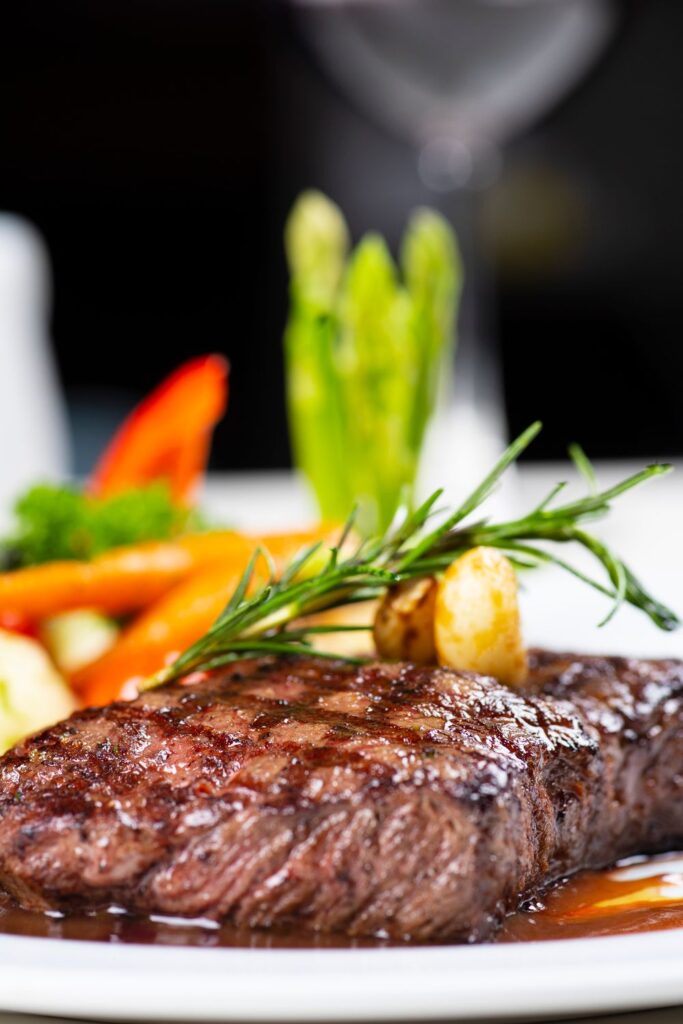
Experienced diners rarely rely on complicated terminology. They identify a preferred cut, name the desired doneness, select suitable accompaniments, and ask direct questions. Guests can request clarification without hesitation, particularly when menu language differs from familiar terms. Clear communication supports accurate preparation and helps service staff respond to individual dietary needs, texture preferences, or portion concerns.
Conclusion
Ordering steak like a regular requires practical knowledge rather than elaborate dining rituals. Guests should choose a cut according to fat content, tenderness, appetite, and preferred texture. A precise doneness request reduces disappointment, while balanced sides keep the plate enjoyable from start to finish. Resting the meat, tasting it before adding sauce, and asking concise questions can make a steak dinner feel composed, satisfying, and fully informed.