
This post may contain affiliate links. I only recommend products I use and love. Read the full disclosure here
Updated on: October 1, 2026
Originally published on: October 1, 2026
Sitting in a dental chair and hearing that you need a referral can feel surprising. Most families count on a primary family dentist for cleanings, fillings, and routine checkups. Understanding why dentists refer patients to specialists can help ease concerns when complex dental needs pop up. Turning to an expert with targeted clinical training is standard practice. A referral shows that your dentist puts your personal health first.
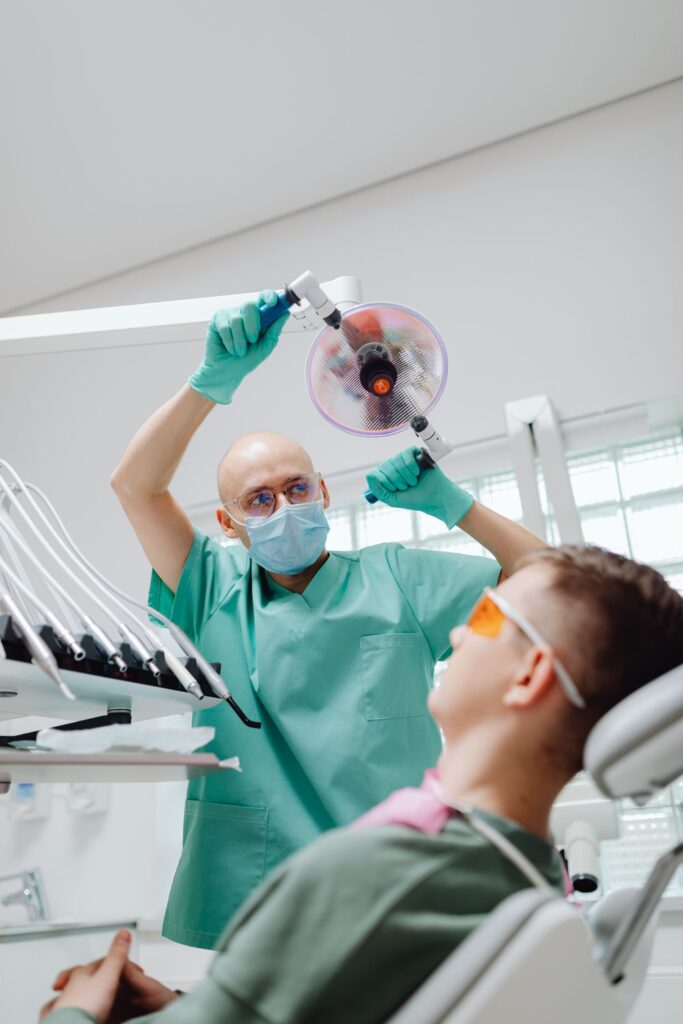
The Role of General Dentists in Family Health
General dentists serve as the main point of contact for daily oral healthcare. They perform routine exams, manage preventive cleanings, fill cavities, and monitor health across the mouth. Family members of all ages visit these primary clinicians for basic oral maintenance and preventive guidance.
Primary care dentists possess broad knowledge across many areas of dentistry. Their main goal involves keeping teeth clean, diagnosing early signs of decay, and guiding long-term habits. When a situation demands advanced tools or specialized techniques, referring patients to focused experts becomes necessary.
Having a dependable primary dentist gives families a trusted partner for regular checkups. Regular visits allow your primary dentist to track changes in gums, teeth, and jaw alignment. Catching minor issues early keeps simple treatments from turning into complex surgical procedures later.
Continuous Learning and Professional Study Groups
Family dentists spend considerable time expanding their knowledge to deliver modern care. Local practitioners who search for dental study clubs near me join collaborative groups to exchange insights with experienced clinicians. These professional circles allow doctors to discuss complex cases and share knowledge across different disciplines. Working together helps local teams stay informed on updated treatment protocols.
Peer collaboration helps primary doctors recognize subtle signs that require expert attention. Interacting with local clinical networks creates smooth pathways for patient referrals. Patients benefit directly when their family dentist maintains strong links with local specialists.
Continuing clinical education gives primary practitioners fresh perspectives on modern dental materials. Group discussions encourage providers to review complex patient charts with colleagues. Active participation in clinical groups strengthens the entire community of care providers.
Understanding Specialized Dental Education
Specialised dental care requires continuing education beyond regular dental school requirements. Data from AD Dentistry indicates a dental specialist completes 2 to 4 years of residency training beyond dental school in one focused area. That concentrated schooling equips clinicians with deep experience for intricate treatments.
When complex oral conditions demand a narrow, deep level of focus, targeted experts bring several years of additional training in specific areas of the mouth. Patients receive precise interventions tailored to distinct structural conditions.
Several distinct specialties exist to handle specific oral health conditions:
- Endodontists, who focus on deep root canal issues and inner tooth preservation
- Periodontists, who treat complex gum tissue infections and bone loss around teeth
- Oral surgeons, who perform extractions, bone grafts, and structural jaw procedures
- Orthodontists, who align crooked teeth and fix bite misalignments
Complex Surgical Procedures and Advanced Needs
Surgical needs often prompt a primary dentist to seek specialized assistance. Wisdom teeth extractions, severe jaw alignments, and extensive dental implants require specific surgical equipment. Specialized surgical suites contain imaging tools designed to map out bone structures safely.
Managing complex bone density loss or nerve proximity requires extra surgical experience. Primary care providers know when a surgical expert can achieve superior comfort during recovery. Sending patients to a dedicated surgical center lowers risk factors significantly.
Certain surgical situations frequently require dedicated expert care:
- Impacted wisdom teeth growing against neighboring tooth roots
- Severe bone loss needing advanced grafting before implant placement
- Biopsies for unusual soft tissue lesions inside the oral cavity
- Complex facial trauma requiring joint or jaw reconstruction
Root Canal Treatments and Tooth Preservation
Teeth with severe internal decay or nerve damage require specialized root canal therapy. Endodontists use high-powered microscopes to navigate hidden canal pathways inside root structures. Their entire practice centers on saving natural teeth from extraction.
Standard dentists perform straightforward root canals, but complex root anatomies demand endodontic care. Calcified roots, curved canals, or previous failed treatments need advanced tools. Preserving natural teeth remains the top priority for long-term chewing function.
Specialized endodontic equipment allows clinicians to clean inner spaces with extreme accuracy. Disinfecting hard-to-reach chambers prevents recurring infections under old fillings. Protecting natural root structures helps maintain original jawbone strength.
Gum Disease Care and Long-Term Stability
Periodontal health forms the foundation for a healthy, lasting smile. Mild gingivitis responds well to standard dental cleanings and daily home flossing routines. Severe periodontitis requires advanced intervention from a trained periodontist.
Deep infections around tooth roots can destroy bone tissue and loosen stable teeth. Periodontists apply targeted therapies, including scaling, root planing, and laser tissue treatments. They help rebuild lost attachment structures around compromised roots.
Maintaining firm foundation tissues prevents premature tooth loss in adult patients. Patients with chronic health conditions need close periodontal monitoring. Dedicated gum specialists keep severe inflammatory responses under control effectively.
Aligning Teeth and Correcting Bite Issues
Proper bite alignment protects enamel from uneven wear and excessive pressure. Orthodontists design customized plans using traditional braces, clear aligners, or expanders. Their work improves both visual aesthetics and functional jaw movement.
Crooked teeth make home cleaning difficult, leading to hidden plaque buildup. Correcting crowded arches allows toothbrush bristles to reach every surface easily. Orthodontic alignment promotes cleaner surfaces and healthier gum lines.
Early evaluation during childhood helps catch emerging jaw discrepancies before growth finishes. Adults benefit from orthodontic interventions to alleviate jaw joint strain. Balanced bite patterns reduce headaches and protect natural enamel.
Collaborative Care for Complete Patient Wellness
Patient care improves when primary providers and specialists work in unison. Findings from La Verne Dental Implant highlight that general dentists frequently collaborate with other dental professionals to improve patient outcomes and preserve long-term wellness. Shared records and joint treatment plans give patients seamless care.
Clear communication between offices prevents duplicate testing and saves valuable time. Your primary clinician remains the hub of your dental team throughout treatment. They oversee your progress and continue routine maintenance after specialized procedures end.
Having a connected team gives families confidence during every stage of treatment. Knowing your family doctor consults with trusted experts provides real peace of mind. Every practitioner works toward maintaining your healthy, functional smile.
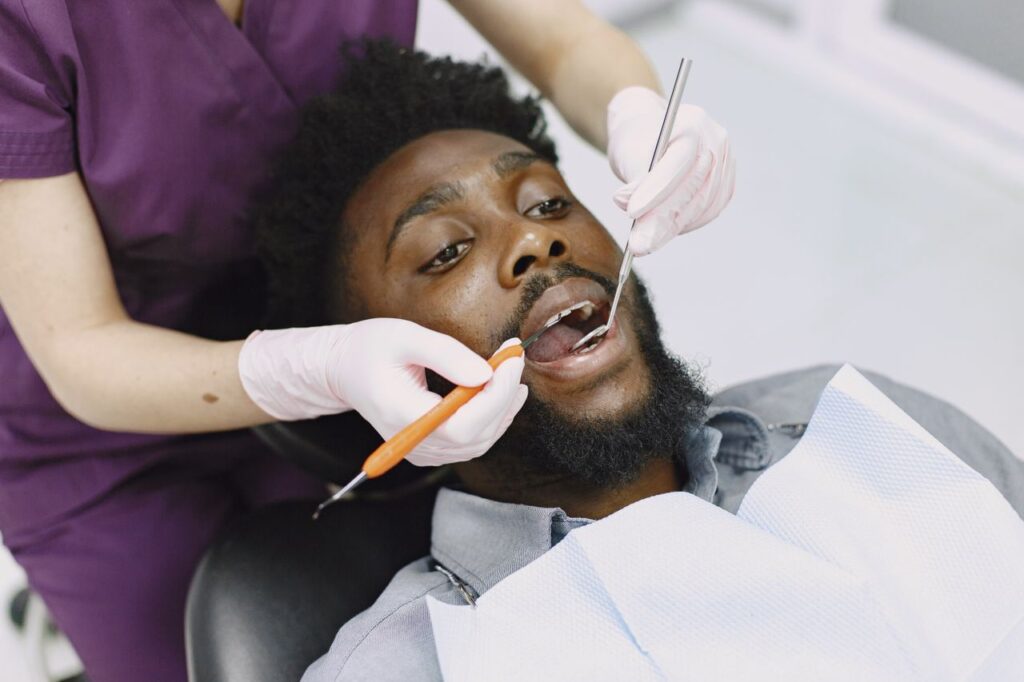
Taking care of your smile requires a team effort between you and your healthcare providers. Receiving a referral means your primary practitioner cares about achieving top results for your oral health. Following through on specialist appointments protects your smile for years down the road.