
This post may contain affiliate links. I only recommend products I use and love. Read the full disclosure here
Updated on: April 22, 2026
Originally published on: April 22, 2026
Juggling quick neighborhood errands like grocery runs, pharmacy stops, school pickups, or coffee trips often feels like an exhausting marathon. If you’ve ever wondered how to run errands efficiently without wasting half your day, you’re definitely not alone.
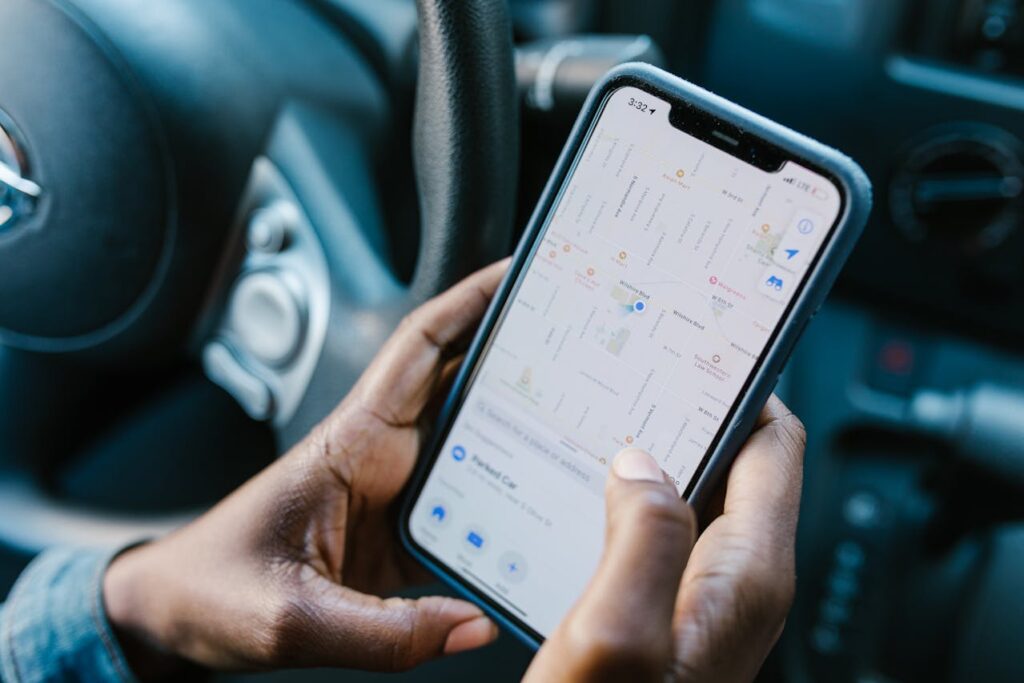
To finish errands faster, you need to map out logical geographic loops, choose nimble short-distance transportation, pack a pre-loaded essentials kit, and build a consistent safety routine.
These small routine changes can save time, reduce stress, and quietly transform your chaotic weekly schedule into a highly efficient, manageable system.
1. Map Your Stops Before You Leave the Driveway
Most people organize their errands by urgency, tackling the pressing pharmacy first before heading to the grocery store across town. This creates a predictable backtracking trap that costs more time than almost anything else on your daily to-do list.
The fix is simple geographic batching to completely avoid zig-zagging across your neighborhood. Instead of prioritizing what feels most important, organize your list strictly by location. Group every stop into a connected loop, starting from your home and ending right back at your driveway.
Pull up a maps application before you head out and drop pins at every required destination. You might even consider pairing this routed efficiency with smarter short-distance transportation to easily breeze through dense local areas.
Using a standard bicycle, an electric NTX Power Sports’ moped cuts through neighborhood traffic much faster than a standard car.
By optimizing both your route and your ride, you are not doing more work, but simply completing tasks smarter.
A few practical ways to make this routing easier include:
- Schedule your neighborhood errands during off-peak hours when possible to avoid congestion.
- Pair errands with trips you are already making, like adding the pharmacy to your school drop-off run.
- Run one clean loop instead of three separate trips to save far more time during the actual execution.
Pro Tip: Try to plan your errand loop with as many right-hand turns as possible. This minimizes time spent waiting at busy intersections for left-turn signals and keeps your momentum steady throughout your entire route.
2. Match Your Vehicle to the Trip, Not Your Habit
Many individuals default to taking a heavy car for every single errand, regardless of distance, traffic, or the current parking situation.
Driving often means circling the block, settling for distant parking, and sitting in unexpected traffic backups for a task that only takes a few minutes.
Matching your transportation choice to the actual demands of the trip is an effortless and highly effective upgrade.
For adults running frequent short trips, adopting budget-friendly commuting options easily replaces the frustration of standard driving.
Smaller vehicles park closer, navigate tight spaces faster, and significantly reduce stress in dense commercial neighborhood areas.
Swapping the family SUV for a lighter alternative ensures that everyday local trips no longer feel burdensome.
3. Pack Smart, So You Are Never Unprepared Mid-Errand
Mid-errand scrambles are one of the biggest silent time thieves in any weekly family routine. Realizing the grocery list is on the kitchen counter or forgetting the insulated cooler bag consistently adds delays to trips that should be incredibly quick.
The solution is a simple, pre-loaded errand kit that lives directly in your vehicle or bag.
You do not have to assemble this kit each time; you just grab it and go out the door. Keeping essentials safely organized in a backpack, crossbody bag, or rear cargo basket requires very little daily effort.
A small amount of nighttime preparation ensures morning tasks move smoothly without interruptions.
A practical errand kit looks like this:
- A couple of reusable tote bags, folded flat and tucked away neatly.
- A small insulated bag for perishables, allowing you to grab cold items quickly.
- A running digital or paper list so you are never guessing what items are needed.
- Relevant paperwork or loyalty cards should be loaded into your wallet the night before.
4. Build a Simple Safety Routine That Becomes Second Nature
Faster errands should never mean careless ones, especially when navigating busy streets. Good safety habits are intrinsically linked to efficiency, as moving with preparation prevents avoidable problems that consume valuable time.
A simple pre-errand safety routine takes about sixty seconds and quietly makes everything go smoother.
Making helmet use a completely non-negotiable habit is crucial if you are using a bike or scooter for family routine trips. Research shows that proper headgear can provide a reduction in the risk of severe brain injury by up to 88 percent. Furthermore, consistent helmet wear is proven to reduce the risk of facial and fatal injuries across all age groups.
Protecting younger passengers is equally important when planning your daily neighborhood transit. Universal helmet adoption among children could prevent head injuries by the tens of thousands annually.
Preparation is not the opposite of speed; it is the fundamental framework that makes safe speed possible.
Daily safety habits worth building in include:
- Doing a quick weather check before heading out to prevent a miserable detour.
- Avoiding phone distractions while moving, which slows reaction times and causes wrong turns.
- Letting someone at home know your general route if you are riding solo.
The Bottom Line
Neighborhood errands remain a constant necessity, but losing half a morning to backtracking, parking stress, and mid-trip scrambles is entirely optional.
Route planning, smarter vehicle choices, a pre-loaded errand kit, and a quick daily safety habit represent small shifts that stack quietly over time. Stress-free errands are simply a matter of adopting better, more efficient routines.
A month of running tighter errand loops, carrying essential items, and choosing the right ride for the trip adds up to real hours saved in your week.
Pick just one of these practical tips and apply it to your upcoming neighborhood tasks. You will quickly discover that managing household chores does not have to be a stressful major production.