Updated on: November 6, 2026
Originally published on: November 6, 2026
There’s nothing quite like spending a sunny afternoon in your own backyard—until the heat sends everyone running inside. Add in glaring sunlight, fading patio cushions, and worries about storm damage, and it’s easy to see why exterior home protection and shade deserve a little planning.
The right setup can make your outdoor space more comfortable while helping protect the belongings and features you’ve invested in. Depending on the design and placement, it may also reduce the sunlight heating up your home. And you don’t have to give up a backyard you love looking at to make it more practical.
From retractable awnings and sturdy pergolas to shade sails and exterior screens, there are several ways to make your home work better in changing weather. Other exterior improvements, including custom garage door installations, can also play a part in a broader protection plan when the products are selected for your local conditions.
Before choosing anything, think about where the afternoon sun hits hardest, which spaces your family uses most, and what kind of weather your home needs to handle. Those everyday details will help you narrow down the options.
1. Retractable Awnings and Drop-Arm Canopies
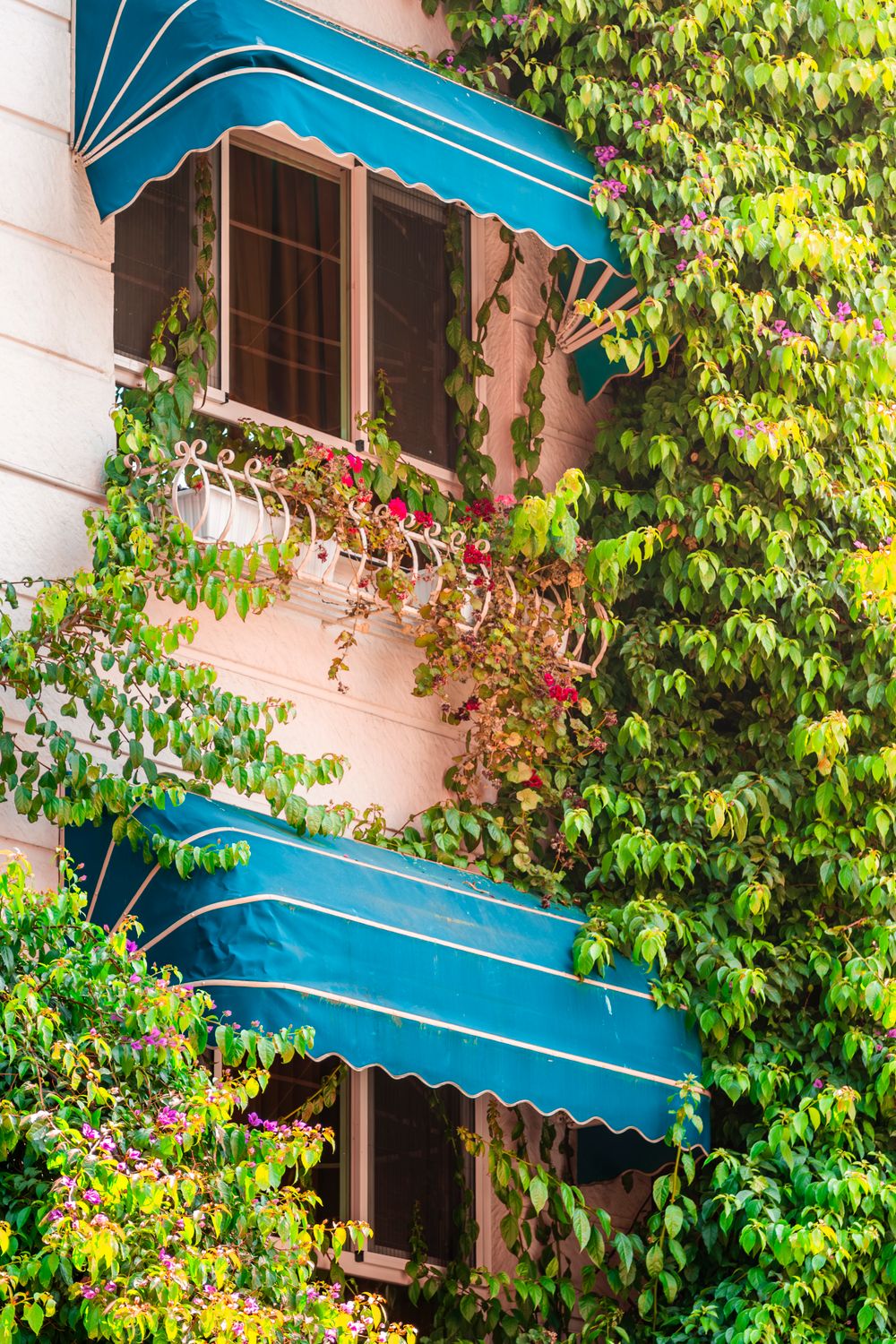
Want shade for lunch on the patio but sunshine later in the afternoon? Retractable awnings give you that flexibility. They typically have a fabric cover supported by a frame that extends from an exterior wall or another suitable mounting point.
Many use durable acrylic fabric, with supporting arms that keep the covering stretched out over the space below. Drop-arm canopies work a little differently: their arms angle downward, helping shade windows and areas where sunlight comes in at a lower angle.
One of the nicest things about these systems is being able to use them when you need them and tuck them away when you don’t. They can shade patios, decks, and windows during hot weather, then retract when you want more daylight or seasonal warmth.
Manual models usually operate with a crank, while motorized options open and close with a button. Some can connect to compatible smart home controls, too. That can be especially handy when you’re getting an outdoor meal ready or keeping an eye on the kids.
Installation matters just as much as convenience. The brackets need to attach to appropriate structural supports. Most retractable awnings are intended primarily for shade, so follow the manufacturer’s instructions about rain and wind. Retracting them before rough weather can help prevent costly damage.
2. Heavy-Duty Pergolas and Covered Patio Systems
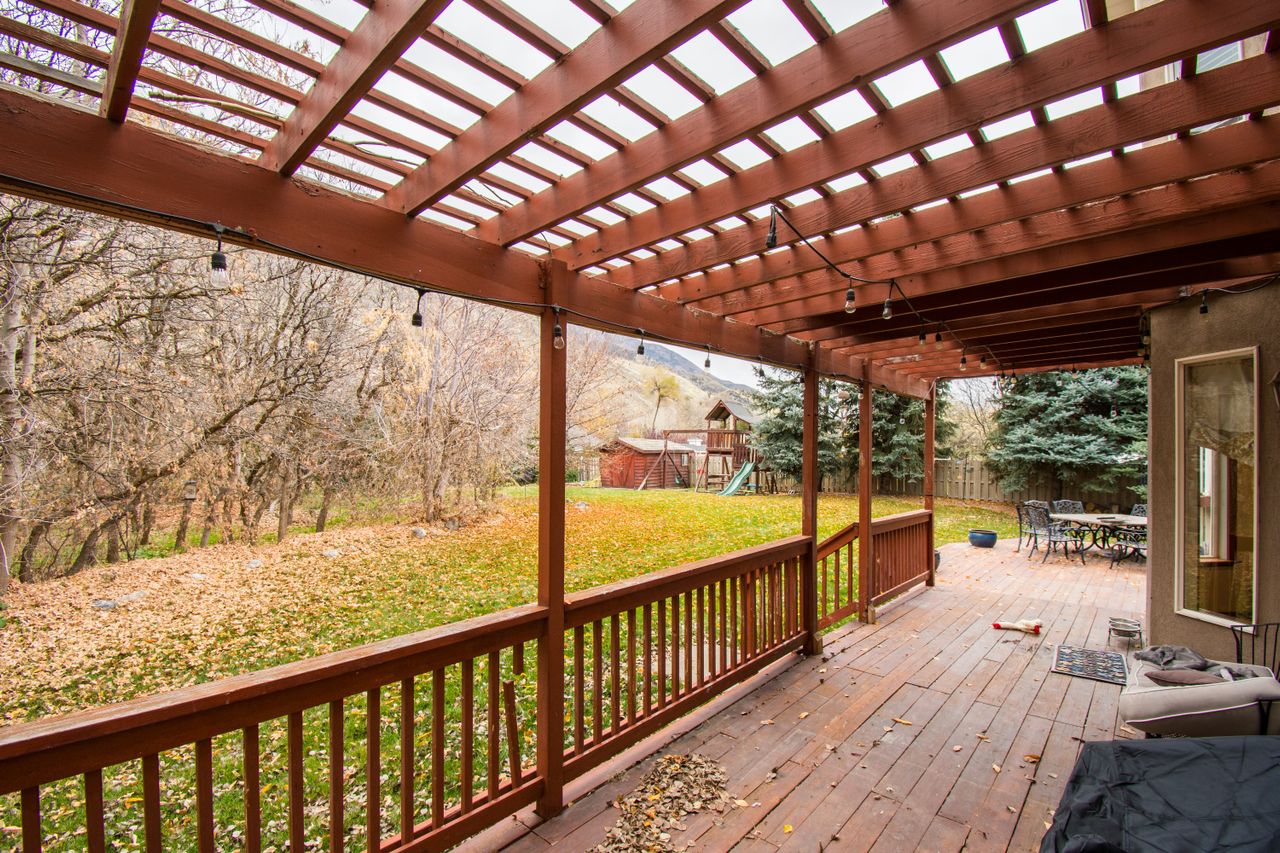
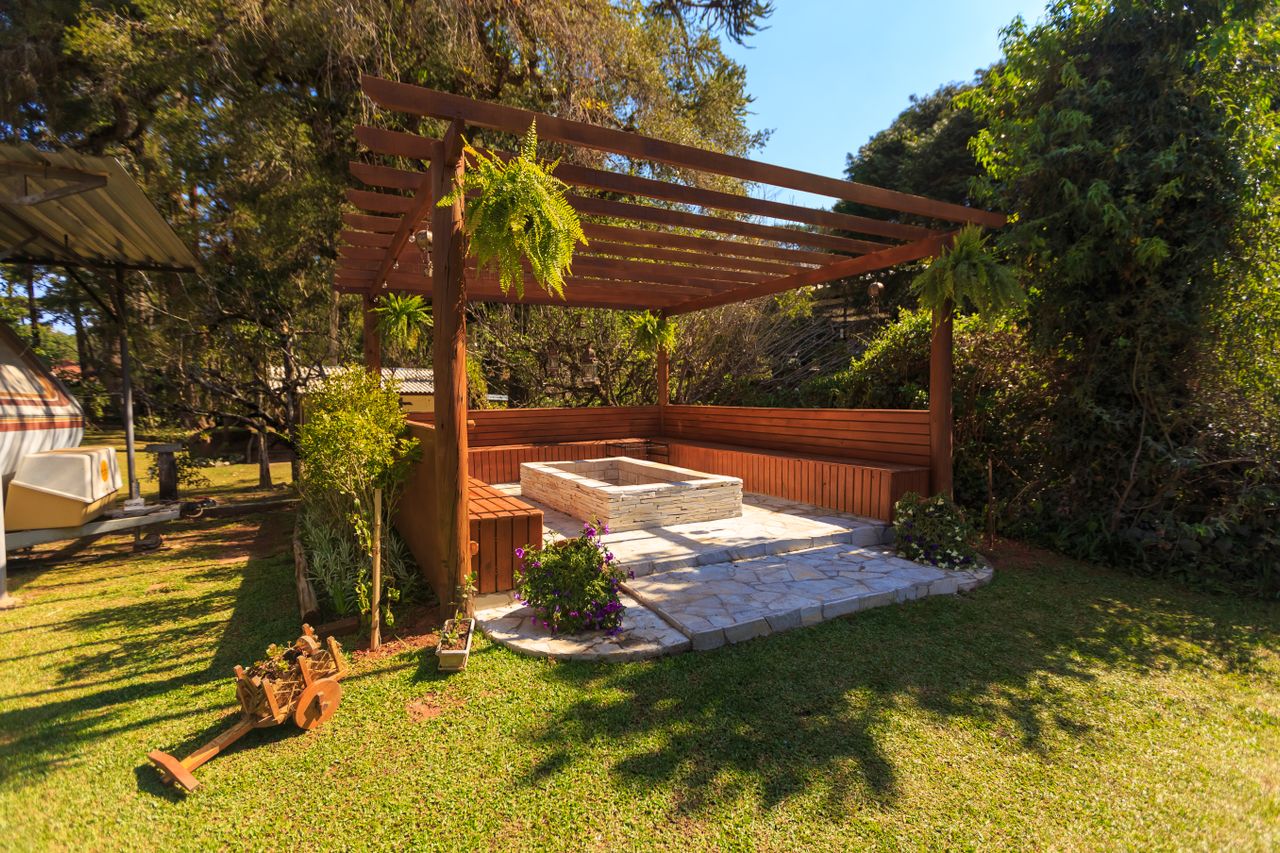
If you’d rather have a permanent place to gather outdoors, a pergola or covered patio may be a better fit. These structures can be attached to the house or stand on their own, giving you a dedicated spot for dining, relaxing, or spending time with family.
Pergolas often have open sides and a slatted roof, although some include adjustable louvers or additional coverings. Covered patios generally offer more complete overhead shelter. The amount of sun and rain protection depends on the roof design and materials you choose.
Aluminum is a common framing option because it combines relatively low weight with corrosion resistance and manageable upkeep. For the roof, choices may include open slats, adjustable panels, or multi-wall polycarbonate that allows some daylight through while providing overhead coverage.
Think about how you’ll use the space before deciding on the roof. Partial shade might be perfect for a garden sitting area, while a dining table may benefit from more coverage. Adjustable louvers or angled roof components can help manage sunlight as it changes throughout the day.
A properly designed structure can make your outdoor area feel like an extension of your home. Just be sure the system is suitable for local wind, rain, and snow conditions. A permanent roof does not automatically mean a space is protected from every kind of weather.
3. Tensioned Shade Sails and Modular Canopies
Shade sails are a lovely option when you want coverage without the look of a full roof. Their stretched fabric panels can fit over patios, seating areas, and other outdoor spaces, adding shade with a lighter, more open feel.
Many are made from high-density polyethylene, or HDPE. This mesh-style material allows air to move through while reducing direct sunlight. The amount of UV protection varies, so check the specifications for the fabric you’re considering.
The fabric stretches between carefully positioned anchor points, with tensioning hardware keeping it in place. The shape and placement matter: a sail needs more planning than simply tying fabric between whatever supports happen to be nearby.
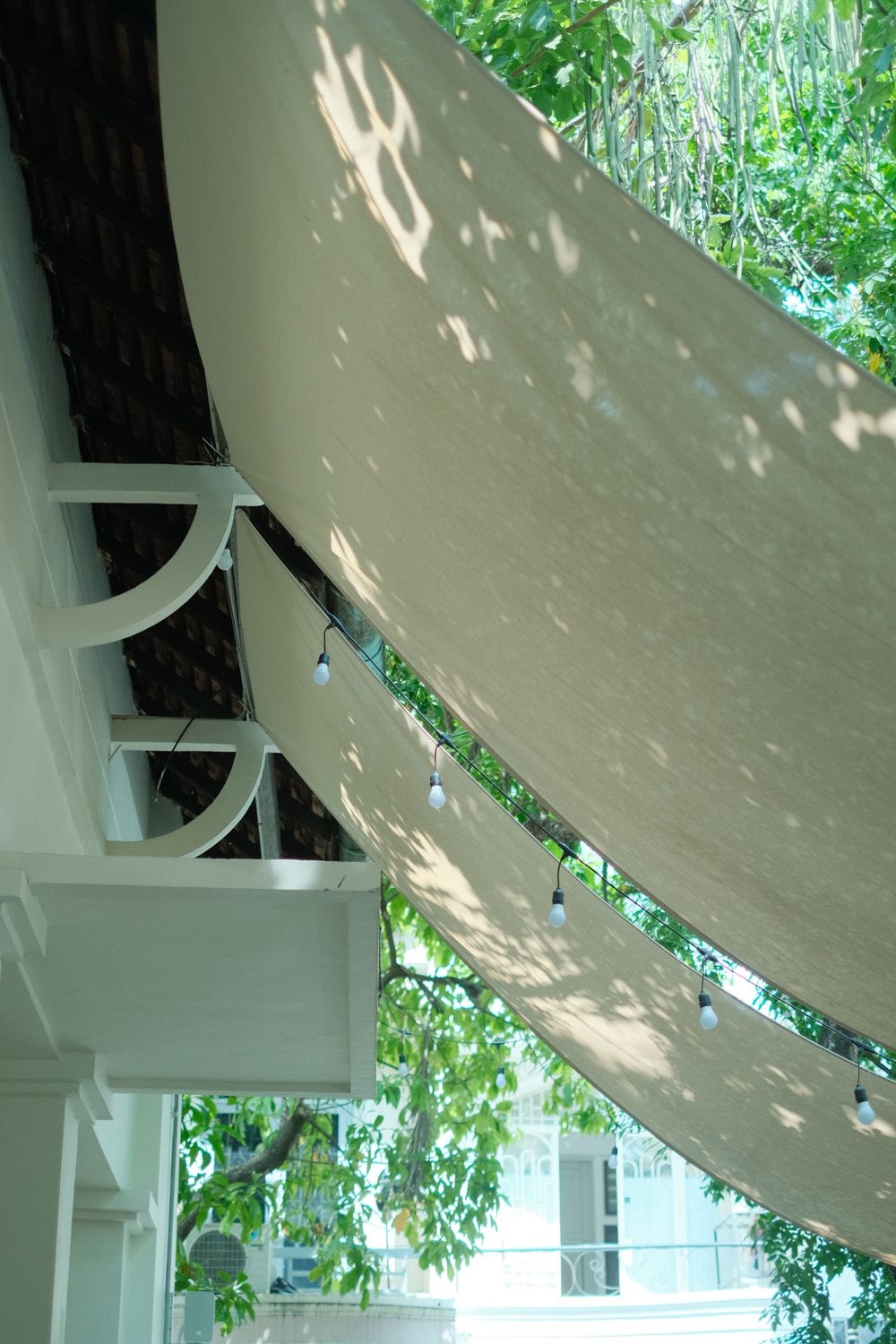
Modular canopies offer a similar degree of flexibility, usually with a frame supporting one or more panels. Depending on the design, you may be able to expand or rearrange the coverage as your needs change.
Both options can work well for awkwardly shaped spaces or areas where a permanent patio cover would feel too heavy. They may also cost less than a larger built structure, although installation and anchoring can affect the final price.
Check the care and weather instructions before buying. Some fabrics allow rain through, and some systems need to come down before strong winds or heavy snow. Proper anchoring is essential, even for a shade solution that looks simple.
4. Exterior Zipper Screens Designed for Wind Exposure
Sometimes overhead shade isn’t enough. If the afternoon sun comes in from the side, or a breeze keeps interrupting dinner, exterior zipper screens may help make the space more comfortable.
These vertical screens lower into place and retract when they’re no longer needed. Their edges are held inside side tracks, often using a zipper-style system that helps keep the fabric from pulling loose or flapping around.
Depending on the mesh and installation, they can reduce glare, filter sunlight, and help keep insects out. They can also give a porch or patio a more sheltered feeling while preserving some of the view.
Wind performance varies by product, screen size, mounting, and installation. Look at the tested rating and operating instructions for the exact system rather than assuming every zipper screen offers the same protection. A shade screen’s wind rating also does not automatically make it a hurricane-rated debris barrier.
For homeowners comparing custom shade and hurricane protection, it helps to explain which problems need solving. Everyday glare, blowing rain, insects, and hurricane protection may call for different products or a combination of systems.
5. Structural Reinforcements and Entryway Barriers
Shade is only one part of caring for your home’s exterior. Porch roofs, entry canopies, overhangs, and properly selected doors can all contribute to a more protected home.
An overhead canopy gives you somewhere to stand out of the rain while finding your keys or bringing in groceries. A well-designed porch roof or overhang can also help direct some rain and sunlight away from doors and windows.
In storm-prone areas, windows, exterior doors, and garage doors deserve attention, too. Their suitability depends on the product’s tested performance, the opening, the installation, and local requirements. Look for the appropriate wind and impact ratings where those are needed.
A garage door is a large part of a home’s exterior, so it belongs in the conversation. Ask about the door, tracks, hardware, and attachment requirements as a complete system. A heavier door alone isn’t a substitute for a properly rated and installed one.
Together, these details can help you build a protection plan that considers the whole exterior rather than focusing only on the patio.
Comparing Fixed and Adjustable Shade
Once you know the main options, the next question is whether you want shade that stays put or a system you can adjust. Both have their advantages, and many homes benefit from a combination.
Fixed shade includes roof overhangs, permanent patio covers, and pergolas with stationary slats. Once installed, they provide consistent coverage without daily adjustments. The trade-off is that their placement needs to work through changing seasons and sun angles.
Adjustable options include retractable awnings, exterior screens, and pergolas with movable louvers. They let you respond to changing light, weather, and personal preference. You can welcome more sunlight on a cool day and add shade when the afternoon heats up.
The right window shading can help reduce unwanted heat while keeping your rooms comfortably bright.
Pay particular attention to east- and west-facing areas, where lower-angle sunlight can slip beneath overhead coverings. A vertical screen or another adjustable feature may help in places a roof alone cannot shade effectively.
Making Fixed Overhangs Work With the Seasons
Fixed overhangs use the sun’s changing position to help manage light and heat. With the right design, they can block higher summer sunlight while allowing more lower-angle winter sunshine through.
In the Northern Hemisphere, this approach is especially useful for south-facing windows. The right dimensions depend on your location, the direction the window faces, its height, and the distance between the glass and overhang. There isn’t one percentage-based rule that works for every home.
Fixed louvers offer another way to filter sunlight. Their angle and spacing influence how much light reaches the area below. Some homes also use a separate roof above the main roof to provide shade and an air space, although this is a more involved design choice.
For a permanent addition, have the design checked against your home’s orientation and local conditions. A little planning upfront helps avoid shade in the wrong place at the wrong time.
Adding Natural Shade With Trees and Vines
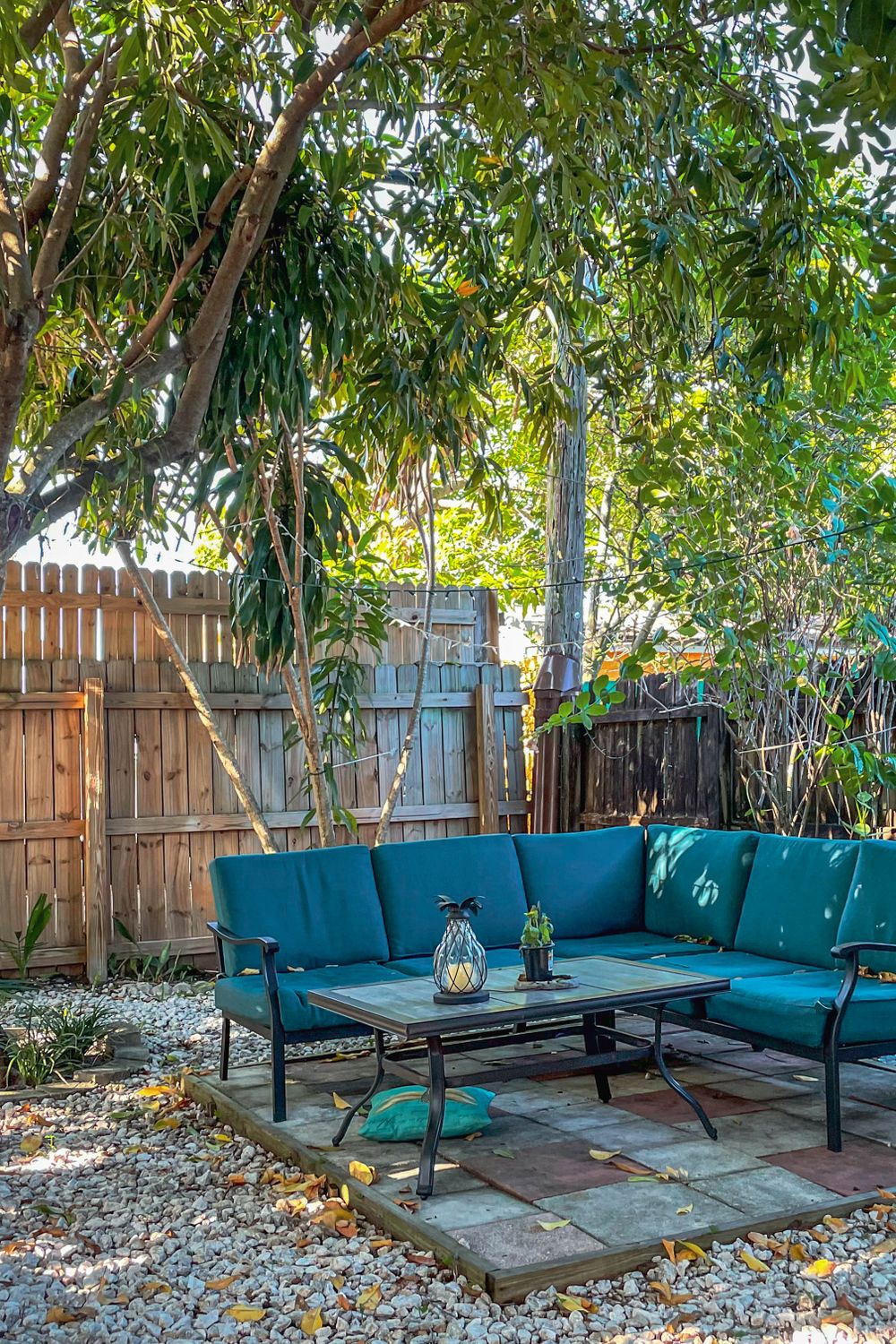
Trees and climbing plants can make a backyard feel welcoming while adding useful shade. They’re a beautiful complement to built structures, especially if you enjoy a little greenery around your outdoor seating area.
Deciduous trees provide leafy coverage during warmer months, then lose their leaves and allow more sunlight through in winter. Trees also cool their surroundings as they release water vapor, although the effect varies with the site, species, and growing conditions.
Climbing vines trained over a pergola or trellis can create a living shade canopy. They can soften the look of a structure while filtering sunlight over a sitting area or walkway.
Choose plants suited to your climate and give them room to grow. Mature size, roots, overhead wires, and maintenance needs all matter. Well-placed trees and vines can support your shade plan without creating new problems for the house.
Choosing Materials That Hold Up Outdoors
The frame and covering need to handle more than a pretty day. Sun, moisture, wind, and seasonal temperature changes all affect how a shade system wears over time.
Before comparing colors and finishes, ask about the materials, care instructions, warranty, and performance ratings. Products that look similar can have very different installation and maintenance needs.
Aluminum, Wood, or Vinyl Framing?
Aluminum is popular for its strength relative to its weight and its resistance to rust. It can be a practical choice for homeowners who want less routine maintenance than wood usually requires. Still, finishes, connections, and exposure matter, especially near saltwater. Occasional cleaning and inspections remain part of ownership.
Wood brings a warm, traditional look that works beautifully with many homes and gardens. It does need regular attention. Depending on the species and finish, that may include sealing, staining, or painting, along with checks for rot, insects, and loose connections.
Vinyl offers an easy-care appearance and does not need painting in the same way wood does. Some systems use vinyl over a metal support, while others rely on reinforced profiles. Ask what provides the structural strength and how the product handles your climate’s temperature extremes.
There’s no single framing material that wins in every situation. Compare the complete system, the upkeep you’re comfortable doing, and the conditions around your home.
Canopy Fabrics and Roof Panels
For covered patios and some pergolas, polycarbonate panels can provide overhead coverage while allowing daylight through. Multi-wall versions use layered construction, and different tints influence the amount of light and heat that passes through.
Check UV, heat-transmission, and impact specifications separately. A panel that blocks UV does not necessarily block the same proportion of solar heat. Hail performance also depends on the particular panel and installation.
For awnings, solution-dyed acrylic is often chosen for its color retention and outdoor durability. The color is incorporated into the fibers during manufacturing, helping it resist fading. Water resistance and cleaning needs vary by fabric and treatment.
HDPE mesh is another common option for shade sails because it allows airflow. PVC-coated polyester may suit applications that need a more water-resistant covering. For any material, check whether the finished system is intended to shed rain, let it pass through, or retract before it starts.
Smart Controls That Make Shade Easier to Use
Motorized systems can make adjusting your shade as simple as pressing a button. Depending on the product, you may also be able to use a remote, a phone app, or compatible voice controls.
That convenience is useful when an awning is large, a screen is difficult to reach, or you simply want to make changes without interrupting what you’re doing. Some systems also offer sensors that respond to changing conditions.
Wind, Sun, and Rain Sensors
Wind sensors can trigger certain retractable products to move into their recommended position when conditions reach a preset level. They add convenience, but they do not guarantee protection against sudden gusts or replace the manufacturer’s weather instructions.
Sun sensors can tell compatible shades to adjust as sunlight changes. More advanced systems may combine sensors with schedules or sun-position controls. The available functions depend on the system you choose.
Rain sensors can also help, but different products respond differently. A compatible louvered roof may close, while a fabric awning may need to retract. Ask what the system actually does when rain begins.
Before paying extra for automation, check compatibility, power needs, and manual operation during an outage. The best features are the ones that fit your routine and make the system easier to use.
Planning Installation: DIY Kit or Professional Help?
A smaller kit can be an appealing project if you have the tools, experience, and suitable installation conditions. Larger structures, motorized systems, and products intended for significant wind exposure often need more specialized planning.
The important question is whether the finished installation can safely handle its weight and expected loads. A neat-looking attachment isn’t enough if the supports underneath aren’t suitable.
Mounting, Footings, and Permits
Pergolas and permanent patio covers may need footings designed for local soil, frost conditions, and structural loads. In high-wind areas, specified connectors and anchors help transfer forces through the structure into its supports. The correct details depend on the whole design.
Wall-mounted awnings and screens need suitable structural attachment points. Siding or decorative trim alone may not provide the necessary support. Soffit mounting is possible for some products, but the supporting structure must be appropriate for that installation.
Check local permit requirements before ordering or building. Depending on the project, you may need drawings, engineering information, inspections, or approval related to setbacks and attachments.
A qualified installer or designer can help you work through those details. It’s much easier to sort out a mounting problem before installation than after the structure is already in place.
Frequently Asked Questions About Exterior Home Protection and Shade
How Much Solar Heat Can Exterior Shade Block?
Exterior shade intercepts sunlight before it reaches the window or surface below, which can help reduce heat gain. The amount depends on the shade design, coverage, fabric or panel, sun angle, and window orientation.
A product’s UV-blocking percentage is not the same as its reduction in solar heat gain. Ask for information that matches your goal, whether that’s less glare on the patio, cooler indoor rooms, or protection for furnishings.
How Do You Calculate the Right Overhang Size?
Start with the home’s location, window direction, and dimensions. A fixed overhang needs to account for seasonal sun angles, along with how much summer shade and winter sunlight you want.
For south-facing windows in the Northern Hemisphere, a carefully sized overhang can help balance those goals. East- and west-facing windows may need additional measures for low-angle sunlight. A designer can calculate a size suited to the actual window rather than relying on a universal rule.
Which Shade System Offers the Best Wind Resistance?
The answer depends on the exact product and installation. Some retained screens and permanent structures are designed for higher wind exposure, while many retractable awnings need to be put away before conditions worsen.
Compare tested ratings, operating limits, anchoring requirements, and local approvals. Brackets alone do not establish a structure’s wind rating, and a high wind rating does not automatically mean protection from flying debris.
Make Your Outdoor Space Work for Your Family
The best exterior home protection and shade setup is one that suits your home, climate, and everyday life. That might mean an awning over the patio, a pergola for family meals, or screens that make a sunny porch more comfortable.
Start with the spaces you use most, choose materials you can maintain, and give installation the attention it deserves. With thoughtful planning, you can create an outdoor area that feels more inviting while giving your home and belongings the protection they need.