Updated on: November 22, 2026
Originally published on: November 22, 2026
Intense UV rays, salty air, and morning humidity can wear down coastal exterior paint. Thorough surface prep and a weather-resistant coating can help your home’s finish hold up longer.
Moving away from basic cosmetic touch-ups toward rigorous preparation keeps your investment safe. Proper marine-grade protective coatings provide the defense your property needs.
Why Coastal Climates Destroy Standard Exterior Finishes
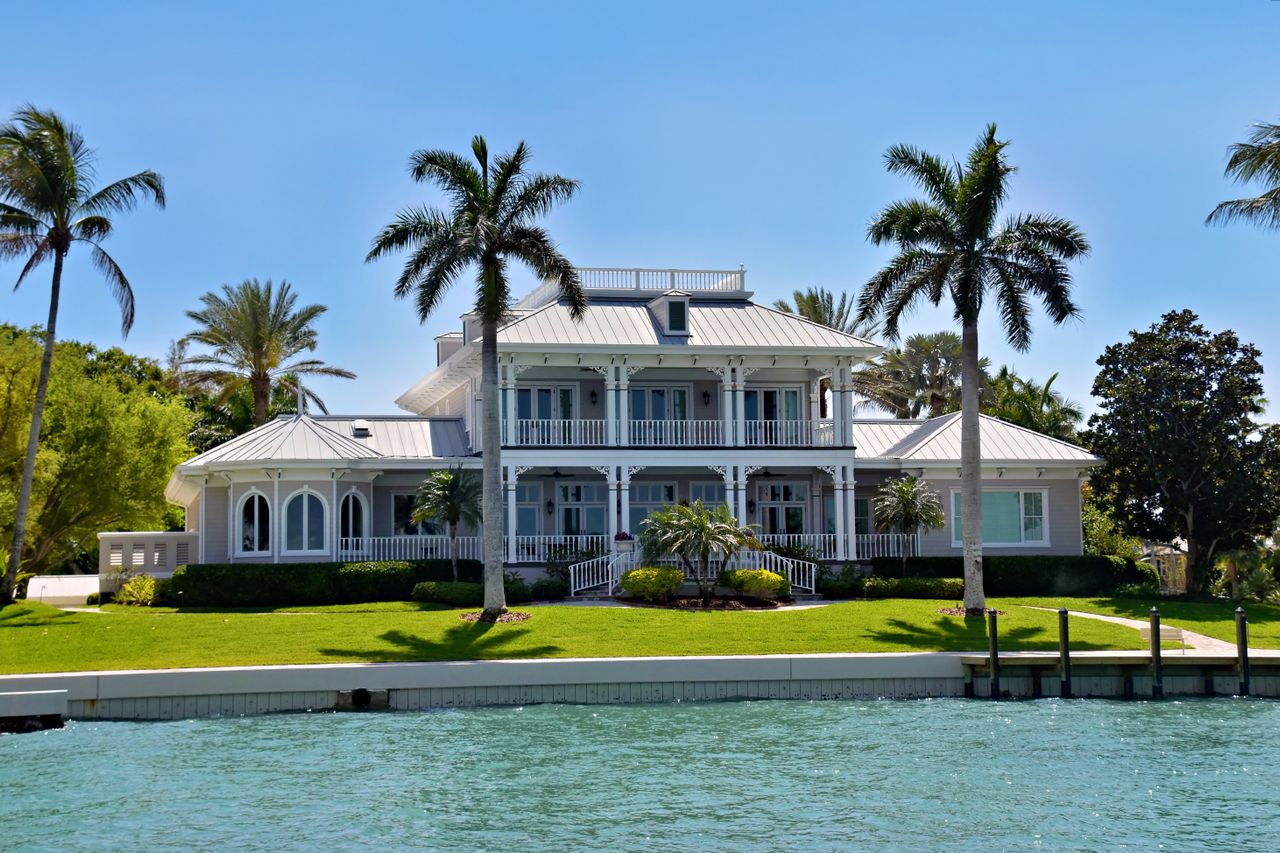
Living near the ocean subjects your home to abrasive elements that strip away conventional paint. Morning dew leaves a damp film while microscopic salt crystals settle into that moisture. The midday sun bakes this residue into your walls.
Standard acrylics lack the flexibility needed to endure this cycle. Constant expansion from temperature shifts causes brittle finishes to micro-crack within a few seasons. Moisture finds an easy pathway straight through your defense.
Fading colors serve as an early warning sign that ultraviolet radiation is degrading your coating. Darker shades absorb heat and break down faster under direct sunlight. Addressing this degradation early prevents superficial wear from escalating into structural damage.
How Does Moisture Intrusion Threaten Wood And Stucco?
Water constantly searches for a way past painted surfaces to compromise the building materials underneath. Exposed stucco absorbs marine humidity like a sponge once its coating fails, rusting the metal lath until sections detach.
Wood siding and trim boards face an even greater risk without thorough sealing on every edge. According to FEMA guidelines, the cut end grains of wood components absorb moisture up to 30 times faster than the flat sides.
Pest infestations often follow closely behind unchecked water intrusion around your roofline and window trim. Maintaining an unbroken exterior barrier protects your framing from both organic wood decay and destructive termites.
Evaluating Crews For Thorough Surface Preparation
Finding the right professionals determines whether your investment lasts for a decade or peels rapidly. When you hire a crew for exterior house painting in San Diego, they must understand the unique demands of coastal humidity. You need a team that prioritizes exhaustive surface remediation.
Ask potential painters detailed questions about their specific process for neutralizing marine salt. A reputable crew will gladly explain their low-pressure washing protocols and specific bonding primers. Skipping these critical foundation steps guarantees that new coatings will bubble and flake.
Reviewing past local projects gives you a clear picture of how a contractor's work holds up. Look closely at how they handle challenging transition points where different materials meet. Expert painters dedicate significant labor hours to prepping these vulnerable joints.
What Does A Proper Salt-Neutralizing Wash Entail?
Cleaning a coastal home requires much more than blasting siding with a high-pressure washer. Guidance from RGA Window and Door Systems emphasizes rinsing exterior window and door frames with fresh water to remove accumulated salt and dirt.
Experienced crews apply salt-neutralizing cleaners at low pressure to dissolve chalky residue and invisible salt films. This gentle method sanitizes your exterior without gouging soft wood or driving chlorides into aged stucco.
Giving your home adequate time to dry out completely after washing is critical for strong adhesion. Coastal humidity often means your walls need 2 to 3 days of clear weather before priming begins.
Scraping, Patching, And Caulking Your Vulnerable Gaps
Creating a perfectly smooth canvas demands rigorous manual labor after the house dries. Scraping away loose sections of old paint prevents the new application from pulling previous layers off. Painters must feather the edges of the remaining sound paint seamlessly.
Filling cracks correctly prevents future moisture intrusion from ruining your freshly coated walls. You must use specialized elastomeric patching compounds on stucco to bridge gaps securely. Standard rigid spackle will crack the moment your home shifts in the heat.
Addressing every minor flaw prepares the exterior for maximum paint adhesion. Your crew must identify all potential water entry points before opening finish coats.
- Seal window frames: Apply premium polyurethane caulk to block rain.
- Fill trim gaps: Bridge spaces between siding and corner boards.
- Replace rotted wood: Cut out soft fascia boards before painting.
Applying High-Build Primers To Anchor New Coatings
The primer acts as the crucial anchor that physically bonds your protective finish to bare materials. High-build formulations fill microscopic pores in weathered wood to stop tannins from bleeding through. This barrier layer creates a uniform surface for the final topcoat.
Masonry and stucco require a specialized masonry conditioner to lock down chalky residue. These thin primers soak deep into the porous surface and bind crumbly material into a solid substrate. Without this stabilizing layer, standard paint will peel off in sheets.
Spot-priming exposed nail heads and metal flashings with rust-inhibitive products stops orange streaks. Coastal air rusts standard galvanized fasteners rapidly once their factory coating wears thin. A dedicated metal primer completely seals the hardware away from salty oxygen.
Maximizing The Lifespan Of Your Coastal Paint Job
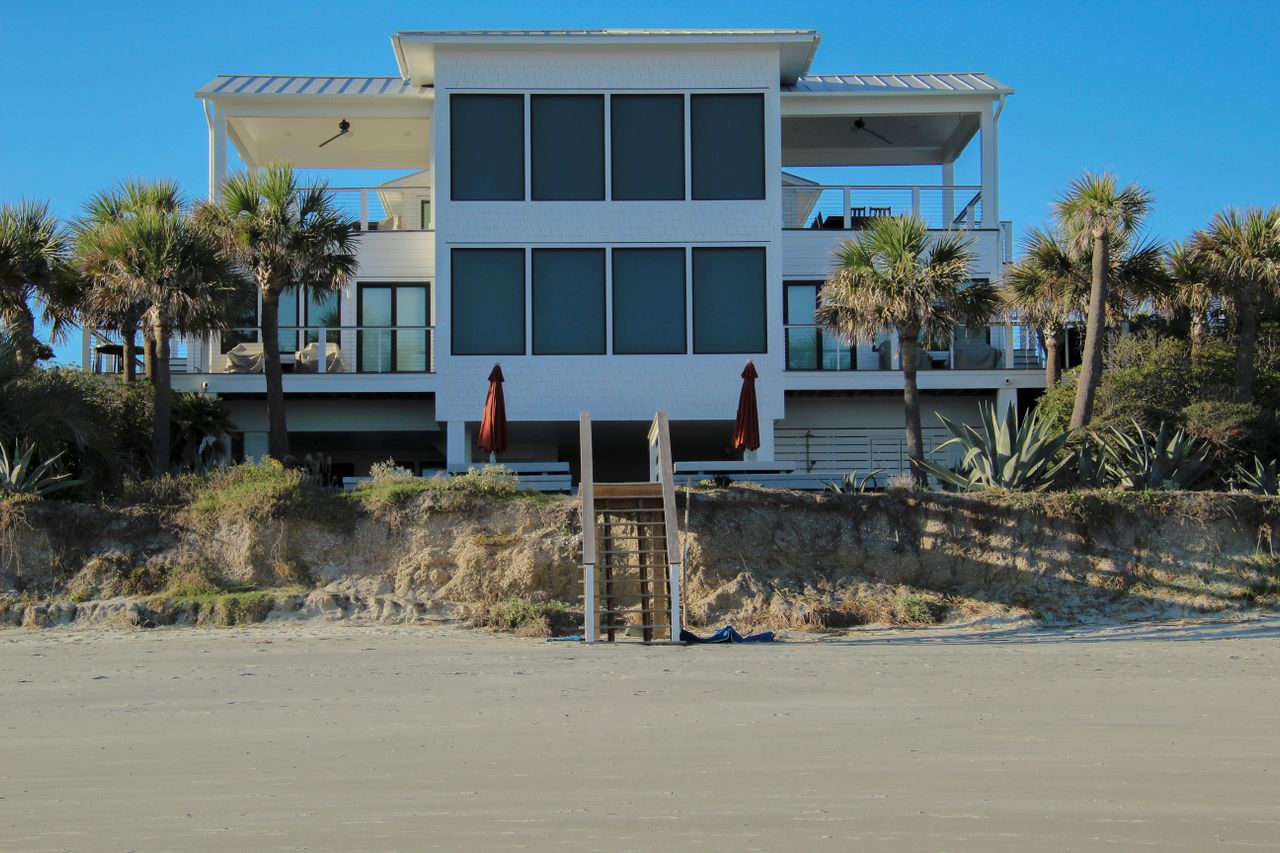
Protecting your fresh exterior requires adopting a proactive maintenance routine once the painters leave. Rinsing your home every six months removes corrosive salt buildup before it eats through the clear binders. A garden hose provides plenty of pressure to wash away marine deposits safely.
Keeping vegetation trimmed back away from your siding prevents localized moisture traps from rotting your wood. Shrubs resting directly against the house block sunlight and airflow, creating a damp zone. You should maintain at least a one-foot gap between exterior walls and landscaping.
Performing routine visual checks helps you catch minor issues before they compromise the coating system. Taking immediate action on small defects keeps water away from your bare siding.
- Inspect caulking annually: Check around your doors every fall for splitting sealant.
- Touch up scratches: Dab fresh paint on any chips immediately.
- Monitor your gutters: Clean debris so overflowing water bypasses the siding.
Combining thorough salt-removal preparation with premium, UV-resistant coatings dramatically extends the life of your exterior finish. Taking the time to properly seal and prime your vulnerable siding blocks moisture intrusion.
Your home stands as a massive investment that deserves uncompromising protection from extreme marine weather. Trusting proven coastal application methods ensures your property retains its structural integrity for years.