
Updated on: November 22, 2026
Originally published on: November 22, 2026
DIY drain cleaners and boiling water rarely clear deep pipe clogs caused by hardened grease or tree roots. If your drain slows down again after a quick fix, a plumber can use a camera inspection to find the blockage and determine how to clear it.
You pour a bottle of thick chemical gel down a slow kitchen sink, wait 30 minutes, and flush the line with a kettle of boiling water. For a day or two, the basin drains smoothly before that familiar gurgle returns louder than before. Store-bought solvents, baking-soda-and-vinegar mixtures, and short plastic hair snakes rarely reach stubborn buildup buried deep inside your residential plumbing lines.
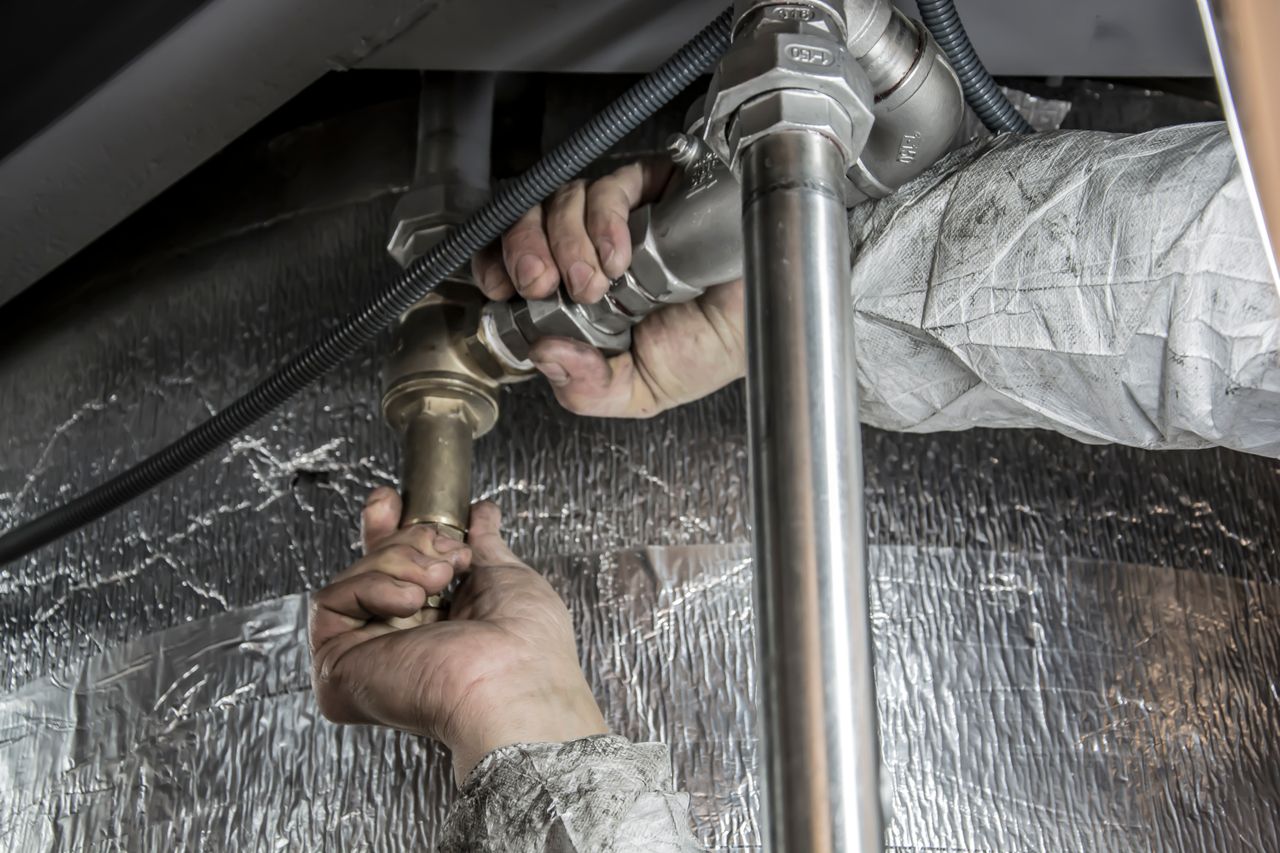
Moving past temporary do-it-yourself fixes protects your home from messy backups and costly pipe damage. Video camera inspections and professional mechanical clearing locate and remove deep obstructions right at their source.
Why Do Household Drain Cleaners Only Clear Surface Buildup?
Liquid drain cleaners and homemade vinegar fizz rely on gravity and direct contact. When you pour them down a bathroom sink or shower drain, they settle inside the curved P-trap directly beneath the fixture. These formulas dissolve loose hair, toothpaste, and surface soap scum sitting near the opening, which makes you think you solved the problem.
Once that liquid travels past the trap into wider horizontal branch lines, it loses strength fast. Standing wastewater dilutes chemical solvents, while boiling water cools down within a few feet of cold metal or plastic piping. Because deep blockages sit 20 to 60 feet away in your main sewer lateral, household liquids never reach the obstruction with enough power to break it apart.
What Happens to Grease, Mineral Scale, and Tree Roots Deep Inside Pipes?
Deep plumbing clogs differ completely from the soft hairballs you pull out of a shower strainer. Down in the main lines, heavy waste accumulates layer by layer until water can barely trickle past. Three major culprits drive almost every recurring residential blockage:
- Hardened cooking grease: Liquid fats and oils wash down kitchen drains warm, then cool and solidify along pipe walls like concrete while trapping food scraps.
- Stubborn mineral scale: Calcium and magnesium deposits build up inside aging pipes, narrowing the inner diameter and creating rough ledges that snag passing debris.
- Invading tree roots: Thirsty roots seek out moisture around microscopic joint gaps in underground sewer lines, forcing their way inside and expanding into dense mats.
No amount of fizzing baking soda or boiling kettle water can melt calcified mineral scale or sever woody tree roots. Trying to wash heavy grease deeper down the line simply shifts the clog toward your municipal sewer connection.
When Should You Call a Specialist for Stubborn Sewer Line Clogs?
Recurring backups across multiple fixtures signal a deep obstruction that household remedies cannot safely clear. When facing persistent slow drains or aging underground laterals, homeowners seeking drain repair in San Jose often schedule licensed residential specialists who perform non-invasive camera inspections before starting any pipe work. Bringing in a trained technician early stops minor root intrusion or hardened grease from turning into a messy sewer overflow.
Watch for clear warning signs that a blockage sits inside your main sewer line rather than a single sink trap. Gurgling toilets when you run the washing machine, foul odors rising from floor drains, and water backing up into a downstairs shower all point to a deep line restriction. Addressing these symptoms right away saves you money on emergency cleanup and structural repairs.
How Can Chemical Solvents Damage Your Aging Pipes?
Repeatedly pouring caustic drain cleaners into a slow line puts your plumbing hardware at serious risk. Commercial gels rely on sodium hydroxide or sulfuric acid to eat through organic matter, triggering an exothermic chemical reaction that produces intense heat. When a deep clog traps that superheated liquid inside plastic piping, the high temperature can warp PVC walls and soften solvent-welded joints.
Older metal plumbing faces an even steeper threat from harsh store-bought formulas. According to Consumer Notice, aging cast-iron pipes develop rough interior surfaces that snag flushable wipes and hygiene products, while caustic chemical cleaners accelerate metal corrosion. Weakened pipe walls gradually pit, crack, and leak wastewater into your foundation or crawlspace.
Why Do Plastic Hand Augers Often Make Deep Clogs Worse?
Short barbed plastic strips and inexpensive hand-crank augers look appealing when you want a quick fix without chemicals. Most retail hair snakes measure just 18 to 36 inches long, meaning they barely clear the sink trap before running out of reach. Pushing a short auger against thick sludge often punches a narrow pinhole through the center of the clog while leaving hardened grease glued to the pipe walls.
Using the wrong mechanical tool can create an even bigger headache inside your drain line. As the Daily Express notes, flimsy plastic drain snakes can snap off inside the pipe and worsen the blockage, making durable stainless-steel versions a much safer choice for shallow clogs. When an auger pushes debris deeper into a narrow bend, you end up with a compacted plug that requires professional extraction.
How Do Fiber-Optic Camera Inspections Pinpoint Hidden Blockages?
Modern plumbers no longer guess what is happening beneath your floor or front lawn. Before clearing a stubborn main line, a licensed technician feeds a waterproof, high-resolution fiber-optic camera through an accessible cleanout port. Live video footage displays the interior condition of your pipes on a monitor in real time.
Identifying the Exact Culprit and Pipe Condition
Clear visual diagnostics show whether you are dealing with thick grease layers, collapsed clay sections, or invading tree roots. Seeing the pipe interior lets your plumber select the safest clearing method for your specific pipe material rather than risking damage with blind mechanical force.
Mapping Depth and Location Above Ground
Each camera head houses a tiny radio transmitter that sends a signal to a handheld locator at ground level. Your technician walks the yard to mark the exact spot and depth of a broken joint or root mass, eliminating unnecessary digging across your driveway or landscaping.
What Professional Clearing Methods Restore Full Pipe Flow?
Once video diagnostics confirm the blockage type and pipe strength, plumbers deploy commercial equipment built to clean the entire inner circumference of the line. Unlike retail tools that poke temporary holes, professional clearing restores full drainage capacity.
Pressurized Hydro-Jetting for Grease and Scale
Hydro-jetting uses a specialized hose and multi-directional nozzle to blast clean water at pressures up to 4,000 PSI. Forward jets break through solid obstructions while rear-facing jets scour grease, mineral scale, and silt off the pipe walls, flushing debris out to the municipal sewer.
Targeted Line Restoration for Damaged Pipes
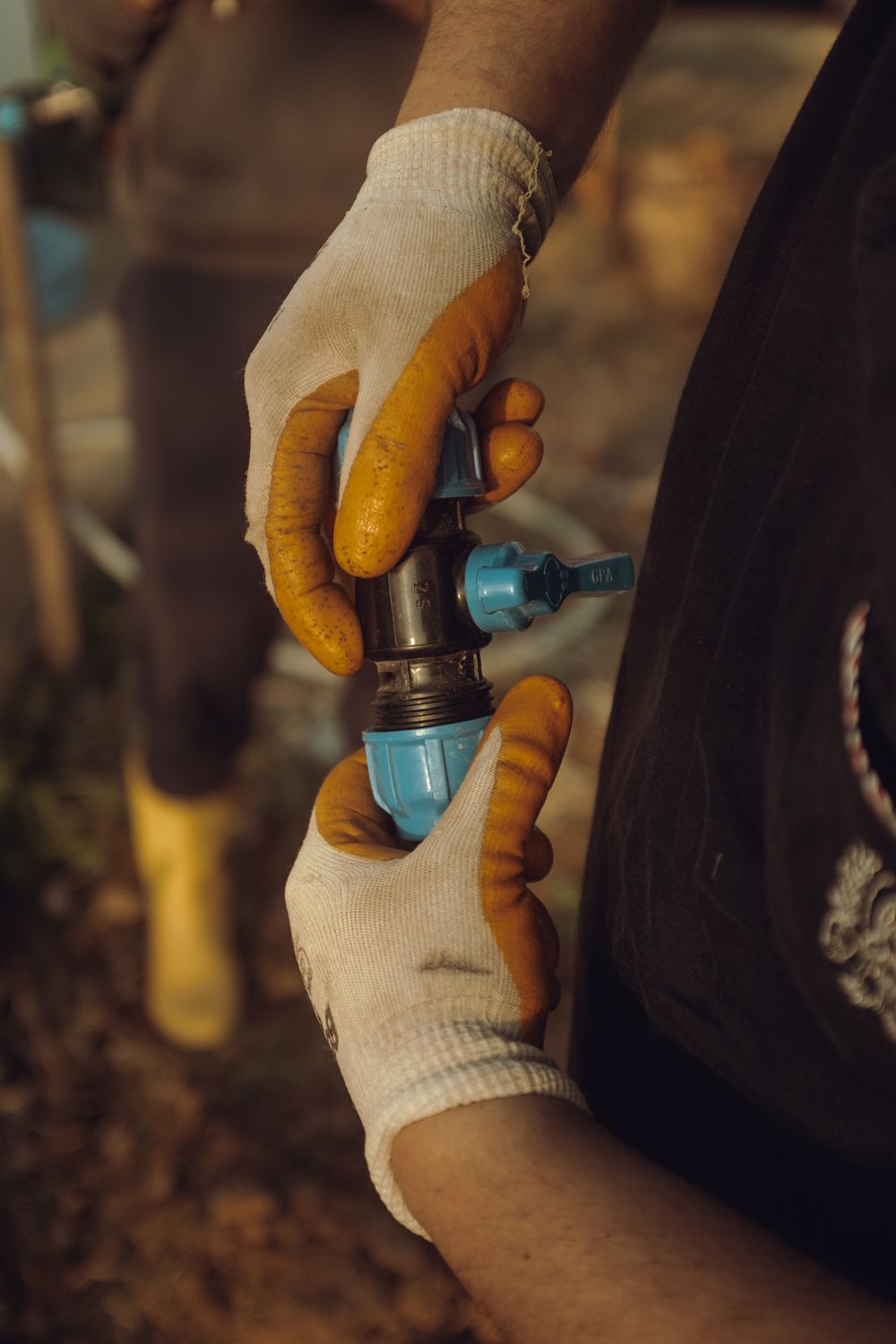
When a camera inspection reveals structural cracks or heavy root intrusion, plumbers match the repair strategy to the damage:
- Mechanical root cutting: Motorized rotary blades slice thick root masses flush against the inside wall of sturdy clay or cast-iron lines.
- Trenchless pipe lining: Technicians insert an epoxy-saturated felt liner that cures in place, sealing cracks and blocking future root entry without digging.
- Spot-repair excavation: Precision digging replaces a single collapsed pipe section while leaving the rest of your yard untouched.
Skipping harsh chemical drain cleaners in favor of video diagnostics and mechanical clearing protects your aging pipes while resolving recurring clogs at their source. Next time water pools around your ankles or backs up in the kitchen sink, resist reaching for another bottle of caustic gel. Scheduling a thorough camera inspection gives you clear answers, safeguards your plumbing system, and restores reliable drainage for years to come.
More Home and Garden
- How to protect your home’s exterior paint from coastal sun and salt air
- Countertop gravity water filters are evolving as families demand verified testing
- Pop-up wood-fired backyard saunas are trending as an affordable home spa upgrade
- What to Do After Moving Into a New Home: A First 48 Hours Checklist