
Updated on: November 5, 2026
Originally published on: November 5, 2026
Home remodeling should be exciting, but common home renovation mistakes can quickly turn that excitement into extra costs and delays. Hidden damage beneath old flooring, late deliveries, or kitchen cabinets that don’t fit can throw your plans—and your budget—off track.
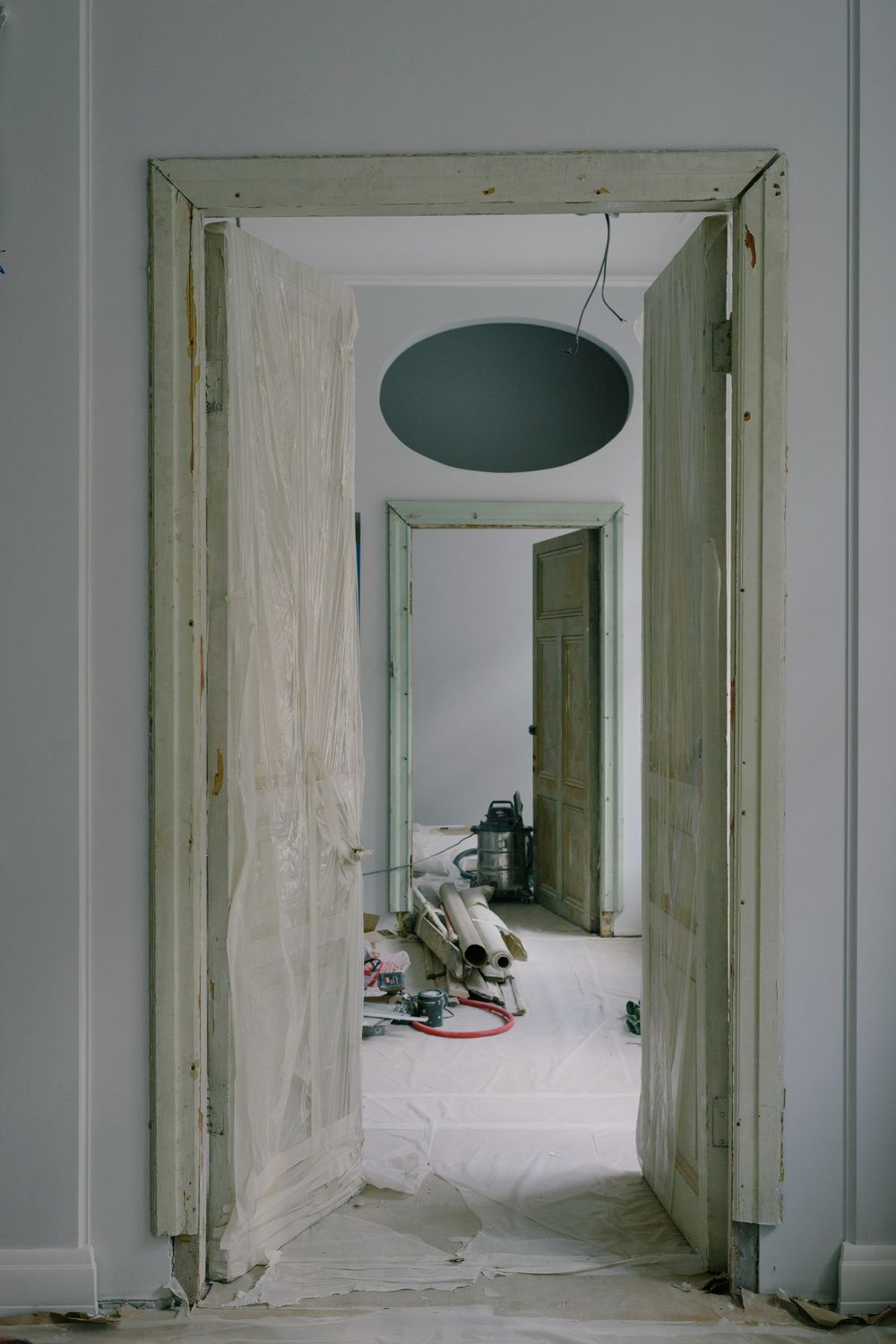
You can do a lot to prevent common mistakes, but you can't plan for every hiccup. Before work begins, keep these home renovation mistakes in mind.
1. Underestimating the Budget.
You can quickly underestimate the costs for the obvious items such as cabinets, tiles, and paint, and assume you've got everything covered. Unfortunately, the smaller costs tend to sneak up on you when work begins.
Factor in delivery charges, garbage pickup, equipment hire, and extra materials. Include labour costs and any permissions needed, and then budget for some unexpected expenses. Many of the older homes are prone to problems, particularly until work is underway.
If you’re on a tight budget, prioritise repairs over finishing touches. Good-looking cabinet knobs can't fix up a leaking pipe.
2. Covering Up Existing Problems
A fresh coat of paint will cover up a wet spot, but won’t repair the leak that caused it. Worse, you may end up removing recently redecorated walls to deal with the issue later. When preparing a room for decoration, inspect for water marks, cracked plaster, broken floor, and poor ventilation. But don't brush off recurring odors, either.
Determine the cause of anything that’s suspicious before concealing it. In some cases, this means hiring a professional, especially in older properties. Handle any damage before paying for finishing. If you find mold, follow the EPA’s mold cleanup guidelines and fix the moisture problem before repainting.
3. Guessing the Measurements
Your new worktop has arrived, and it’s a few centimetres too long. Suddenly, you're not enjoying your new kitchen anymore and are arranging a replacement. Measure carefully before ordering fitted furniture, doors, or bathroom fixtures. Always double-check the numbers and note that older walls and floors need not be straight.
Consider skirting boards, pipework, sockets, and space for doors to open. If you are ordering custom items, please have the installer verify the dimensions before ordering. You'll spend much less on a tape measure than on a mistake.
4. Planning Around a Perfect Timetable
A bathroom renovation may sound simple at first glance. But then a delivery is late, plaster dries slowly, or the foundation is cracked and reveals old flooring under old tile.
Discuss a work schedule with contractors, and get an honest answer on when tasks will be completed and which ones must be done first. If any item is “made to measure,” order it in advance and give some time for it to be manufactured between stages.
Put the details in writing, using the FTC’s tips for hiring a contractor to check that your contract includes estimated start and completion dates, the scope of work, and costs.
Are you renovating your only kitchen or bathroom? Spend some time figuring out how you'll cope without it for a while. Don't make a housewarming party the day following your projected completion date. You may be cutting things a little close.
5. Choosing the Wrong Heating Setup
When decorating, you can get caught up in the paints and furnishings and forget about how the room will look on a cold morning. However, the heating should be considered before you start decorating.
An undersized radiator will keep a room cold. If it is too large, it could cost more than you need. The size of the room, the insulation, windows and external walls all have an impact on the heat requirement.
As a starting point, use a BTU calculator from UK Radiators to calculate the heating needs of a room. Make sure the radiator you've selected matches the temperatures your heating system runs at, and if you’re not sure, consult a qualified professional. It's preferable to get this right first, before the room is completed.
6. Taking On Too Much DIY
Sometimes it can be rewarding to paint a bedroom or change the handles on cupboards – particularly if you can save on the cost of labour. But you can’t do all jobs alone.
Some jobs involve electrical changes, structural changes, and plumbing and heating that require specialist skills. A mistake may be life-threatening, or you’ll have to pay a professional to fix it.
Be realistic about your experience. When working with unfamiliar tools, materials, or safety needs, consult with a professional before starting the work. Refer to applicable regulations and hire qualified professionals for work requiring the services. It's okay to leave tricky jobs to someone who does it all the time.
7. Picking Looks Over Practicality
That pale carpet might look gorgeous in a showroom. But after a week of muddy shoes and pet hair? Perhaps not quite so gorgeous.
Before copying a design that you have found online, think about how you live. Hardwearing floors are essential in busy hallways. Bathrooms have to have a place for the toiletries. The kitchen work surfaces should be well lit so you can see what you're doing.
Also, leave ample space to maneuver furniture easily. Even the nicest room can be distracting when you constantly have to get around a table or find somewhere to store things.
8. Changing Plans Halfway Through
Moving a sink seems easy, until you find out the plumbing is already installed. After-completion changes may involve additional labour, new materials and delays.
Make the major decisions regarding layout, fittings, flooring and placement in the early stages. Take samples home, rather than just selecting colours from a screen.
Sometimes a change really is necessary. Before agreeing, ask your contractor what it will cost and how it will affect the schedule. That way, you'll know exactly what you're signing up for, instead of getting a nasty surprise on the final bill.
Sometimes it’s indeed time to change. Make sure to ask your contractor how much it will cost and if it will impact the timeline before you sign anything. This way, you can avoid an unpleasant shock when you receive your bill or signing up for something that you didn't expect.
9. Forgetting Future Maintenance
When everything looks new, it's easy to assume the work is finished. However, pipes do require maintenance, surfaces are scarred, and fittings still break every now and then.
Don't permanently block access to plumbing and heating elements. Use surfaces that are easy to clean, particularly in active areas, and think twice about finishes that require constant care.
Store warranties, installation instructions, and spare tiles or paint in an appropriate place. You'll be glad you did when a small repair arises.
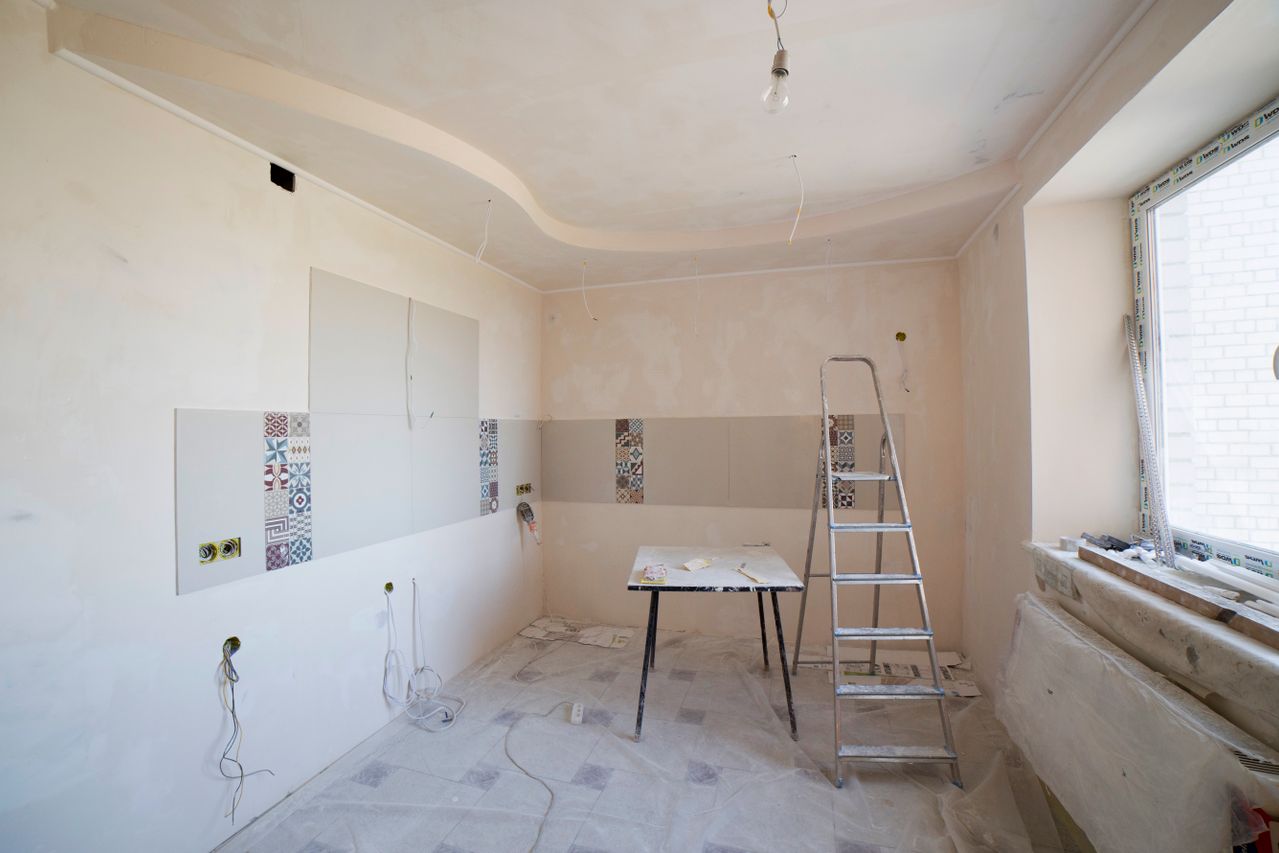
Final Thoughts
The beauty of a successful renovation isn't limited to what your home looks like after the dust has settled. It's about having rooms that function for your everyday existence without giving you unnecessary bills.
Verify the information, be prepared for surprises, and ask for assistance with tasks you can’t do. You can often avoid a lot of frustration if you’re a little patient before work starts.