
This post may contain affiliate links. I only recommend products I use and love. Read the full disclosure here
Updated on: September 2, 2026
Originally published on: September 2, 2026
Knowing how to choose a coffee table is about much more than finding one that looks good next to your sofa. A coffee table is the working center of a living room, helping tie together the sofa, rug, accent chairs, and surrounding furniture while giving you a practical spot for everyday essentials. The best choice starts with thinking about how you actually use the room.
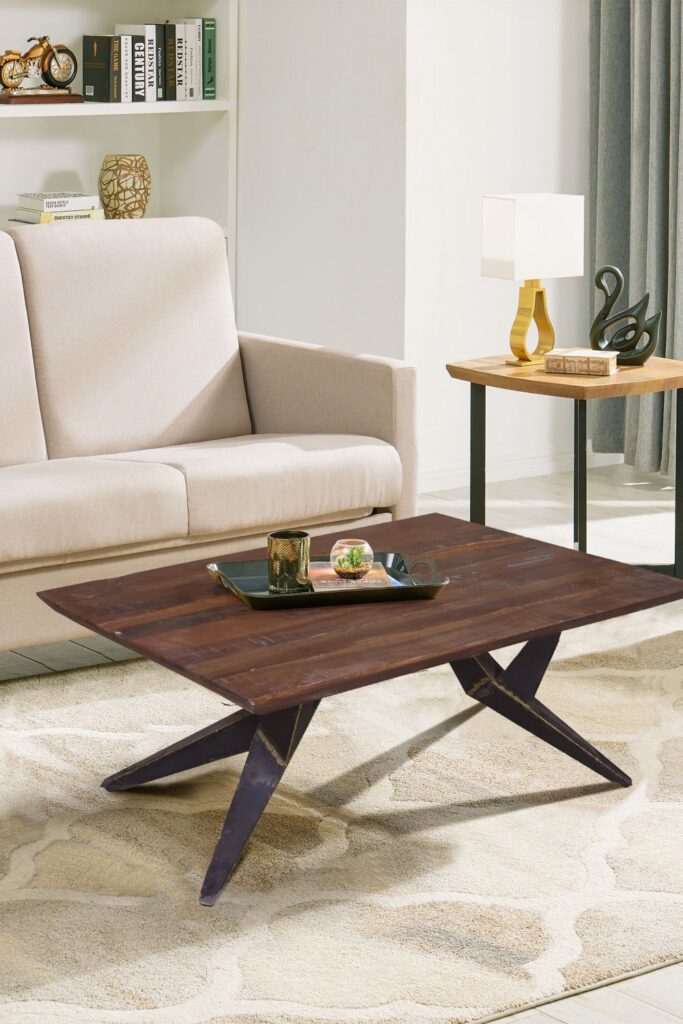
After all, even the most beautiful coffee table can quickly become annoying if you’re constantly bumping into it, squeezing around it, or stretching to reach your drink. A large rectangular table may look fantastic in a spacious showroom, but place it in front of a compact sofa and suddenly the entire room can feel cramped. Getting the proportions, shape, height, and materials right makes all the difference.
Why Measurements Should Come Before Materials
It’s tempting to start shopping based on color or material, but grab the measuring tape first. Measure the sofa’s full length, seat height, and the open space directly in front of it. A good starting point is a coffee table that measures about two-thirds the length of the sofa, although that’s certainly not a rule set in stone.
Deep sectionals, modular sofas, unusually shaped rooms, and open-plan living spaces may call for something shorter, wider, or more flexible.
- Measure the sofa from arm to arm.
- Measure from the floor to the top of the seat cushion.
- Take note of the paths people normally use to enter, leave, and walk through the room.
- Measure the space between the sofa, chairs, media unit, and other nearby furniture.
- Use painter’s tape or pieces of cardboard to mark the table’s proposed footprint on the floor.
That last trick is especially helpful because measurements on paper don’t always translate to how a piece of furniture will feel once it’s sitting in the room.
For most living rooms, leaving roughly 16 to 18 inches between the sofa and coffee table provides enough space to move comfortably while still keeping drinks, snacks, books, and remotes within easy reach. Don’t forget about recliners, ottomans, drawers, cabinets, and doors. Anything that opens or moves needs enough breathing room to do its job.
Pick A Shape That Fits The Seating Layout
Once you know how much room you have, choosing a shape becomes much easier. Instead of picking whichever design catches your eye first, look at the lines and arrangement of your existing furniture.
Rectangular Tables
Rectangular coffee tables are a natural match for long sofas and larger seating arrangements. Their generous surface area provides plenty of room for drinks, trays, books, games, and decorative accents without everything piling up in one spot.
They also complement rooms with strong horizontal lines, including long area rugs, media consoles, and traditional three-seat sofas. Just be careful with oversized rectangular tables in narrow rooms, where those extra inches can quickly eat into your walking space.
Round And Oval Tables
Round tables are particularly useful in smaller or busier living rooms because there are no sharp corners sticking into pathways. They can also soften a room filled with straight lines and angular furniture.
They work beautifully with curved sofas, smaller loveseats, and conversational arrangements made up of several chairs. If you like the softer look but need more usable surface area, an oval table offers the best of both worlds. You get the length of a rectangular table without the hard corners.
Square And Nesting Tables
Square coffee tables work especially well with balanced seating arrangements, such as two sofas facing one another or four chairs positioned around a central rug. They can also be a good fit for large sectional sofas where a narrow rectangular table might look undersized.
Nesting tables are the little shape-shifters of the coffee table world. Keep them tucked together when you need more floor space, then pull them apart when guests arrive and suddenly everyone needs somewhere to put a drink. They’re especially handy in apartments, smaller homes, and multipurpose rooms.
Choose A Comfortable Height And Clearances
Height is one of those details you may not notice when it’s right, but you’ll definitely notice when it’s wrong.
A coffee table should generally sit level with the sofa seat or slightly below it. If it towers above the cushions, it can feel bulky and intrusive. Go too low, however, and reaching for your coffee becomes an unexpected morning workout.
For example, if your sofa has an 18-inch seat height, a coffee table around 16 to 18 inches high will usually feel comfortable and proportionate.
Don’t judge the height from only the center cushion, either. Sit in the spots your household actually uses and test the reach from each one. If you constantly have to lean forward or twist around an armrest to reach the table, another size or shape may work better.
Compare Materials By Lifestyle
Material is where style meets real life. Before falling for a gorgeous finish, think about what will actually land on that tabletop every day. Coffee mugs? Kids’ snacks? Craft supplies? Feet? A suspicious number of remote controls?
Your choice of material can have a big impact on both the look of the room and how well the table handles everyday life. Options range from timber and glass to statement pieces such as Elsa Home & Beauty marble coffee tables, so it helps to consider appearance and practicality together.
Natural Stone And Marble
Natural stone and marble can give a living room beautiful visual weight, texture, and character. They pair particularly well with upholstered sofas, timber floors, and woven rugs, and natural veining means each piece has its own distinctive appearance.
The trade-off is that natural stone requires appropriate care. Some surfaces can be affected by acidic drinks, oils, abrasive cleaners, and spills that aren’t cleaned up promptly. If you love the look of stone, make sure you’re comfortable using coasters, wiping up spills, and following the manufacturer’s cleaning recommendations.
Weight is another consideration. A substantial marble coffee table may not be something you want to scoot across the room every time you vacuum or rearrange the furniture.
Wood, Glass, And Metal
Wood brings warmth into a living room and works with an enormous range of decorating styles. Depending on the finish, minor scratches and signs of everyday use may also be easier to disguise or repair than damage to more delicate materials.
Glass can make a small room appear more open because it doesn’t create the same visual block as a solid tabletop. On the flip side, fingerprints, smudges, and dust tend to announce themselves rather enthusiastically. Sharp glass corners may also be less practical in homes with small children or tight walkways.
Metal and mixed-material tables offer another option. A slim metal frame beneath a stone or timber top can create contrast while preventing a substantial tabletop from looking overly heavy.
Match The Finish To The Room’s Mood
Your coffee table doesn’t have to perfectly match every other piece of furniture. In fact, a little contrast can make the room far more interesting.
Pale stone and light timber work beautifully in bright, airy interiors, while darker stone or wood can add definition against light-colored upholstery and floors. Warm woods and textured finishes pair naturally with linen, wool, rattan, and other organic materials.
If you’re considering a tabletop with dramatic veining, bold grain, or lots of visual movement, give it some room to shine. Too many competing patterns can make a living room feel busy rather than layered.
Whenever possible, look at material or finish samples in your actual room before making the final decision. Something that appears warm beige under showroom lighting may suddenly look gray beside your sofa. Check it during daylight and again under your evening lighting.
Plan For Care And Safety
Before buying, find out exactly what your chosen surface requires. Some natural stone may need sealing, while other materials have specific restrictions on cleaners or exposure to heat and moisture.
For stone surfaces in particular, before buying, find out exactly what your chosen surface requires, including proper care and cleaning for natural stone
Wipe spills promptly, use coasters or mats beneath drinks and hot items, and avoid harsh cleaning products unless the manufacturer specifically says they’re safe. A coffee table shouldn’t require a hazmat suit every Saturday morning, but a few simple habits can keep it looking good for years.
Safety matters too. In homes with children, it’s also important to follow basic furniture tip-over safety practices when arranging the room. Check the base design, edge profile, overall weight, and stability, especially if the table will sit on a thick or uneven rug. Rounded corners can be a smart choice in homes with young children and in rooms where people frequently pass close to the table.
It’s also worth looking beyond the coffee table itself. Nearby furniture should be stable and arranged with safety in mind, particularly in homes with children. The U.S. Consumer Product Safety Commission recommends securing furniture that could tip and keeping tempting objects away from places where children may be encouraged to climb.
Use Storage Without Adding Unnecessary Bulk
Built-in storage sounds wonderful until you realize you’ve bought a giant wooden box for three remote controls and a magazine.
Drawers, shelves, baskets, and lift-top designs can be incredibly useful when they solve an actual problem. They provide convenient places for chargers, remotes, toys, books, gaming accessories, and other items that otherwise tend to wander around the living room.
But storage also adds visual weight, particularly when paired with a thick timber or stone tabletop. If you don’t really need it, an open-base table may make the room feel larger and less cluttered.
For smaller spaces, nesting tables can provide occasional extra surface area without permanently occupying additional floor space.
Style The Surface With Restraint
Once you’ve figured out how to choose a coffee table that fits your room and lifestyle, you can have a little fun styling it. The trick is remembering that you still need to use the thing.
- Use one tray to corral smaller objects.
- Add a short stack of books or a low decorative bowl for texture and interest.
- Include one natural element, such as a small plant or flower arrangement.
- Leave plenty of open space for drinks, snacks, games, and everyday life.
Groups of three or four items usually create enough visual interest without swallowing the entire tabletop. Keep taller décor away from sightlines between seats, and resist the urge to fill every empty inch.
The goal is a table that looks styled but can still handle pizza night without requiring a complete décor evacuation first.
Common Mistakes To Avoid
- Buying a coffee table before measuring the sofa and surrounding walkways.
- Choosing a shape simply because it looked great in a showroom or online.
- Forgetting to account for rugs, recliners, ottomans, side tables, drawers, and door swings.
- Selecting a delicate material for a heavily used family living room.
- Choosing an oversized or bulky table for a small space.
- Ignoring the height of the sofa cushions.
- Adding storage that you don’t actually need.
- Covering nearly every inch of the tabletop with décor.
A coffee table needs to earn its floor space. If it looks fabulous but makes the room harder to use, it isn’t the right choice.
Questions To Ask Before Buying
Before clicking “add to cart” or hauling a table home, give yourself one final reality check.
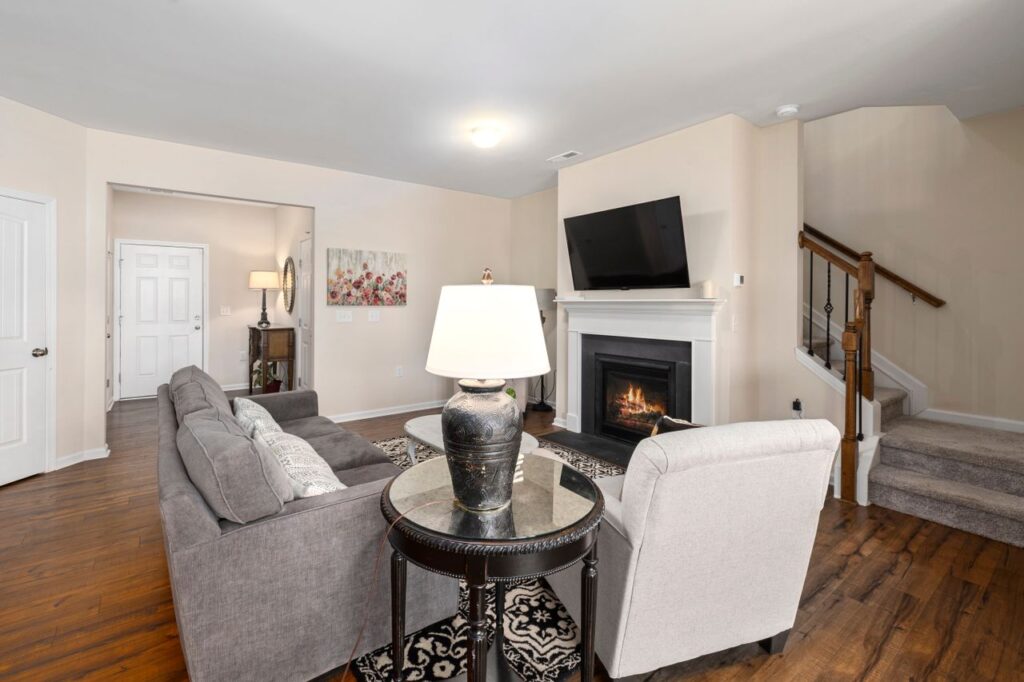
Will the table complement the sofa without overpowering it? Is there enough room for people to comfortably walk around it? Does the height feel natural when you’re actually sitting on the sofa? Can the material stand up to the way your household lives?
Think about storage as well. Will those drawers or shelves genuinely make the room more functional, or are they simply adding bulk?
Finally, look a few years ahead. A coffee table is often kept longer than rugs, pillows, and accent chairs. A versatile finish and shape can continue working even if you eventually replace the sofa or change the room’s color palette.
Conclusion
Learning how to choose a coffee table comes down to balancing style with the realities of everyday life. The right table should look at home with your sofa while making the entire living room more comfortable and functional.
Measure before you shop, choose a shape that works with the seating arrangement and traffic flow, and select a material you can realistically maintain. Pay attention to height, clearance, safety, and storage, then leave enough open surface for the things you actually use.
Get those details right, and your coffee table becomes more than the finishing touch in the room. It becomes one of those hardworking pieces of furniture that quietly makes the whole space work better.