Updated on: November 11, 2026
Originally published on: November 11, 2026
We all know that irritating feeling when you turn up the heat and one room feels like a sauna while another feels like a freezer. You adjust the thermostat, give it some time, and still end up with one room that’s too warm and another where you can barely get comfortable. Uneven heating and cooling can be just as frustrating in summer, when you’re trying to cool down a room that never seems to get enough air.
So what's going on?
There are a few possible explanations, and the thermostat isn't always to blame. Airflow, insulation, ventilation, and the condition of your heating and cooling equipment all play a part. Sometimes, a problem in one area of the house can affect how another system works, too.
Before you start shopping for a new system, let’s try to figure out what’s happening inside your house.
Start With the Air Coming Out of Your Vents
Ever notice how one vent seems to blow warm air while another barely seems to do anything? Your furnace might be running just fine. The problem could be how the air travels through the ductwork.
In a forced-air system, a fan pushes warm air through the main duct, which branches off into smaller ducts leading to each room. But the air doesn't always get where it's needed. It tends to take the easiest route, so rooms closer to the furnace may get more warm air than those farther away.
A few everyday things can make the problem worse:
- Blocked vents: That sofa sitting over a floor vent or a rug covering a register could be restricting airflow. It's worth checking that vents aren't covered.
- Dirty furnace filters: Filters collect dust, pet hair, and other debris. Once they're clogged, less air can pass through.
- Leaky ductwork: Loose connections can let warm air escape into the attic, basement, or other spaces before it reaches the room.
- Poor insulation: Sometimes the air is getting into the room just fine, but heat is escaping through the windows, walls, or attic.
If you've checked the vents and changed the filter but one room is still uncomfortable, the ductwork may be worth investigating. A technician can check how much air is reaching each room and see if any ducts need sealing or adjusting.
Your Thermostat Only Knows the Temperature Around It
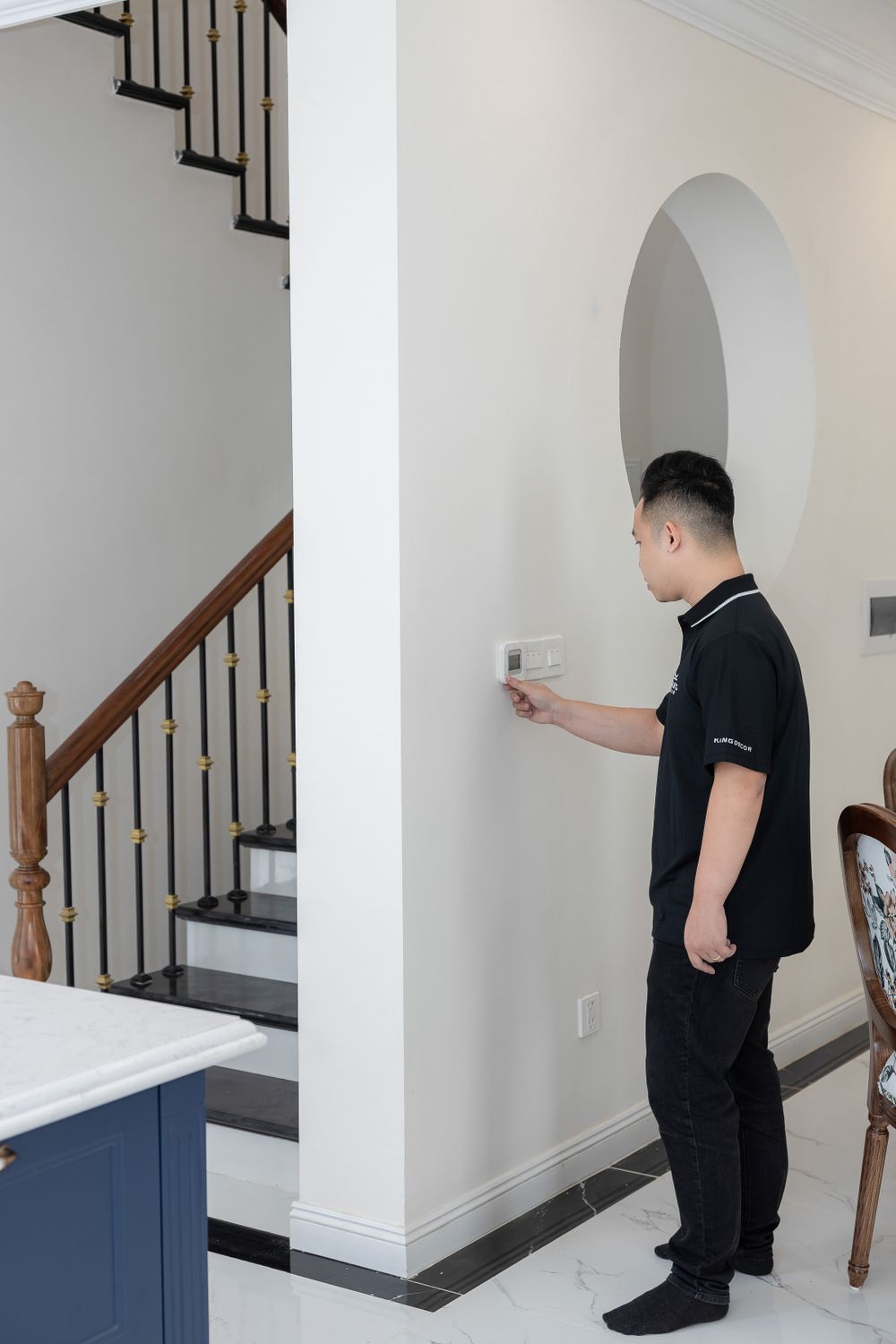
Most standard thermostats measure the temperature in the room where they're installed. They don't know that the upstairs bedroom is still cold or that the kitchen gets too warm in the afternoon.
This can cause a familiar cycle. The thermostat reaches the set temperature and turns off the furnace or air conditioner, even though other parts of the house haven't caught up.
Moving the thermostat isn't always the answer, but its location is worth checking. Direct sunlight, nearby windows, kitchens, and heat-producing appliances can all affect its readings.
A zoning system offers another option. It divides the home into separate areas, each with its own temperature control. Instead of heating or cooling the entire house to satisfy one thermostat, the system can direct air to the areas that need it.
Smart thermostats can also help with scheduling and temperature adjustments. Just keep in mind that a new thermostat won't fix blocked ducts, poor insulation, or an incorrectly balanced system.
Why Your Home Feels Different in Winter and Summer
Have you noticed how dry the air feels in winter, even with the heat running? That's because cold outdoor air holds less moisture. Once it's heated inside, the air can feel even drier. You might notice dry skin, an itchy throat, or static shocks when you touch a doorknob.
A whole-home humidifier can help. It connects to your water supply and adds moisture to the air as it moves through your heating system. Just keep an eye on the settings. Too much humidity can lead to condensation on cold windows.
Summer, however, brings a different challenge. Your air conditioner cools the house and removes moisture at the same time. If it shuts off too quickly, the rooms may feel cool but still damp. This can happen if the unit is too large for the space.
Ventilation helps throughout the year, too. Bathroom fans carry shower moisture outside, while kitchen exhaust fans remove cooking smells and steam. A heat recovery ventilator (HRV) brings fresh air inside while keeping much of the heat from escaping in winter.
Each system has its own job, but they all help keep the air in your home comfortable.
What Happens When You Replace One System?
Replacing a furnace doesn't always mean removing the old unit and connecting a new one in its place. The new equipment has to work with the ductwork, gas supply, electrical connections, and ventilation already in the house. If any of these are unsuitable, the installation may require additional work.
A furnace uses a blower to move heated air through the duct system. The size of the furnace, the capacity of the blower, and the layout of the ducts all affect how much air reaches each room. A new furnace won't correct undersized ducts or leaks in the existing system. In some cases, those problems can keep the equipment from operating as intended.
Water heaters have their own requirements. A conventional tank stores hot water and reheats it as needed. A tankless unit works differently. It heats water as it flows through a heat exchanger, which means the gas supply and venting must be able to support its operation. An older gas line, for example, may not provide enough fuel for a larger tankless unit.
This is one reason plumbing and HVAC work can overlap. Furnace installations, water heater replacements, ventilation changes, and other heating, cooling, and plumbing services can involve some of the same connections and infrastructure.
Before installing new equipment, it's worth having the existing setup checked. The unit may be new, but the rest of the system still has to do its job.
Before Buying New Equipment, Check These Things
A new furnace or air conditioner can be a significant purchase. Before comparing models, take a little time to understand what your home actually needs.
Here are a few useful questions to bring to a technician:
- Is the ductwork in good condition? Leaks, loose connections, and poor sizing can affect airflow.
- Is the equipment the right size? A unit that's too large or too small can struggle to maintain comfortable temperatures.
- Where is the heat escaping? Drafty windows, attic insulation, and gaps around doors can all contribute to heat loss.
- Does the ventilation system work properly? Exhaust fans and fresh-air systems need to move air as intended.
- Can the existing controls support an upgrade? Some newer equipment requires compatible thermostats, wiring, or sensors.
The answers can help you decide which improvements deserve attention first. You might find that sealing a few air leaks or correcting a ductwork problem makes more sense than replacing equipment that still has years of useful life.
A Few Things Worth Checking Throughout the Year
You don't need to wait for a heating or cooling problem to schedule maintenance. Some basic checks can help you spot trouble before it affects the whole house.
Start with the furnace filter. Check it regularly and replace it according to the manufacturer's instructions. A dirty filter restricts airflow and makes the system work harder.
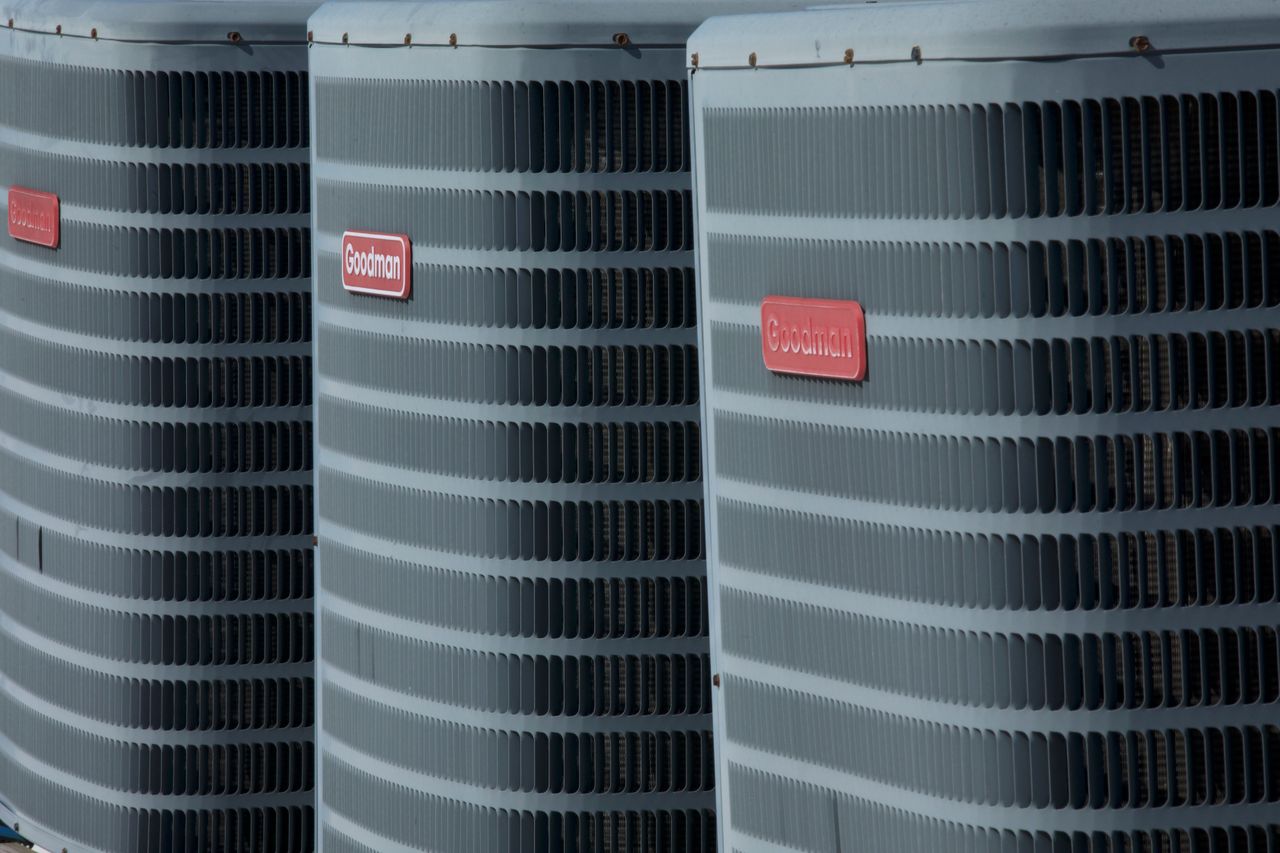
It's also worth checking the outdoor air conditioner unit before the cooling season. Clear away leaves and other debris, and make sure plants haven't grown too close to it. Inside, check that condensate drains are clear so water can leave the system properly.
For plumbing, keep an eye out for dripping taps, slow drains, and unusual changes in water pressure. If you have a tank-style water heater, follow the manufacturer's maintenance recommendations. Different models have different service requirements.
And pay attention to changes. A room that suddenly takes longer to warm up, a new rattling sound, or an unexplained increase in energy use can all be reasons to have the system checked.
A Comfortable Home Starts With Knowing What's Going On
If one room is always too hot or too cold, replacing the thermostat may not solve the problem. The cause could be as simple as a blocked vent or as involved as leaking ductwork, poor insulation, or equipment that isn't suited to the house.
Start with the basics and take note of what changes from room to room and season to season. Once you know where the problem is coming from, it's much easier to decide what needs fixing and what can stay as it is.