Updated on: November 9, 2026
Originally published on: November 9, 2026
Backyard fire features can turn an ordinary patio into a cozy spot for family time, casual get-togethers, and quiet evenings outside. There’s something about a flickering flame that makes everyone want to pull up a chair and stay awhile.
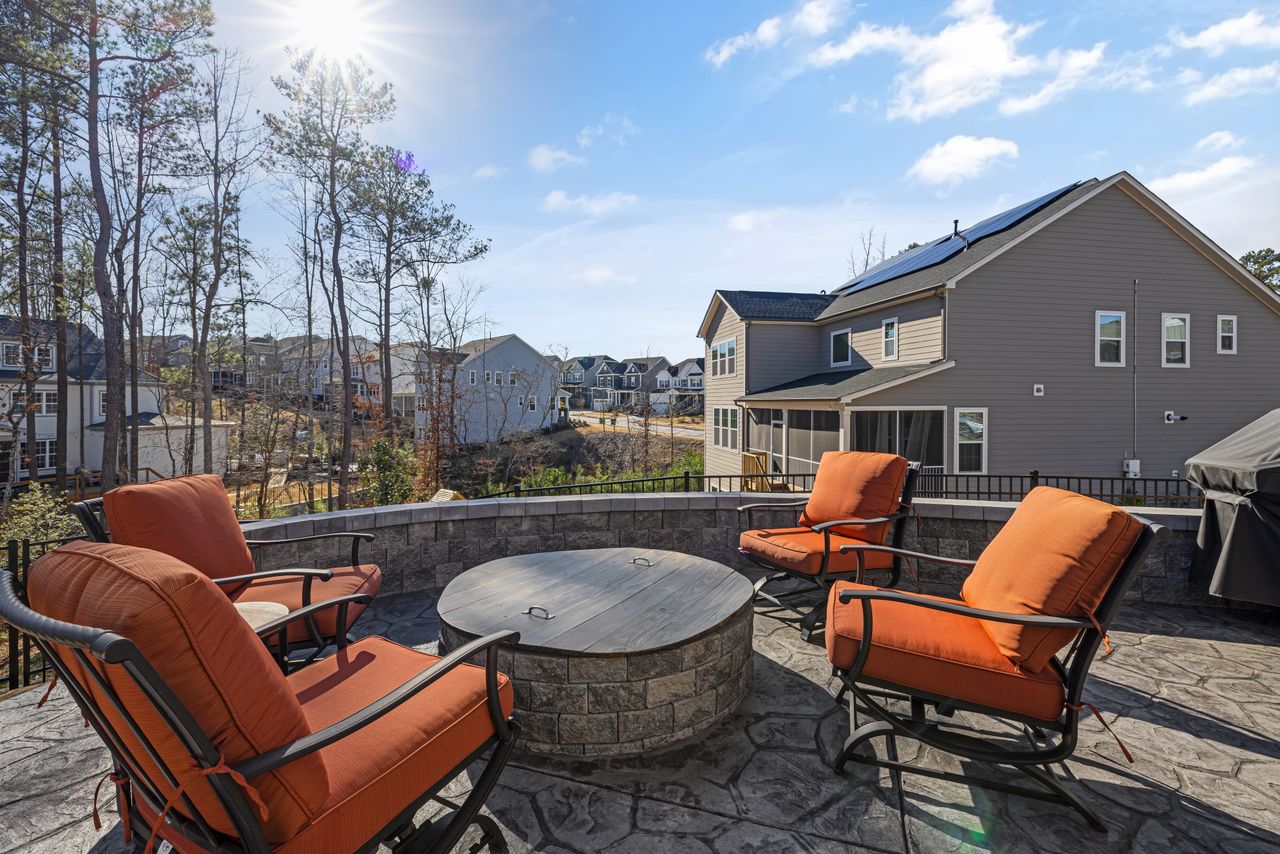
Whether you have a spacious yard or a small patio, choosing the right fire feature, comfortable seating, and warm lighting can help you create an outdoor space you’ll love spending time in.
Whether you've got a sprawling half-acre or a modest concrete patio, you can create a cozy and inviting backyard with outdoor fire features by making a handful of deliberate choices about what you install, where it sits, and how you build the space around it.
This guide walks through the decisions that actually matter - picking the right type of fire feature, arranging seating, and managing safety- so you end up with a backyard that gets used, not just admired from the kitchen window.
Choosing the Right Fire Feature for Your Backyard
The fire feature you choose sets the entire tone for your outdoor space, so it's worth slowing down before you buy anything. Options run the full range, from freestanding propane units you can drag around the patio to permanent built-in structures that anchor the whole yard. When comparing options from Majestic Fountains, consider how a fire table or traditional bowl-style pit would fit your backyard.
Your available square footage, your preferred fuel type, and how much construction you're willing to commit to will narrow the field pretty fast. Smaller patios tend to work best with a fire table or a compact bowl pit, something that won't eat up the clearance you need for seating. A larger yard, though, can carry a built-in fireplace or a generous fire pit that becomes the undeniable centerpiece of the space.
Think about how many people you typically have over; a fire feature that seats four feels intimate, while one that fits eight becomes a genuine gathering hub. Budget matters too, but here's the thing: a cheaper unit dropped in the wrong spot will get ignored, while a well-placed mid-range piece gets used every single weekend.
Fire Pits vs. Fire Tables
Fire pits and fire tables solve slightly different problems, and understanding that distinction saves you from a purchase you'll regret. A traditional fire pit - usually a round or square basin on legs or a pedestal - produces an open, 360-degree flame that people naturally circle around. Strong visual drama, a lot of heat. But it doesn't double as a surface, which means your guests need a separate side table for drinks and plates.
Fire tables address that gap directly; the burner sits recessed into a flat surround at dining or cocktail height, so the flame becomes a centerpiece while the table stays functional. Propane-fueled fire tables are especially popular on patios where wood smoke or ash would be a constant nuisance.
The choice really comes down to what you want people doing around the thing. If you want them clustered close, focused on the fire and each other, a traditional pit works beautifully. For dinner conversation and casual drinks over a longer evening, a fire table fits the scene better.
Built-In Fireplaces and Fire Bowls
Built-in outdoor fireplaces and decorative fire bowls sit at opposite ends of the permanence spectrum, and honestly, both have genuine appeal.
An outdoor fireplace - typically constructed from stone, brick, or stucco - functions as a full architectural feature. It backs seating against a solid visual anchor, reflects heat forward rather than scattering it in all directions, and adds real property value. The catch is cost and commitment: installation runs several thousand dollars in most markets, and you're locked into that location for good.
Fire bowls are the opposite story. They're portable, relatively affordable, and available in materials ranging from cast iron to ceramic to Corten steel; you can move them with the seasons, tuck them away in winter, and swap them out without any regret.
For homeowners who want warmth and atmosphere without a construction project, a well-chosen fire bowl on a gravel pad or paver surface delivers almost everything a built-in does, at a fraction of the commitment.
Designing the Space Around Your Fire Feature
The fire feature itself is only part of what makes a backyard feel genuinely cozy. The furniture, the light levels, the ground surface, and even the nearby plants shape how the space reads at 8 p.m. on a cool October night.
A beautiful fire pit surrounded by flimsy chairs and bare concrete reads as an afterthought; that same pit surrounded by deep-cushioned seating, warm string lights overhead, and a few potted grasses reads as a destination.
Design the zone around your fire feature with the same intention you'd bring to an indoor living room. Start from the fire outward, figure out the clearance you need for safety (typically three feet of open space on all sides for a freestanding pit), then build your seating arrangement within that perimeter, and layer in lighting and greenery last. Every element should serve one goal: making people want to stay longer than they planned.
Seating Arrangements That Actually Pull People In
Seating shape matters more than most people expect. A circular or semi-circular arrangement around a fire pit keeps everyone facing each other and facing the flame, which is exactly what makes fireside conversation feel so easy and unhurried. Straight rows of chairs facing one direction break that flow immediately; someone always ends up partially turned away.
For a fire pit, four to six chairs or a pair of curved loveseats in a C-shape or full circle works well. For a fire table, standard patio dining chairs tucked in on all four sides mirror how people naturally settle around any table.
Cushion depth and seat height affect how long guests actually stay. Low, deep chairs encourage lingering; upright dining chairs signal shorter visits. Weather-resistant cushions in earth tones - charcoal, terracotta, sage, warm cream - hold up to outdoor conditions and complement the warm palette a fire creates naturally. And don't underestimate a side table at every seat. Nobody should have to balance a drink on their knee.
Lighting, Landscaping, and Finishing Details
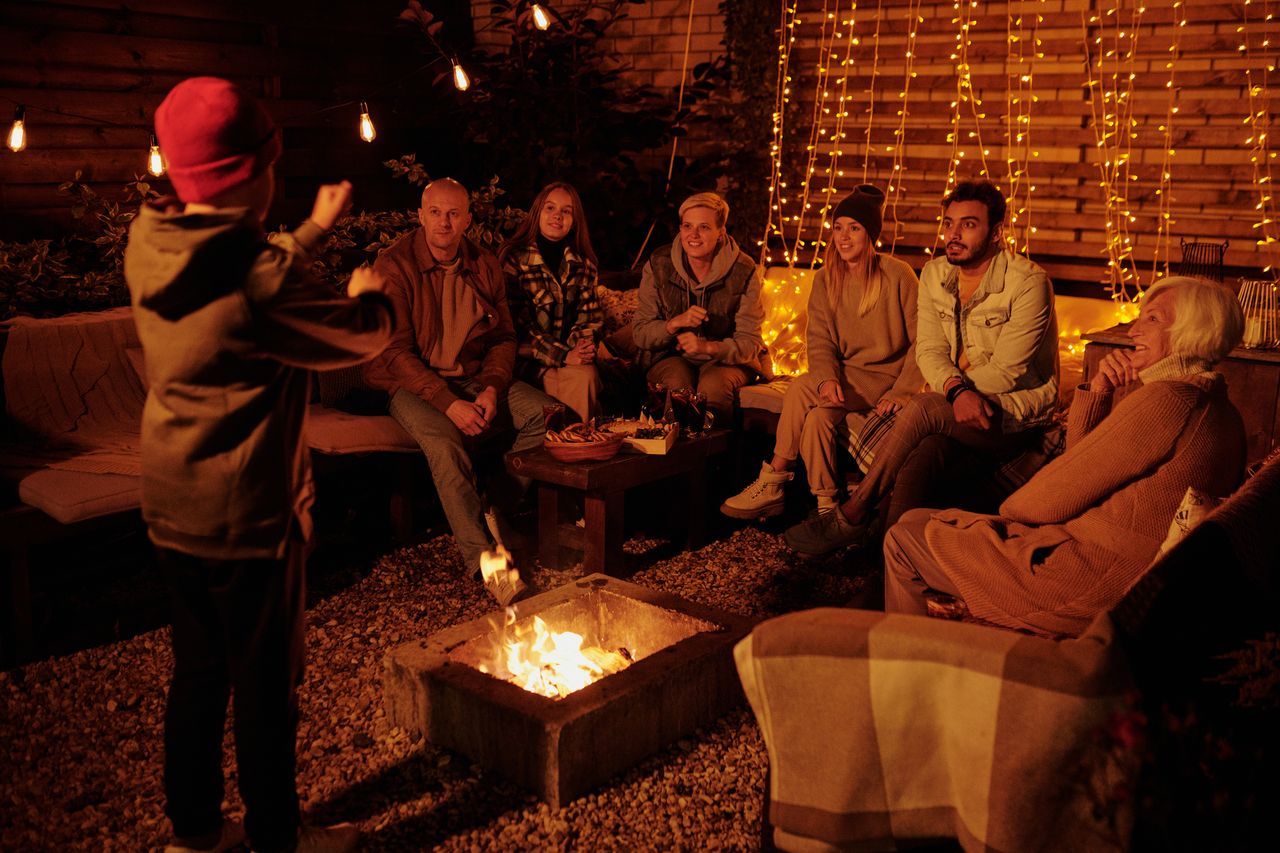
Ambient lighting is what separates a backyard that photographs well from one that actually feels cozy to sit in after dark. String lights strung between posts or across a pergola create a warm overhead effect, the outdoor space starts to feel enclosed and comfortable without feeling cramped.
Solar-path lighting along a walkway or around a garden bed adds a subtle glow at ground level. So avoid bright floodlights near the fire zone; they kill the whole atmosphere in an instant. For planting, ornamental grasses, compact shrubs, or container plants add texture without crowding the space. River rock, flagstone pavers, or decomposed granite around the fire area define the zone visually and keep the surface easy to maintain.
A simple outdoor rug rated for weather exposure ties the seating together the same way an interior rug anchors a living room. Small details - a basket of blankets nearby, a few lanterns on a side table - communicate that the space was designed for people, not just assembled and left to figure itself out.
Conclusion
Creating a cozy and inviting backyard with outdoor fire features doesn't require a major renovation or an outsized budget. It requires choosing a fire feature that genuinely fits your space and lifestyle, then building the zone around it with real intention - the right seating, the right light, the right surfaces underfoot.
Start with one good fire feature and let the rest of the design grow outward from there. And if you get it right, that fire zone becomes the corner of your yard your family actually gravitates toward, season after season - which is exactly what makes a backyard worth having in the first place.