Updated on: November 9, 2026
Originally published on: November 9, 2026
It’s never summertime sadness if you have a pool in your backyard. Then, it is all about splashy pool parties, lounging by the deck to get your tan on, and just having extremely relaxing afternoons with the family. But when temperatures drop, falling for common winter pool care myths can lead to expensive problems.
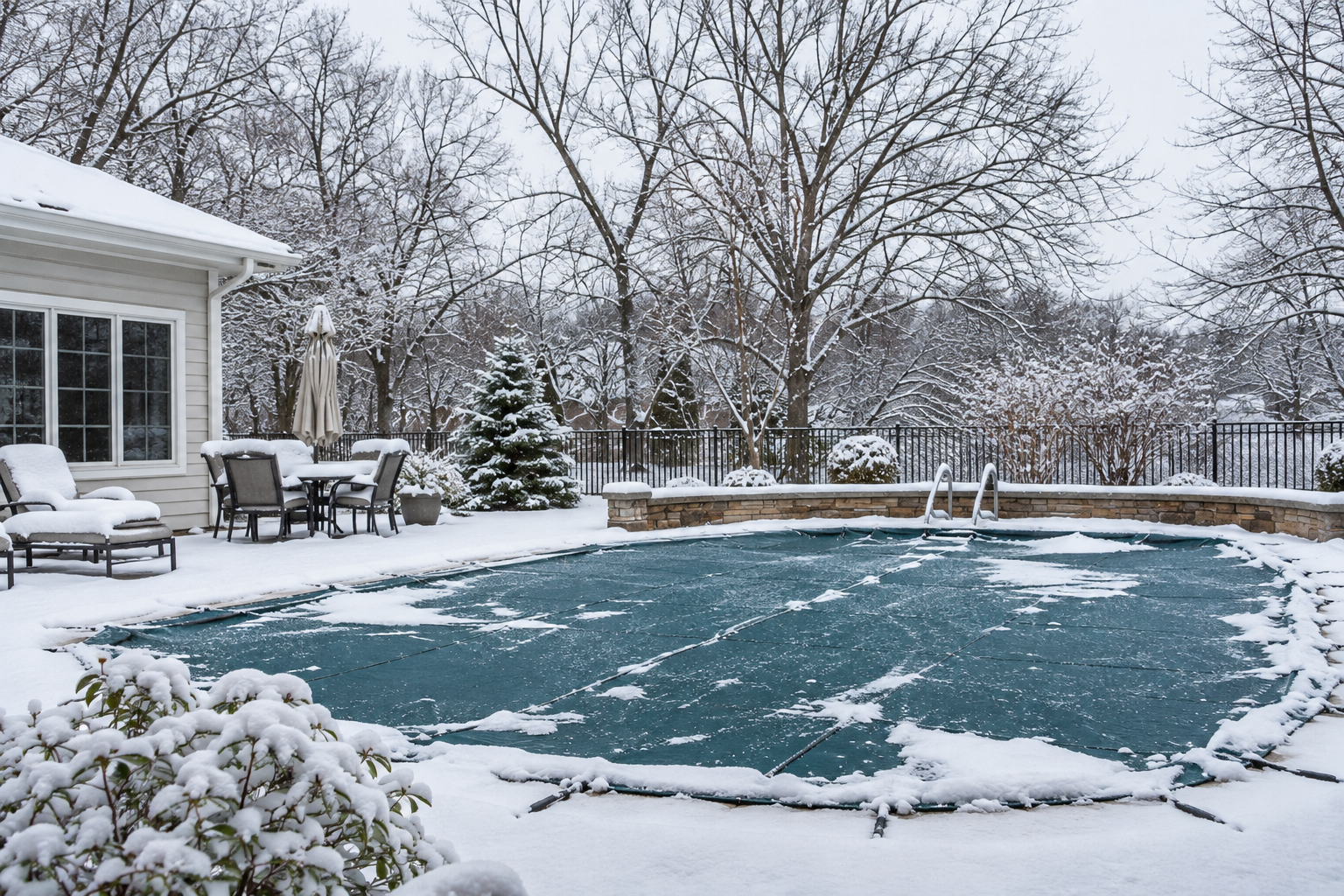
But unfortunately, summer gives way to autumn and then winter. This is when leaves fall, and cold winds arrive. Most pool owners put away their swimming goggles when the weather turns chilly, and along with it, they start to ignore the backyard pool until warmer days return.
Are you guilty of the same?
If so, you are basically a victim of winter pool care myths. You are among those homeowners who think cold weather naturally keeps the water clean or that just covering the pool with a heavy cover solves every seasonal problem. We’ve got news for you! Ignoring your swimming pool during cold months is a very expensive mistake, resulting in algae growth, hidden damage, stained walls, and even cracked pipes.
So, this winter, let’s not let the pool system quietly ruin itself while you stay warm indoors. Read on to stop believing some widespread winter pool care myths so you can save thousands of dollars in spring repairs.
Myth 1: Cold Weather Kills All Pool Algae and Bacteria
Many swimming pool owners think that freezing temperatures operate like an automatic fridge that destroys all the organisms. Since the outside temperature is freezing, everyone assumes that micro-organisms cannot live in the water.
The Truth?
While cold water slows down algae growth, it does not stop it completely. Sunlight still passes through dark pool covers,and organic debris like falling leaves and blowing dirt provides plenty of food for algae spores.
If you stop checking your water balance in late autumn, green algae will slowly spread underneath your winter cover. By the time spring arrives, your clear backyard retreat turns into a dark green swamp. Cleaning a heavy algae bloom requires expensive chemical treatment kits, heavy wall scrubbing, and days of hard work before anyone can swim again.
Regularly testing your pool water helps prevent problems before they start. Maintaining proper chlorine and pH levels is an important part of keeping pool water clean, even when swimming season is over.
Myth 2: A Winter Pool Cover Means Zero Maintenance Work
Another common belief is that securing a heavy winter safety cover seals your pool completely from nature until May. Many homeowners install their cover in late autumn and never look at it again until spring.
The Truth?
Winter storms, winds, and snow keep depositing leaves, branches, and dust in your yard. Dust particles continue to enter via the edges of the covers, or even through the pores of mesh covers.
Furthermore, wet leaves piling up on top of your cover create a heavy, soggy layer. As that organic matter decays, foul water drips down into your clean pool water, feeding bacteria and staining your vinyl liner.
Using a simple cover pump to clear standing rainwater keeps your cover light, clean, and intact throughout the winter season.
Myth 3: You Should Turn Off Your Pool Pump All Winter Long
Since nobody swims during cold months, turning on your filtration pump feels like a waste of electricity. Many homeowners shut off their pool pump entirely from November through March to save on energy bills.
The Truth?
Stagnant water is a pool's worst enemy. When water stops moving, dirt settles to the bottom, minerals stain pool walls,and water chemistry goes completely out of balance.
Moreover, sitting water freezes much faster than moving water. If temperatures drop below freezing while your pump is completely off, trapped water inside your pipes expands rapidly. This ice expansion cracks expensive PVC pipes, breaks intake valves, and destroys your pump filter housing.
Proper winter pump maintenance also helps protect your equipment from freezing temperatures. Some modern pool pumps include automatic freeze protection that activates when temperatures drop, helping reduce the risk of frozen pipes.
Myth 4: Automatic Pool Cleaners Are Only Useful in the Summer
Some homeowners believe smart cleaning tools are only designed for clearing summer sand, bug debris, and grass clippings. They store away all automatic maintenance equipment as soon as autumn turns cool.
The Truth?
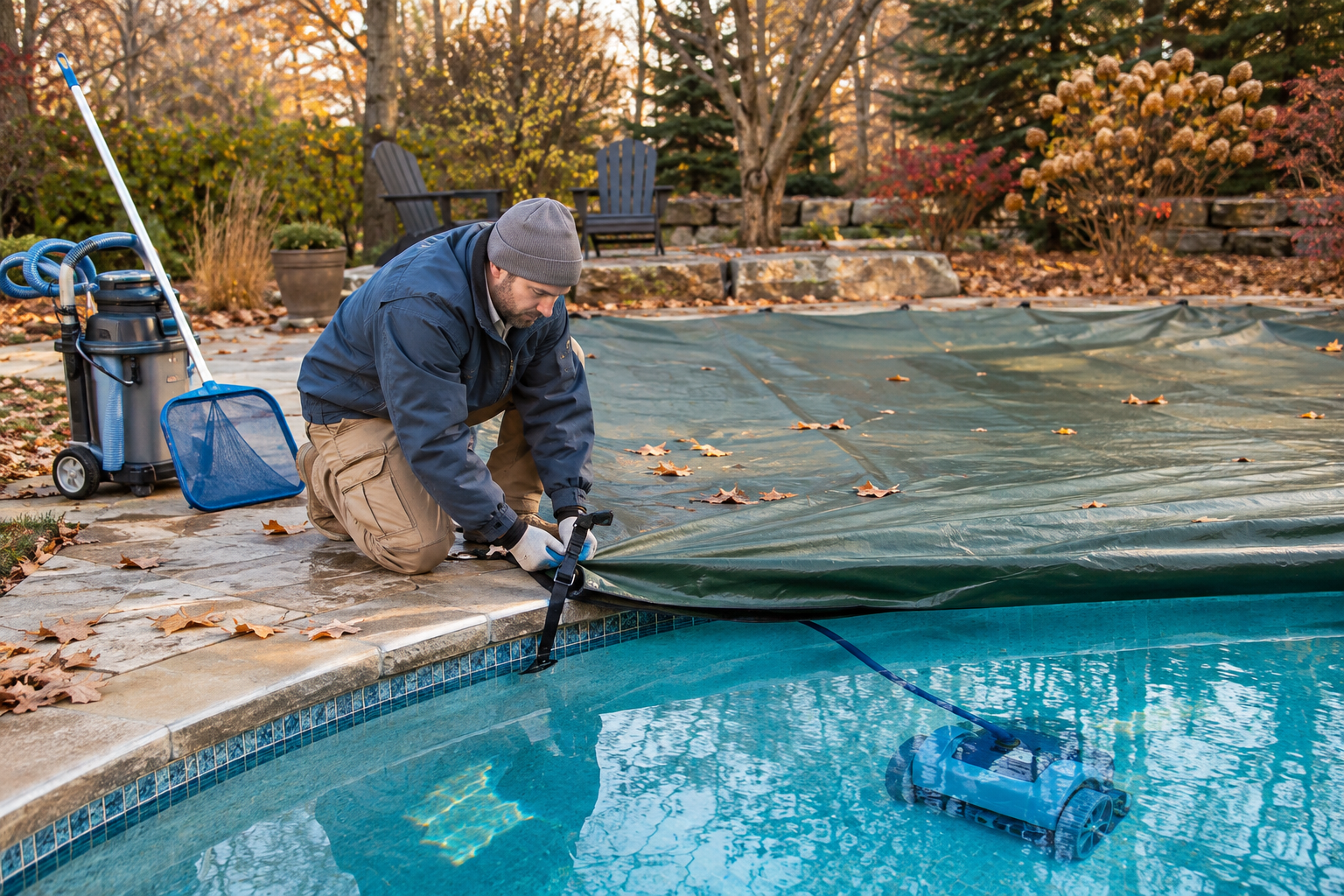
Winter is actually the season when heavy organic debris collects on pool floors. Falling autumn leaves, blowing garden dirt, and settling acorns sink straight to the bottom of the pool. If left sitting on plaster or vinyl surfaces for months, decomposing leaves cause dark tannic acid stains that require acid washing to fix.
Keeping your pool floor clean throughout late autumn and early winter prevents tough stains and protects your water clarity. Modern homeowners who want clear water without shivering outside rely on advanced equipment that can completely automate stressful pool upkeep chores during chilly seasonal shifts.
Using a smart robotic pool cleaner captures sunken leaves automatically before they stain your pool liner, saving you from backbreaking manual scrubbing in freezing winter weather.
Myth 5: Water Levels Do Not Matter During the Off-Season
A final widespread myth is that pool water levels do not matter during the winter months. Some owners let water levels drop very low, while others let rainwater overfill the pool basin completely.
The Truth?
Both high and low water levels cause major structural damage during freezing winter weather.
If water levels drop too low, heavy winter covers pull down on pool walls, causing metal frames to bend or vinyl liners to shrink and tear. On the other hand, if rainwater fills your pool to the very top, expanding surface ice can crack your decorative wall tiles and break skimmer boxes. Keeping your water level three to four inches below the main skimmer line protects your pool structure and equipment all winter long.
Protect Your Pool Investment All Year Long
Taking care of your swimming pool does not take a lot of time, but ignoring it through the winter months will cost you dearly.
By busting these common winter myths and keeping up with simple monthly checks, you protect your pool equipment,preserve water clarity, and avoid emergency repair bills. Taking small steps during cold winter months ensures your backyard pool stays clean, healthy, and ready for a fun, stress-free opening day when warm spring sunshine returns.