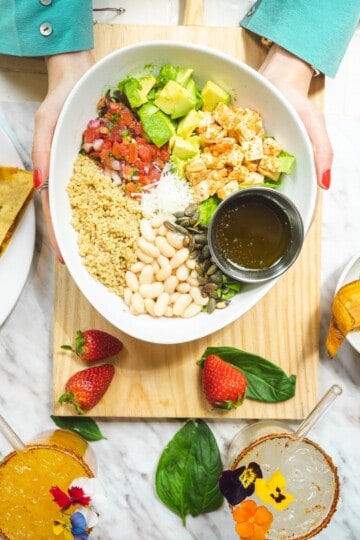
Updated on: November 11, 2026
Originally published on: November 11, 2026
If “What’s for dinner?” always seems to come up right when you’re busiest, a little family meal planning can make weeknights easier. Start with dinners your family already loves, save the quickest ones for nights when everyone’s running in different directions, and check what’s in the pantry before you shop.
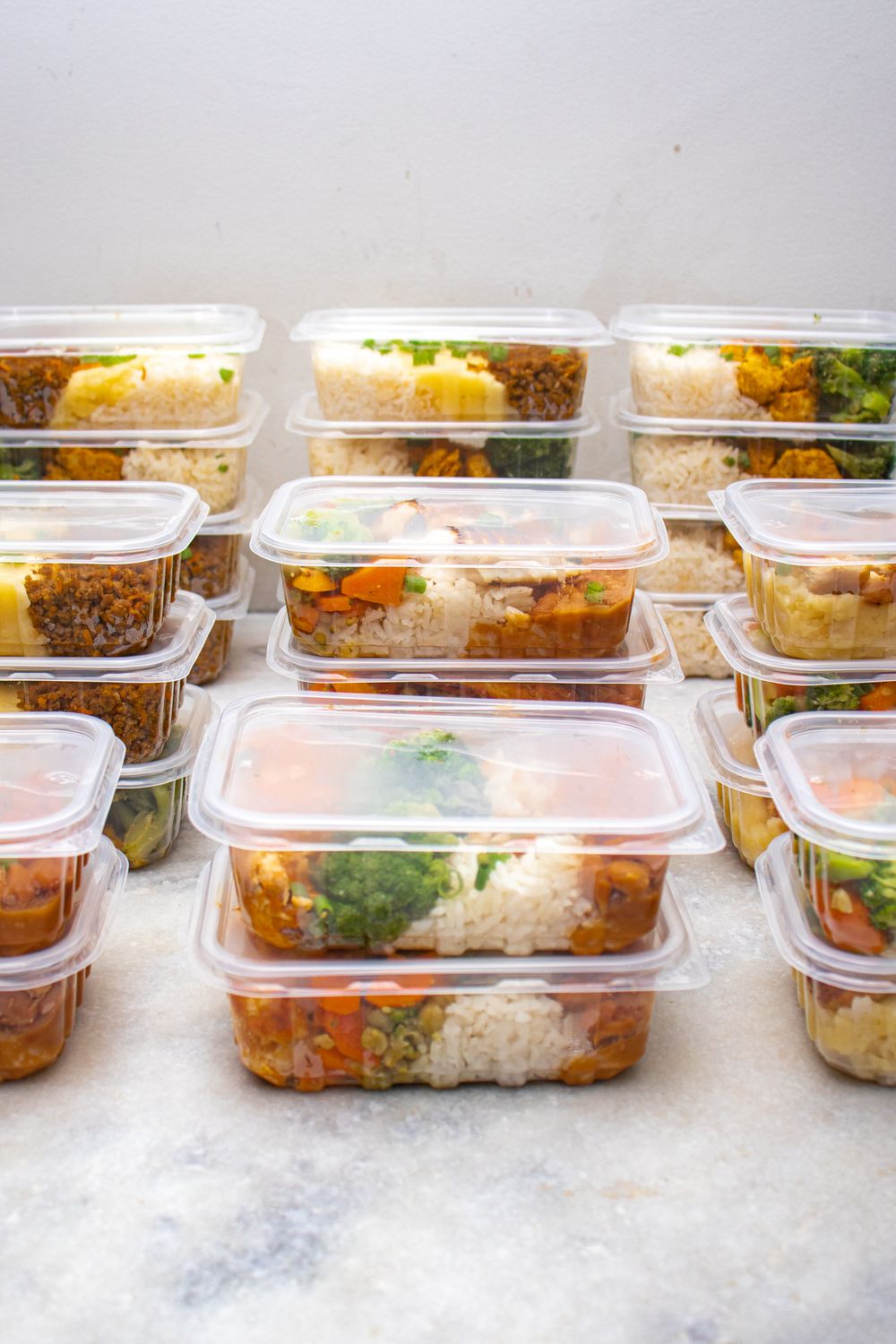
Start by choosing five to seven familiar meals, checking ingredients you already have, and preparing a shopping list. Include quick dinners for busy evenings and flexible options for unexpected changes.
The goal isn't to prepare elaborate dishes every day. It's to build an easy routine that helps your family enjoy satisfying meals without spending unnecessary time or money.
How to Get Started With Family Meal Planning
Planning dinners becomes easier when you focus on what your household actually needs rather than following a complicated schedule.
1. Start Your Family Meal Planning With a Weekly Schedule
Look at your family's commitments before choosing meals. School activities, work schedules, and evening appointments can influence how much time you have available to cook.
Plan 15–30-minute dinners for busy weekdays and save recipes requiring more preparation for quieter evenings.
You can also assign simple themes, such as pasta Mondays or taco Tuesdays, to make choosing recipes quicker.
2. Choose Meals Everyone Can Enjoy
Ask family members to suggest their favorite dishes and create a list of reliable options.
Include familiar meals alongside occasional new recipes to introduce variety without making dinner unpredictable.
Consider practical choices such as:
- Chicken and vegetable rice bowls
- Pasta with homemade tomato sauce
- Black bean and cheese tacos
- Baked fish with roasted potatoes
- Vegetable soup with grilled sandwiches
- Homemade pizza with customizable toppings
Keeping these options in rotation makes weekly decisions easier while accommodating different preferences.
How to Build a Weekly Family Meal Plan
A weekly family meal plan works best when it includes variety, manageable preparation times, and ingredients that can be used in multiple dishes.
3. Create a Simple Seven-Day Dinner Menu
Start with a realistic schedule rather than planning complicated meals for every evening.
Here's an example of an easy weekly dinner rotation:
| Day | Family Dinner | Prep and Cooking Time |
| Monday | Chicken stir-fry with rice | 30 minutes |
| Tuesday | Bean and cheese tacos | 20 minutes |
| Wednesday | Baked chicken with roasted vegetables | 40 minutes |
| Thursday | Tomato and spinach pasta | 25 minutes |
| Friday | Homemade vegetable pizza | 30 minutes |
| Saturday | Turkey or lentil chili | 40 minutes |
| Sunday | Vegetable soup and grilled cheese | 30 minutes |
Cooking times are approximate and depend on preparation and recipe quantities.
Use this schedule as a starting point and swap dishes based on your household's needs.
When exploring new family dinner meal ideas, you can browse recipes on sites like EverYum to find inspiration for upcoming meals.
4. Build Your Grocery List Around Shared Ingredients
Before shopping, check your refrigerator, freezer, and pantry.
Look for ingredients you can use across several recipes. For example, bell peppers work in tacos, pasta, and stir-fries, while rice pairs with chicken, beans, or vegetables.
Organize your shopping list into categories such as produce, proteins, grains, and dairy.
This approach helps reduce forgotten purchases, simplifies shopping, and makes better use of ingredients already available at home.
Smart Meal Planning Tips for Busy Families
Successful meal planning for families doesn't require spending hours in the kitchen. Small preparation habits can make weeknight cooking more efficient.
5. Prepare Ingredients Ahead of Time
Choose one convenient day to handle basic preparation tasks.
Wash vegetables, chop onions, portion ingredients, and prepare sauces that can be safely stored.
You can also cook a batch of rice or prepare proteins ahead of time, provided they're cooled promptly and stored correctly.
Label containers with preparation dates, refrigerate perishables promptly, and freeze ingredients you won't use within a safe storage period.
Even 30 minutes of advance preparation can make several dinners easier to assemble.
6. Reduce Costs Without Sacrificing Variety
Affordable dinners often begin with versatile ingredients rather than expensive specialty products.
Beans, lentils, eggs, potatoes, frozen vegetables, and rice can form the foundation of many satisfying dishes.
To make your grocery budget go further:
- Compare prices per unit when shopping.
- Choose seasonal produce when affordable.
- Plan at least one vegetarian dinner.
- Use frozen vegetables to reduce spoilage.
- Buy larger quantities only when they can be used or stored safely.
- Turn suitable leftovers into lunches or different dinners.
For example, roasted chicken can become a filling for wraps, while extra vegetables can be added to soup.
A little flexibility helps stretch ingredients across multiple meals.
Easy and Affordable Family Dinner Ideas
A dependable dinner routine combines convenience, variety, and meals that suit different appetites.
7. Keep Quick Dinner Options Ready
Unexpected delays happen, even with a well-organized schedule.
Keep ingredients available for a few backup meals requiring minimal preparation.
Good options include scrambled eggs with toast, vegetable quesadillas, pasta with frozen peas, or rice bowls with canned beans.
Quick family dinner ideas featuring scrambled eggs with toast, vegetable quesadillas, pasta with peas, and rice bowls with black beans and fresh vegetables.
These simple dinners help you avoid unnecessary last-minute grocery trips.
Make Meals Flexible for Different Preferences
Serving customizable meals can reduce disagreements at the table.
Try arranging taco fillings, rice bowl toppings, or pizza ingredients separately so family members can choose what they enjoy.
You can also offer a familiar side dish alongside something new.
Include a variety of vegetables, protein foods, and grains throughout the week without expecting every dinner to be perfect.
The most useful meal routine is one your household can comfortably maintain.
Conclusion
Creating a reliable dinner routine doesn't require elaborate recipes or a strict schedule. Begin with favorite meals, organize groceries around shared ingredients, and prepare a few essentials before the busiest days.
Over time, these habits can simplify cooking, reduce unnecessary purchases, and create more opportunities to enjoy meals together.
The secret to successful family meal planning is consistency without rigidity. Start small, make adjustments each week, and focus on practical meals that fit your family's everyday life.

Frequently Asked Questions
1. How do you create a weekly family meal plan?
Start by reviewing your household's schedule and choosing five to seven dinners that match your available cooking time. Check your pantry before shopping and select recipes that share ingredients. Create a grocery list organized by food category, then prepare a few ingredients in advance. Leave one evening flexible for leftovers or unexpected plans. Repeating favorite recipes can make the process even easier over time.
2. What are the best meal planning tips for busy families?
Choose familiar recipes that require minimal preparation, keep versatile ingredients available, and plan quicker dinners for your busiest evenings. Preparing vegetables, sauces, or proteins ahead of time can simplify cooking. Involve family members in selecting meals so everyone has something to look forward to. Keep a backup dinner available and avoid making your schedule so strict that an unexpected change creates unnecessary stress.
3. How can you plan easy and affordable family dinners for the week?
Start with budget-friendly staples such as beans, lentils, rice, potatoes, eggs, and seasonal vegetables. Select meals that reuse ingredients without repeating the same dish every day. Compare grocery prices, include vegetarian options, and make use of leftovers when they're safely stored. Dinners such as vegetable pasta, bean tacos, homemade soup, and chicken rice bowls offer affordable ways to feed a family with variety.
4. How far in advance should you plan family meals?
Planning approximately one week ahead is practical for many households because it aligns with common grocery shopping routines. You can choose dinners over the weekend and prepare ingredients for the first few days. For highly unpredictable schedules, planning three or four dinners at a time may work better. The ideal timeframe depends on your family's commitments, food storage space, and how frequently you prefer to shop.