
This post may contain affiliate links. I only recommend products I use and love. Read the full disclosure here
Updated on: March 19, 2026
Originally published on: March 19, 2026
Caring for a dog doesn’t always require expensive tools or frequent trips to the groomer, especially when you know a few easy DIY dog care hacks that actually make a difference. In fact, some of the most effective ways to keep your dog healthy and happy can be done right at home with simple, practical approaches.
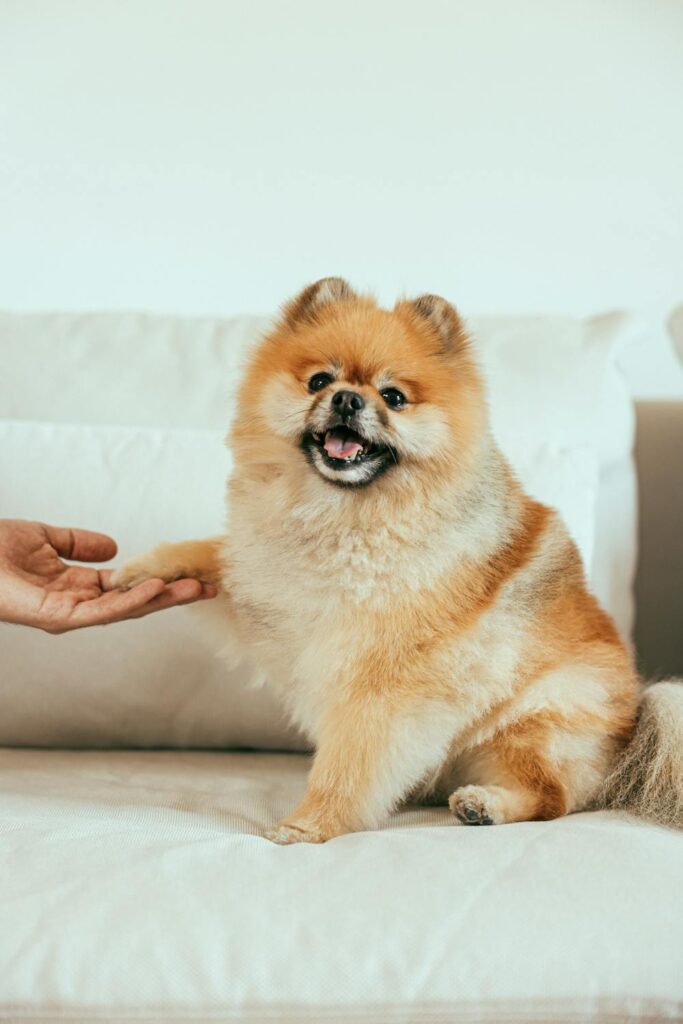
If you’re a new pet owner or someone looking to simplify your routine, a few thoughtful adjustments can make daily care easier and more enjoyable for both you and your dog. This guide covers a range of easy DIY dog care hacks that focus on grooming, comfort, mobility, and overall well-being. Each tip is designed to be realistic, cost-effective, and easy to incorporate into your routine.
Create a Simple At-Home Grooming Routine
Regular grooming is one of the easiest ways to support your dog’s health. It helps maintain a clean coat, reduces shedding, and allows you to spot any skin issues early.
Start with brushing. Even short-haired breeds benefit from consistent brushing, as it removes loose fur and distributes natural oils. Instead of investing in multiple tools, choose a brush suited to your dog’s coat type and stick to a weekly schedule.
Bathing can also be simplified. A gentle, pet-safe shampoo and lukewarm water are all you need. To make the process smoother, place a non-slip mat in the tub or shower to help your dog feel secure. Drying can be done with a regular towel, and in warmer climates, air drying works well too.
For nail care, trimming a little at a time can reduce stress for both you and your dog. If your dog is nervous, try trimming one or two nails per session instead of doing them all at once.
Use Household Items for Comfort and Cleanliness
You don’t need specialized products to keep your dog comfortable. Many everyday household items can serve multiple purposes.
Old towels and blankets can be repurposed into cozy bedding. This is especially helpful for dogs that like to nest or rearrange their sleeping area. Washing these regularly helps maintain cleanliness without extra cost.
For quick cleanups, keep a small station near your door. A container with wipes, a towel, and a brush can help you manage muddy paws before your dog tracks dirt through the house. This simple habit can save time and reduce the need for frequent deep cleaning.
You can also create a cooling spot during warmer months by placing a damp towel in a shaded area. Dogs naturally gravitate toward cooler surfaces, and this can help them stay comfortable without relying on specialized cooling mats.
Support Joint Health With Everyday Habits
As dogs age, joint care becomes increasingly important. However, proactive steps can be taken at any stage of life to support mobility and comfort.
One simple approach is managing your dog’s activity. Regular walks are important, but avoid sudden increases in intensity. Gradual changes help prevent strain on joints and muscles.
Your dog’s resting area also plays a role. A supportive sleeping surface can make a noticeable difference, especially for larger breeds or older dogs. Even layering a few folded blankets can provide extra cushioning.
Nutrition is another key factor. Some pet owners choose to incorporate supplements into their dog’s routine to support joint health. For example, products like glucosamine from Pup Labs are often included as part of a broader care plan focused on maintaining mobility and comfort over time. Introducing supplements should always be done thoughtfully and in line with your dog’s specific needs.
Consistency matters here. Small, steady habits tend to have a greater impact than occasional changes.
Make Mealtime More Engaging
Feeding time doesn’t have to be routine or repetitive. With a few small adjustments, you can turn meals into a more engaging experience for your dog.
One easy hack is using a slow feeder or creating your own version. Placing a clean object, such as a large ball or a safe divider, in your dog’s bowl can encourage slower eating. This helps with digestion and keeps your dog mentally stimulated.
You can also rotate feeding locations. Occasionally, feeding your dog in a different area of your home or yard adds variety and keeps them curious. For dogs that enjoy problem-solving, hiding small portions of food around a safe space can turn mealtime into a simple enrichment activity.
Homemade treats are another option. Basic ingredients like plain cooked chicken or certain vegetables can be used in moderation as rewards. Keeping treats simple and natural can help you stay in control of your dog’s overall diet.

Keep Your Dog Mentally Stimulated at Home
Mental stimulation is just as important as physical activity. Dogs that are mentally engaged tend to be more relaxed and less likely to develop unwanted behaviors.
Interactive play doesn’t require expensive toys. You can create a simple game by hiding treats under cups or inside rolled towels. These activities encourage problem-solving and keep your dog focused.
Training sessions are another effective way to engage your dog. Even practicing basic commands for a few minutes each day can reinforce good behavior and strengthen your bond. Short, consistent sessions are usually more effective than longer, less frequent ones.
Rotating toys can also make a difference. Instead of leaving all toys available, keep a few out and store the rest. Switching them every few days can make old toys feel new again, keeping your dog interested without additional cost.
Conclusion
Taking care of your dog doesn’t have to be complicated or expensive. With a few practical adjustments, you can create a routine that supports your dog’s health, comfort, and happiness using resources you already have at home.
Simple grooming habits, creative mealtime ideas, consistent daily routines, and other DIY hacks should fit seamlessly into your lifestyle. Over time, these small efforts add up, helping you build a stronger bond with your dog while meeting their everyday needs.