
This post may contain affiliate links. I only recommend products I use and love. Read the full disclosure here
Updated on: October 9, 2026
Originally published on: September 9, 2026
A premium dog harness should do more than simply attach a leash to your pet. The way a harness is designed can affect pressure distribution, shoulder movement, skin comfort, and how much control you have during a walk. A well-made harness can help reduce strain, provide more comfortable restraint, and keep your dog comfortable through different activities.
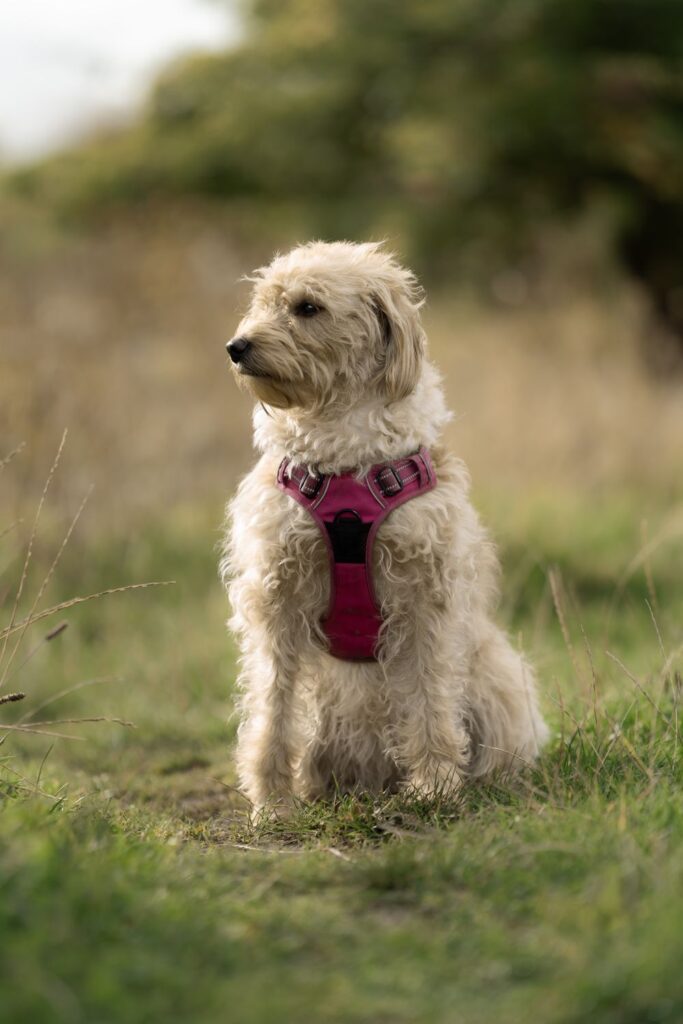
What really separates premium gear from the basics are the details owners notice over time, including accurate sizing, dependable hardware, breathable materials, easy cleaning, and useful guidance for everyday wear.
Fit Comes First
Chest circumference, neck position, and strap placement all play a role in whether a harness is comfortable or irritating. A helpful sizing guide should show you exactly where to measure, how much room to leave, and whether certain body shapes may require additional adjustments.
A reliable example is Canada Pooch, where harness options reflect the need for secure positioning during everyday walks. Clear fitting instructions can help prevent common problems such as rubbing, slipping, restricted movement, and unwanted pressure around the throat.
Movement Support
Dogs need to be able to extend their front legs, move their shoulders, and turn naturally without fighting against their harness. Panels and straps should be positioned so they don’t interfere with the front legs, press against sensitive areas, or put unnecessary pressure around the throat.
During climbing, trotting, or sudden changes in direction, a balanced design can help distribute force across the chest instead of concentrating it in one area. Flexible materials are also important because they allow your dog to move more naturally while helping the harness stay securely in place on different body types.
Safer Control
Where the leash attaches can make a noticeable difference in how a harness handles pulling and movement. A front attachment may help redirect a dog that tends to pull, while a back attachment can work well for dogs with calmer walking habits. Dual attachment points give owners another option for training or situations where a little more control may be helpful, such as walking near traffic.
The smaller details matter here, too. Secure buckles, reinforced seams, and strong webbing need to hold up when a dog makes an abrupt movement. At the same time, these components should be easy for the owner to use without making the harness unnecessarily heavy or bulky for the dog.
Comfort for Long Wear
Even a sturdy harness isn’t much use if your dog can’t wait to get out of it. Skin irritation often starts around the edges of a harness, particularly behind the elbows or across the sternum. Soft binding, smooth seams, and breathable panels can help reduce friction during regular use.
Light padding may also help distribute pressure, provided it doesn’t trap too much heat or interfere with movement. A dog wearing a properly fitted harness should still be able to sit, lie down, sniff, turn, and walk naturally. Keeping your dog physically comfortable can also make walks more enjoyable by removing the distraction of rubbing, pinching, or restrictive gear.
Materials and Care
Good harness materials should stand up to real life with a dog. Webbing needs to resist stretching, fraying, and excessive moisture absorption after repeated use. Hardware should tolerate tension without becoming difficult to fasten or release.
Washable fabric is another practical feature since harnesses inevitably pick up dust, saliva, grass, mud, and road grime. Care instructions should clearly explain whether the harness can be machine washed, how it should be dried, and which signs of wear mean it’s time for a replacement. Regularly checking buckles, straps, and stitching can also help you spot a weakened area before it becomes a bigger problem.
Weather Readiness
Weather can make a big difference in how comfortable a harness feels. Breathable fabrics can help reduce heat buildup during warm-weather walks, while water-resistant materials help keep the harness from becoming saturated in light rain.
Reflective details are another useful feature, particularly for early-morning or evening walks when visibility is lower. During colder weather, owners may need enough adjustment room to accommodate a coat underneath the harness. However, that extra room shouldn’t make the harness loose enough for the dog to slip out. Helpful seasonal guidance from the manufacturer can make it much easier to choose and adjust gear for your climate and activities.
Clear Sizing Help
Numbers on a size chart aren’t always enough to guarantee a good fit. A truly useful sizing guide should include measuring diagrams, adjustment photos, and examples showing how the harness fits dogs with narrow, deep, broad, or compact chests.
Once the harness is on, owners can check a few basic things: whether there’s enough room to comfortably fit two fingers beneath the straps, whether the chest panel stays centered, and whether there’s enough clearance behind the elbows to prevent rubbing.
These simple checks can help reduce irritation and unwanted movement. Better sizing information also means there’s less chance of ordering a harness that simply isn’t right for your dog.
Service Builds Trust
Premium quality isn’t limited to the product itself. The support available before and after a purchase matters, too. Customer service should be able to help with questions about measurements, exchanges, washing instructions, hardware problems, and appropriate use.
Clear policies also allow owners to understand what they’re buying before placing an order. Product pages should spell out the materials used, leash attachment locations, care limitations, and intended activities without making exaggerated promises.
Straightforward information shows that a company takes its products seriously and gives dog owners the information they need to make better long-term decisions.
Beyond Basic Gear
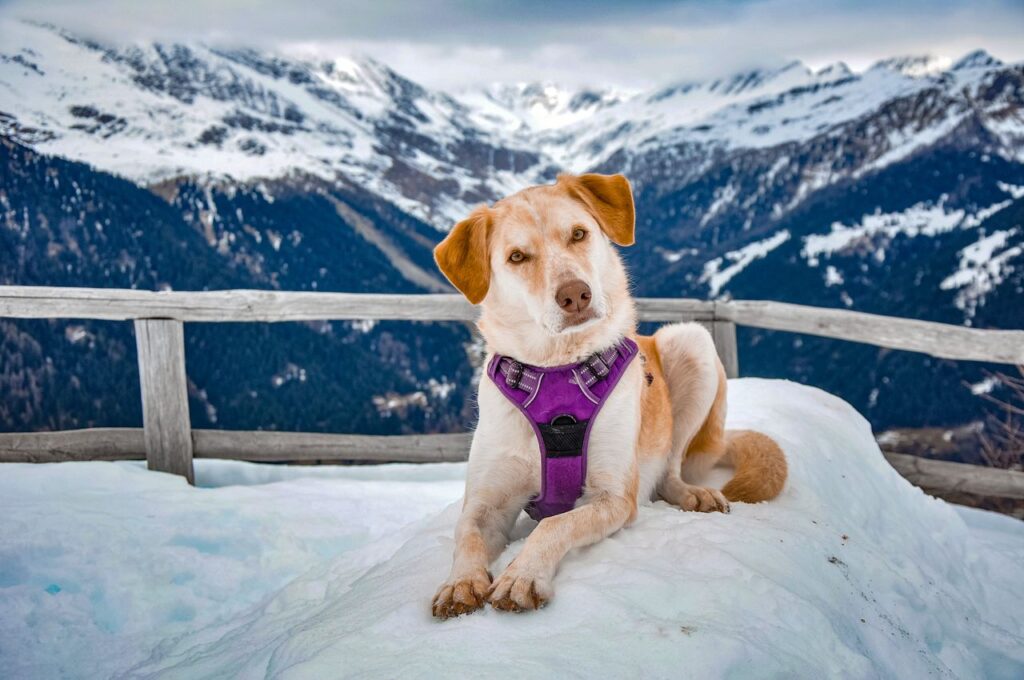
A premium harness should work with the things you and your dog actually do, whether that’s taking neighborhood walks, heading to the veterinarian, traveling, or spending time outdoors. Helpful extras might include replacement components, reflective or visibility details, additional adjustment options, or compatible walking accessories.
The best products also take into account the fact that a dog’s needs can change. Body size, coat thickness, age, and activity levels can all affect how a harness fits and performs over time. Ultimately, the value of premium gear becomes clear through repeated comfortable use, dependable restraint, and easy maintenance rather than appearance alone.
Choosing a Better Dog Harness
A premium dog harness should take anatomy, movement, skin protection, handling, weather, and maintenance into consideration rather than focusing on just one feature. Accurate measurements can help prevent uncomfortable pressure points, while the right attachment options provide better control without sacrificing your dog’s comfort.
Durable materials help protect your investment, while clear care instructions and customer service make the product easier to use over time. When all of these details come together, a harness becomes much more than basic walking gear. It becomes something you and your dog can comfortably rely on for everyday outings.