
This post may contain affiliate links. I only recommend products I use and love. Read the full disclosure here
Updated on: October 7, 2026
Originally published on: September 29, 2026
Effective communication in healthcare becomes especially important when someone in the family is sick or needs medical treatment. Understanding what comes next can sometimes feel overwhelming, with new medications, appointments, instructions, lifestyle changes, and unfamiliar medical terms to remember.
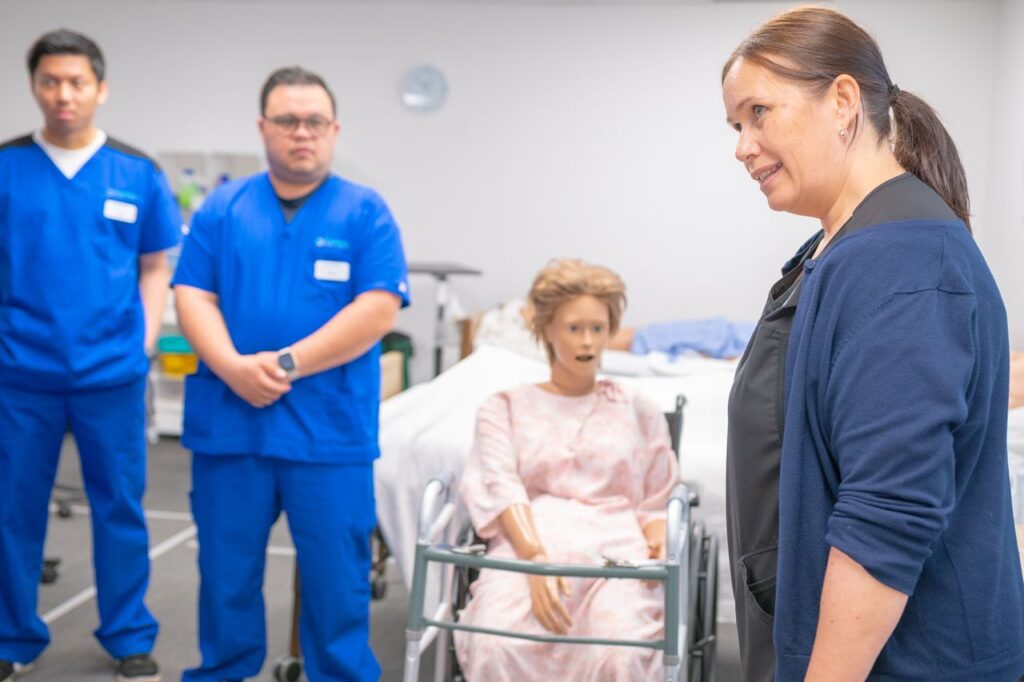
Good communication can make these situations easier. When patients and their families understand what is happening and what they need to do, they can feel more prepared and confident managing care at home.
Why Medical Information Can Feel Overwhelming
A diagnosis or new treatment plan can bring a lot of information at once. Even simple instructions can be difficult to remember when someone is worried, tired, or uncomfortable.
Medical professionals may use terms that are familiar to them but confusing to someone without a healthcare background. Families may also receive information from doctors, nurses, pharmacists, and other members of the care team.
Taking a few moments to write down important information can help. Families can keep a simple list of medications, appointments, questions, and instructions so everyone knows what needs to be done.
Asking Questions Can Make Care Easier
Patients and family members should feel comfortable asking questions when something is unclear. There is no need to feel embarrassed about asking a healthcare professional to explain something again.
Healthcare professionals who regularly educate patients are trained to make complex information easier to understand. Professionals such as a certified nurse educator have specialized preparation in nursing education, including approaches to teaching and communicating health information clearly.
Questions can include:
- What is this medication for?
- How and when should it be taken?
- What should we watch for?
- When should we contact the healthcare provider?
- What should happen at the next appointment?
Writing questions down before an appointment can also prevent important concerns from being forgotten.
Turning Medical Language Into Everyday Language
Healthcare information does not always need to be complicated. Asking a healthcare professional to explain something in simpler terms can make instructions much easier to remember.
Families can also repeat the instructions in their own words to make sure they understood them correctly. For example, instead of simply saying that a medication should be taken regularly, a family member might write down the exact schedule and keep it somewhere easy to see.
Simple notes, calendars, medication organizers, and written instructions can all help turn complicated information into manageable daily tasks.
Helping Older Family Members
Older relatives may need additional support when dealing with new health information. Hearing difficulties, poor eyesight, memory problems, or unfamiliar technology can make communication more challenging.
Family members can help by attending appointments when appropriate, taking notes, organizing paperwork, and making sure important instructions are easy to access.
Small adjustments can make a significant difference. Larger-print information, written reminders, and slower conversations may help an older family member feel more comfortable and involved.
Supporting Children and Teenagers
Children may also struggle to understand medical information, particularly when they are frightened or uncomfortable. Parents and caregivers can explain what is happening using language that matches the child’s age and understanding.
Rather than providing too much information at once, parents can focus on the immediate next step. A child may understand a simple explanation about what will happen during an appointment much better than a detailed description of the entire treatment process.
Keeping the conversation calm and allowing children to ask questions can also help reduce unnecessary worry.

Including Family Members in Care
Healthcare often involves more than one person. A spouse, parent, adult child, or another caregiver may help with appointments, meals, transportation, medications, or everyday routines.
When everyone understands their role, it becomes easier to keep track of important responsibilities. Families can create a shared calendar, keep important contact information together, and agree on who will handle specific tasks.
This organization can be especially helpful when someone is recovering at home and needs temporary assistance.
Using Reliable Health Information
The internet can provide useful health information, but not everything found online is accurate or appropriate for every person. Families should be careful when researching symptoms, treatments, medications, or health conditions.
Reliable health information should come from trustworthy sources such as healthcare providers, hospitals, government health organizations, and established medical organizations.
Online information should support conversations with healthcare professionals rather than replace personalized medical advice.
Making Healthcare a Family Conversation
Good communication can make healthcare feel less confusing and more manageable. When family members listen carefully, ask questions, keep information organized, and support one another, patients may feel more prepared to handle their care.
Whether it involves helping an older parent prepare for an appointment, supporting a child through a medical visit, or helping a spouse follow a new routine, clear communication can make everyday health challenges easier to manage.
Healthcare may sometimes involve unfamiliar terminology and complicated instructions, but families do not have to navigate that information alone. Asking questions, keeping good records, and working together can help turn confusing information into practical steps for everyday life.