
Updated on: November 5, 2026
Originally published on: November 5, 2026
Knowing how to protect furniture during a move can save you from broken belongings and expensive repairs. Whether you’re leaving Phoenix or planning a fresh start elsewhere, getting everything to your new home safely takes preparation. From your favorite sofa to the dining table passed down through your family, each piece needs the right protection for the journey.
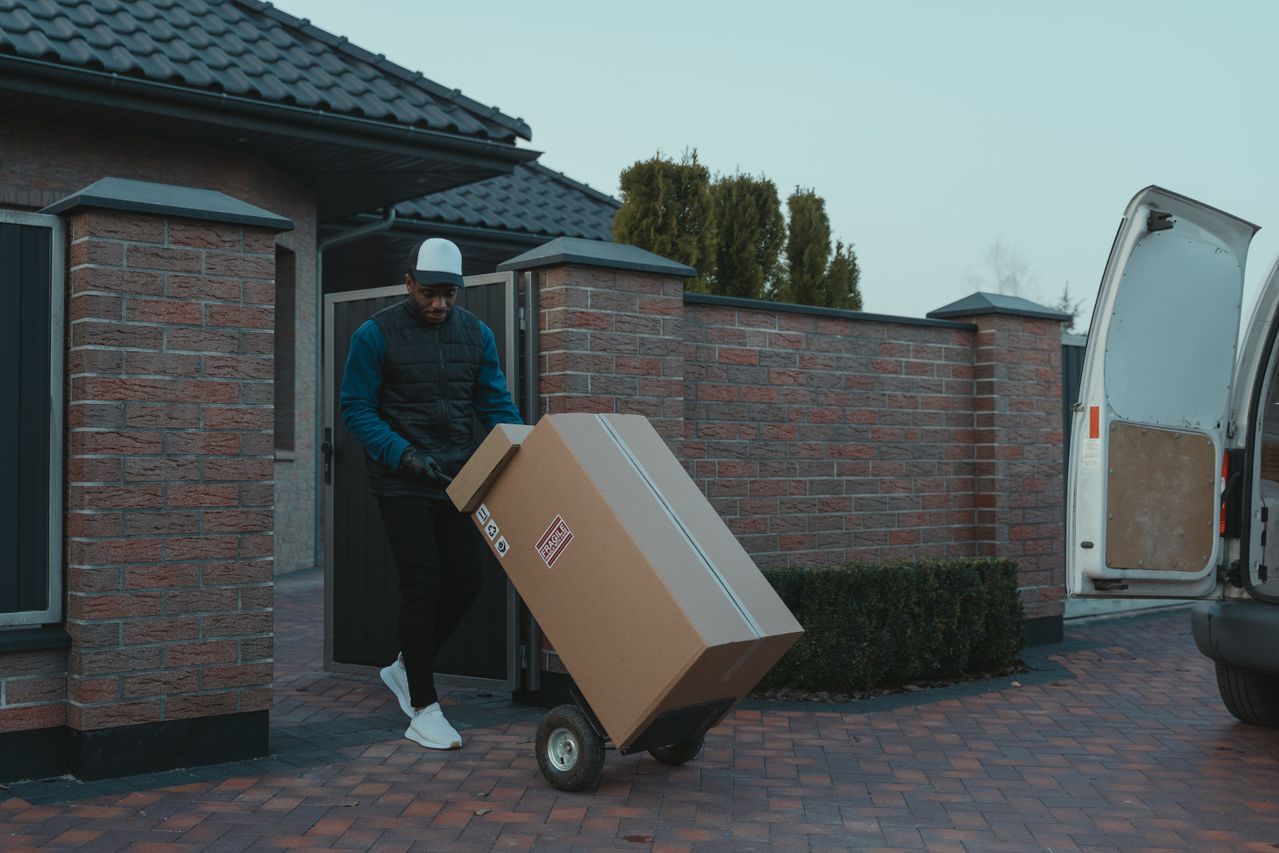
Heirloom tables, upholstered sofas, glass cabinets, framed art, and fragile kitchenware all react differently to handling, heat, and vibration. A thoughtful plan, the right materials, and steady attention to detail make the difference between unpacking with relief and unpacking with regret.
Planning a Safe Cross-Country Relocation
Every relocation that crosses state lines involves days on the road, several rounds of loading and unloading, and changing weather that tests even well-packed items. When the journey spans hundreds or thousands of miles, a household move becomes far more demanding, as furniture faces extra handling, shifting loads, and more chances for scratches, dents, and breakage.
Experienced relocation professionals plan routes, wrap every piece with care, and secure loads so nothing slides or presses against anything else during the trip. Get in touch with a local Phoenix long distance moving company that can handle every stage of your relocation with patience and care. With that support in place, you can focus on settling into your new home while your belongings stay protected from start to finish.
Take a Detailed Inventory Before Packing Begins
Before a single box is taped, walk through every room and record what you own. Write down each piece of furniture, its condition, and any existing marks or wear. Take photographs from several angles, especially of antiques, artwork, and electronics. This record helps you track items during unloading and gives you a reference point if something arrives damaged.
An inventory also helps you decide what deserves the trip. Relocation is an ideal time to sell, donate, or give away pieces that no longer suit your lifestyle. Fewer items mean less handling and more attention for the belongings that truly matter.
Keep your inventory, estimate, and moving company details together so they’re easy to find. Before confirming your booking, use the FMCSA’s registered mover search tool to check the company’s registration information and complaint history.
Choose Strong Packing Materials
The quality of your packing supplies directly affects how well your possessions survive the journey. Thin, reused boxes can collapse under weight or tear at the corners. Sturdy double-walled cartons, heavy-duty tape, and plenty of padding provide far better protection.
Gather a range of supplies before you begin:
- Sturdy cartons in small, medium, and large sizes
- Bubble wrap and packing paper for fragile items
- Furniture pads and thick blankets for wooden surfaces
- Stretch wrap to keep drawers and doors closed
- Corner guards for framed pictures and mirrors
Prepare Furniture the Right Way
Furniture often represents the largest investment in a household, and it is also the most likely to be scratched or dented. Start by removing anything that can detach, including table legs, bed frames, shelves, and glass tops. Place screws and small hardware in labeled bags and tape them securely to the piece they belong to.
Clean each item before wrapping it, since trapped dust and grit can scratch finishes over many hours of travel. Wrap wooden surfaces in furniture pads first, then secure the pads with stretch wrap. Avoid putting plastic directly against wood or leather, because it can trap moisture and leave marks.
Give Fragile Items Extra Attention
Glassware, ceramics, mirrors, and electronics need careful, individual wrapping. Wrap each dish or glass separately and stand plates on their edges rather than stacking them flat, since this spreads pressure more evenly.
Mirrors and framed art should be wrapped in bubble wrap, fitted with corner guards, and placed in flat cartons sized to fit them snugly. For televisions and computers, the original packaging is the safest option when it is still available. Photograph cable connections before unplugging anything so setup is quick at your new home.
Shield Belongings From Heat and Moisture
Changes in temperature and humidity during a cross-country trip can harm sensitive possessions. Wood can crack or warp, candles and vinyl records can soften, and photographs can curl or stick together. Pack these items with extra insulation and keep them away from the hottest parts of the truck when possible.
Keep liquids and cleaning products in sealed containers, and never pack them alongside fabrics, paper, or wooden furniture. Place moisture-absorbing packets in boxes that hold books, clothing, or important papers.
Label Every Box Clearly
Write the destination room and a short description of the contents on at least two sides of every box. Mark fragile cartons on every side so anyone carrying them knows to take extra care. Clear labels also let you place each box in the right room on arrival, which saves time and keeps unpacking organized.
Keep Valuables and Essentials With You
Some items should never go on the truck. Jewelry, cash, passports, medical records, financial papers, and irreplaceable family photographs are safest when they travel with you in a secure bag.
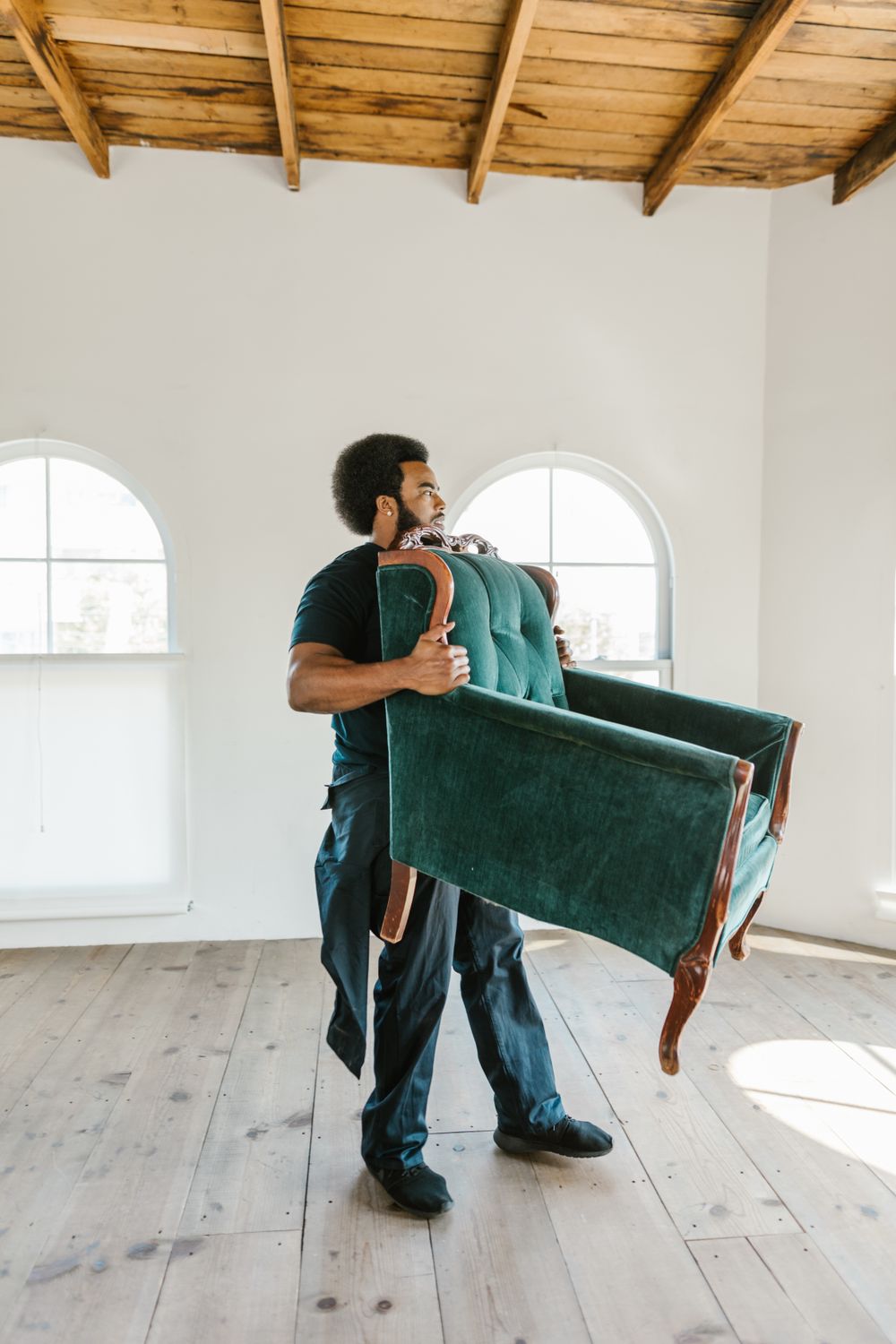
Prepare a separate essentials kit for the first few days in your new home. Include toiletries, medications, phone chargers, a change of clothes, basic tools, bedding, and simple kitchen supplies. This lets you rest and settle in without searching through dozens of boxes.
Review Your Coverage Before the Journey
Before moving day, review the difference between Full Value Protection and Released Value Protection. Released Value Protection limits the mover’s liability to 60 cents per pound per item, which may fall far short of replacement costs. Ask your mover for written details about protection options and how to declare valuable belongings.
Inspect Everything on Arrival
When your belongings reach the new home, check each item against your inventory before signing any paperwork. Look closely at furniture surfaces, corners, and legs, and open boxes marked fragile first. Note any damage in writing and take photographs right away.
Unpack one room at a time, starting with the kitchen and bedrooms so daily life can return to normal quickly. Reassemble furniture using the hardware bags you labeled earlier, and give wooden pieces a day or two to adjust to the indoor climate before placing heavy items on them.